A. Ramachandran
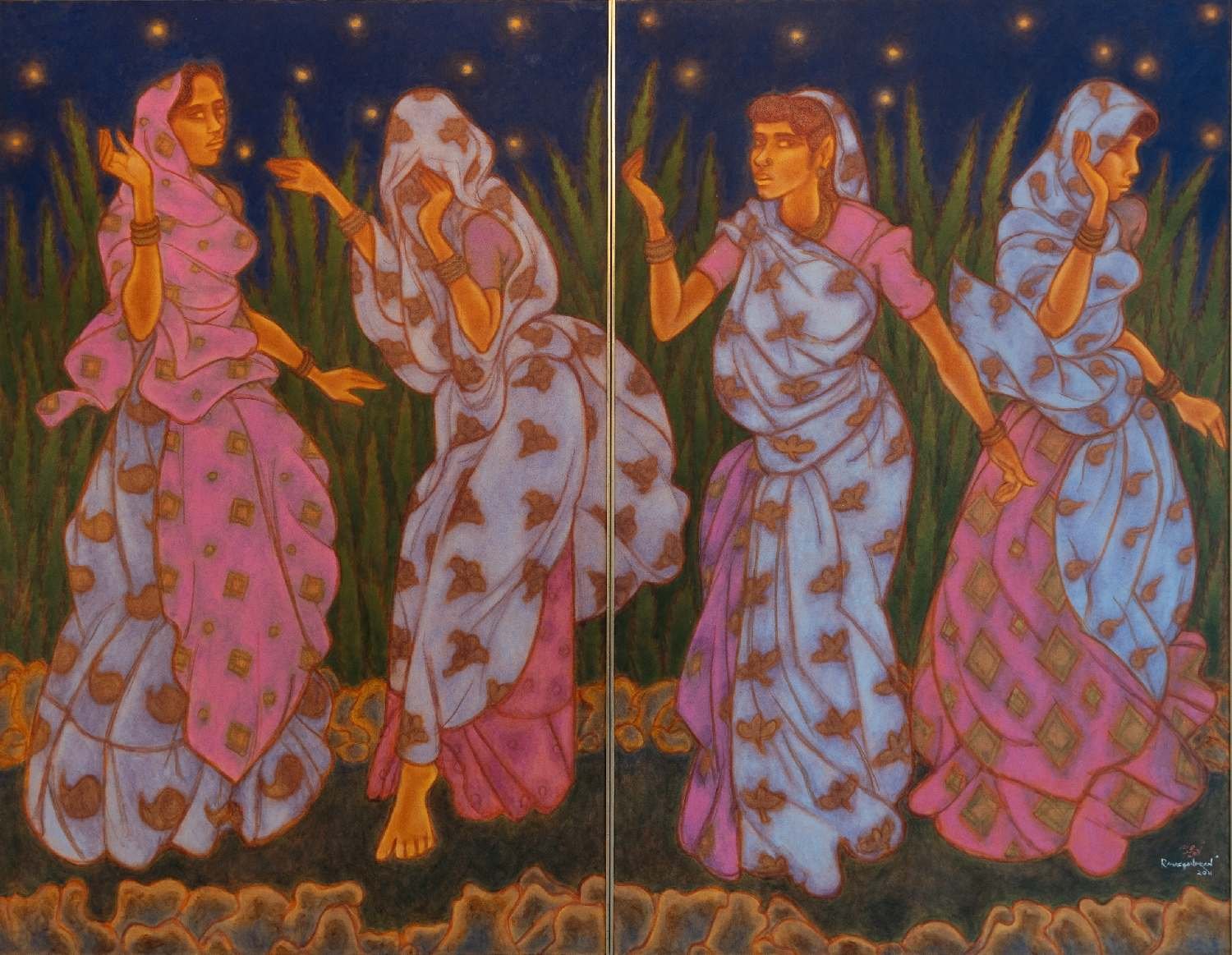
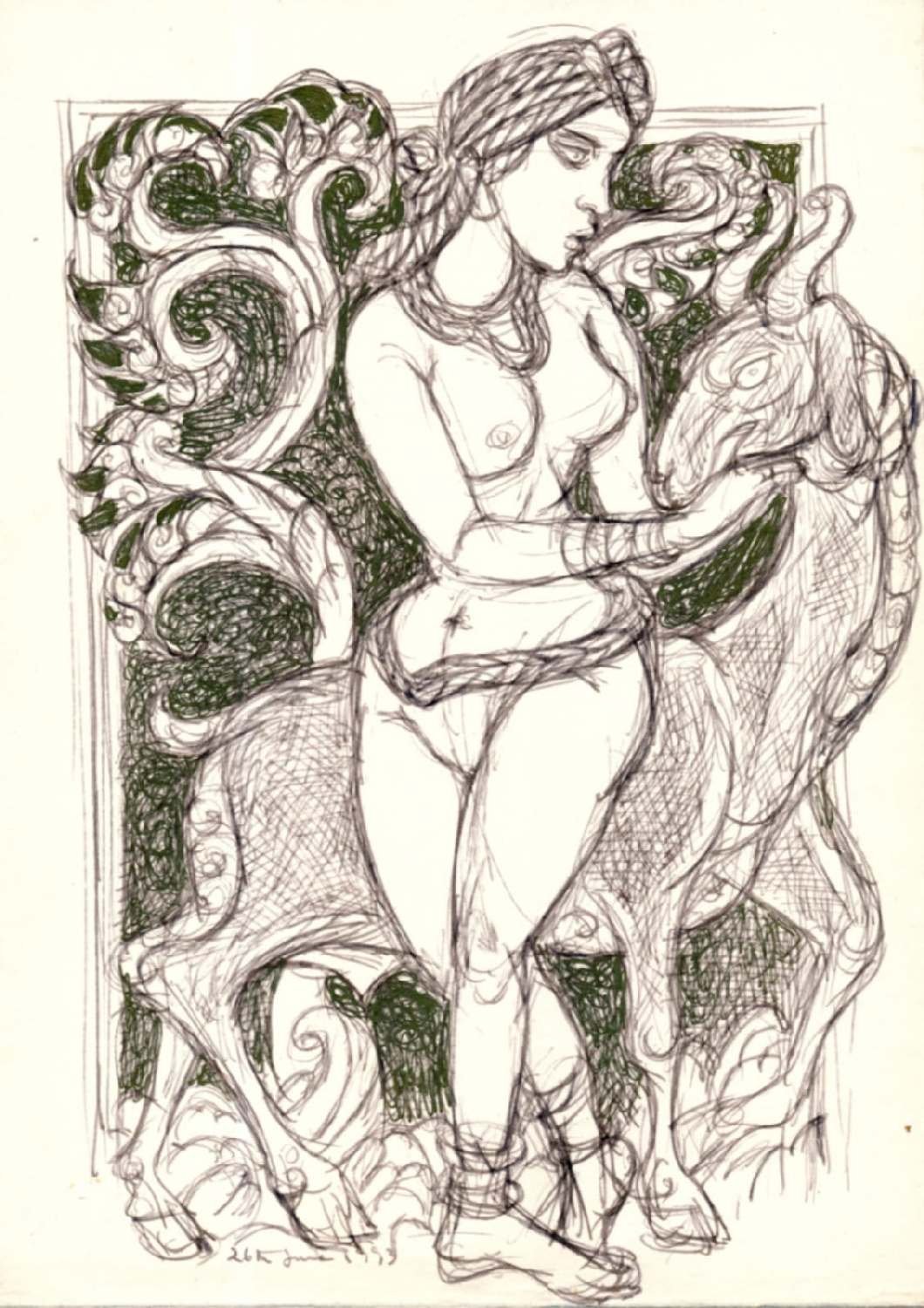
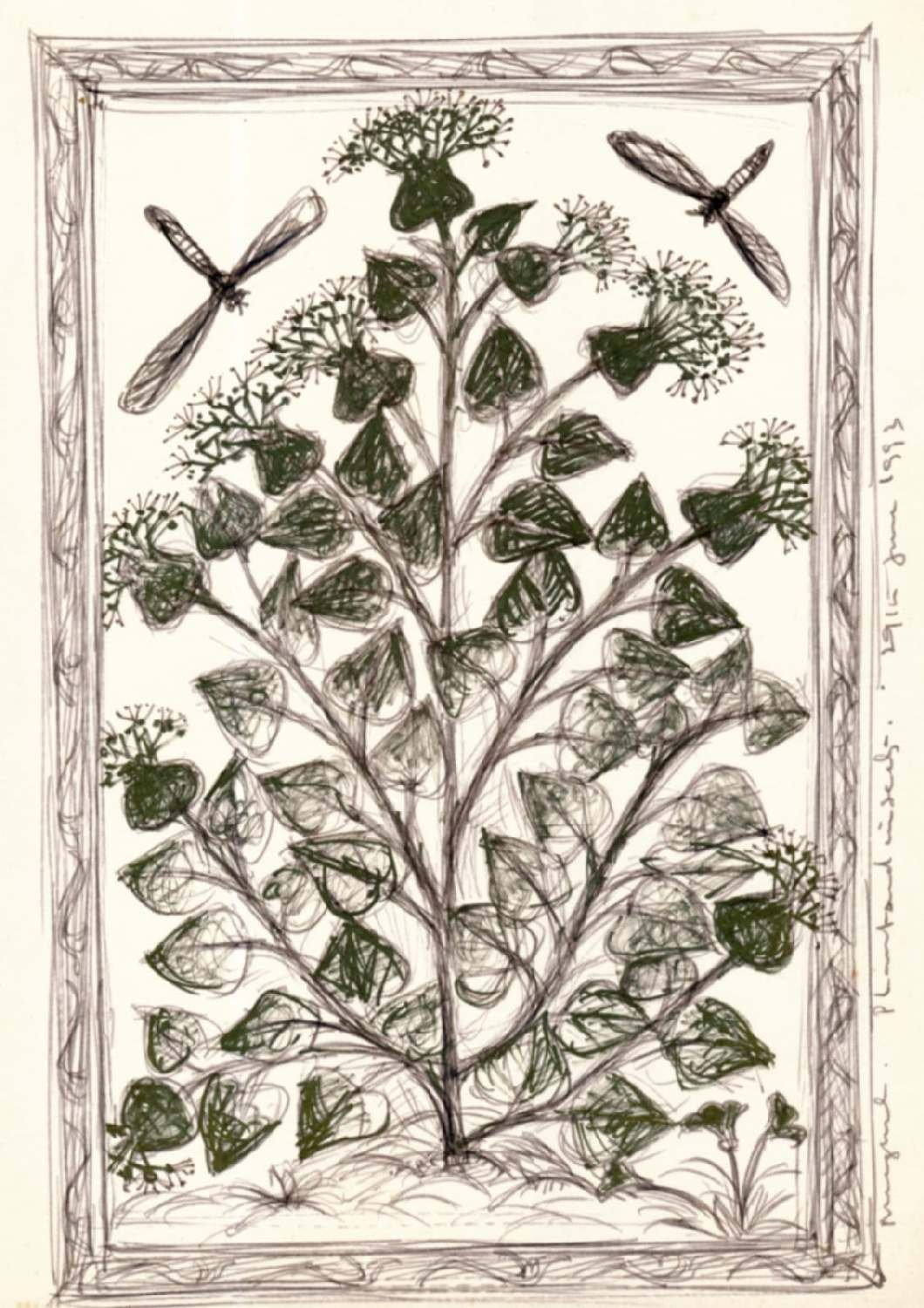
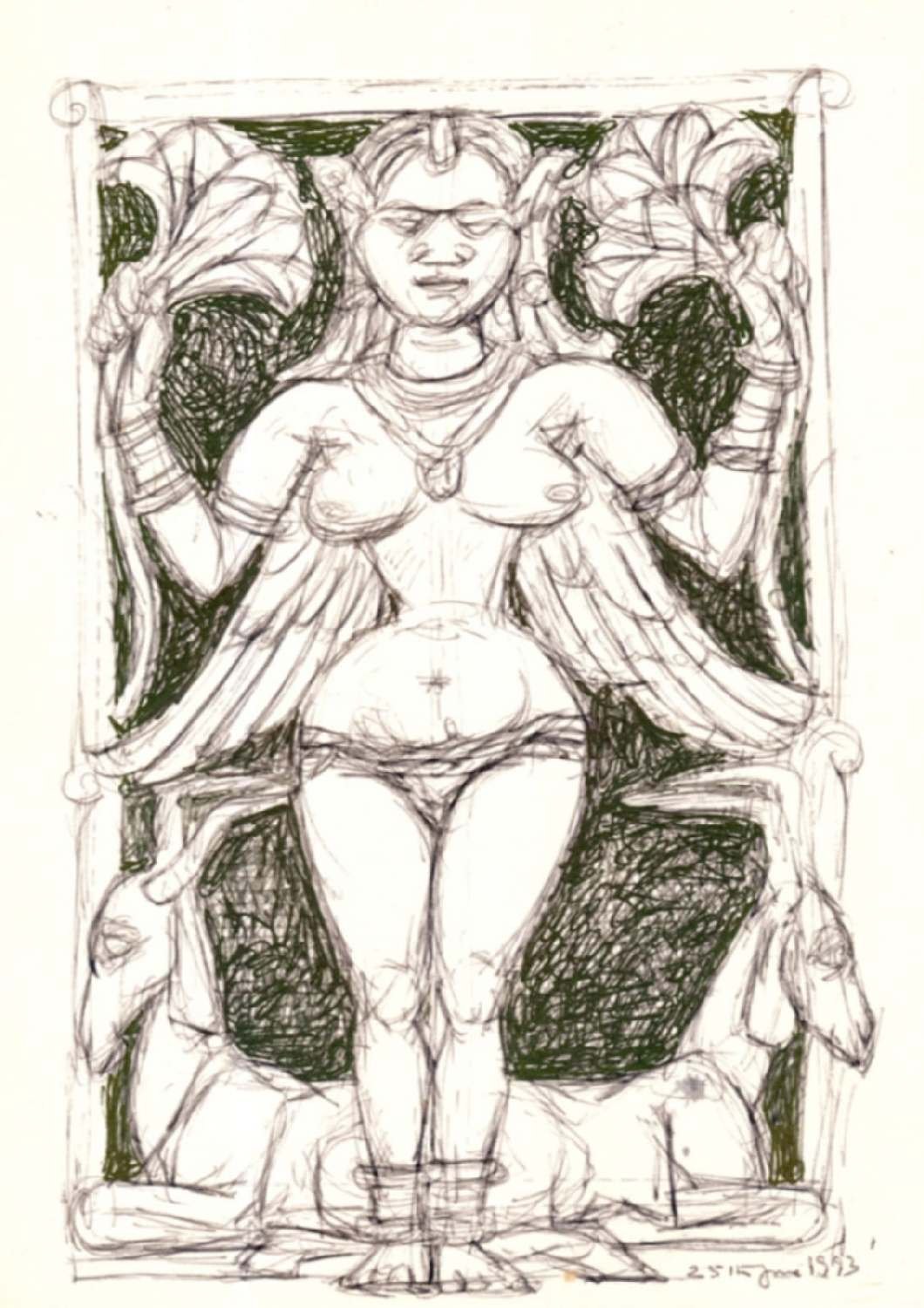
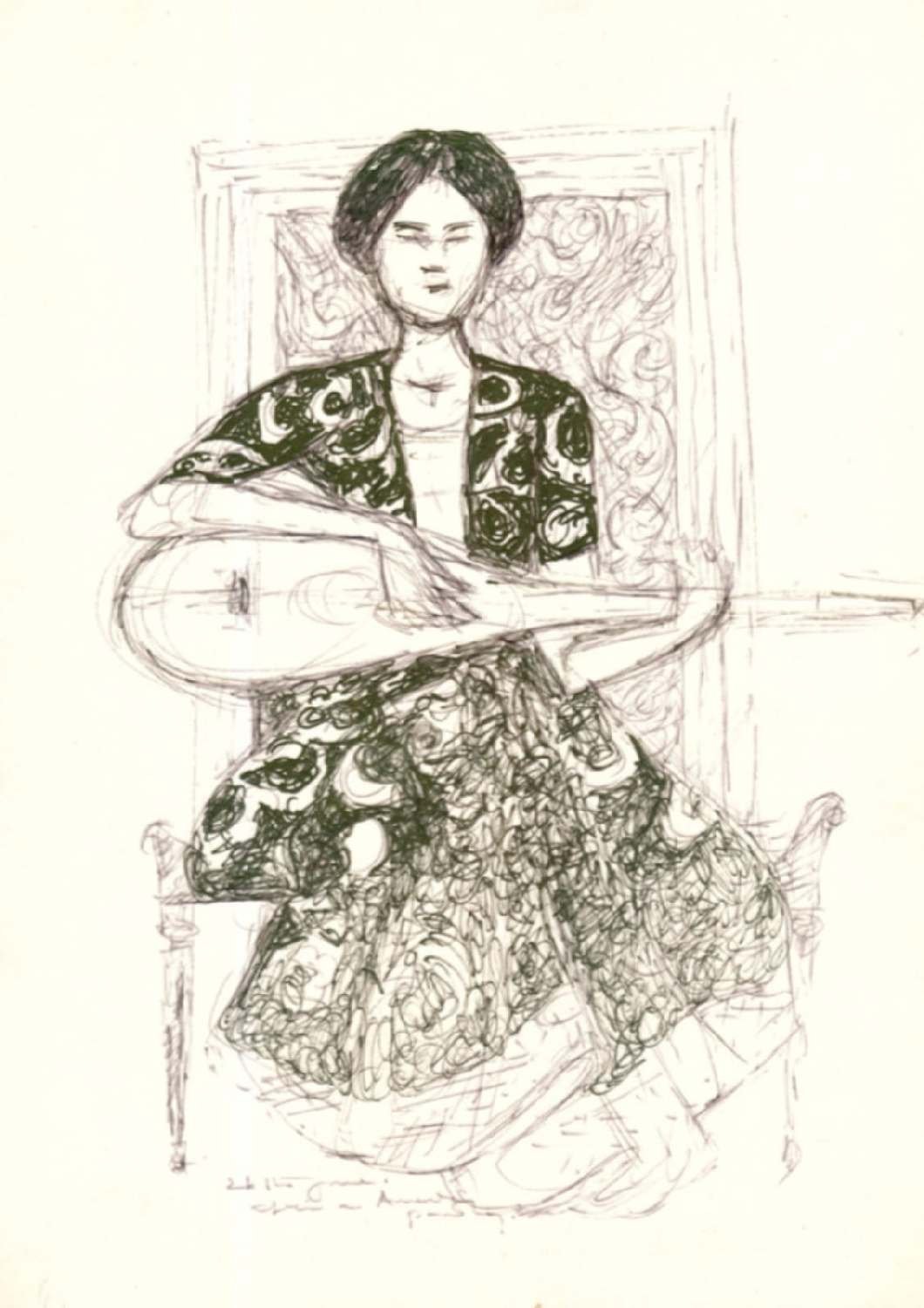
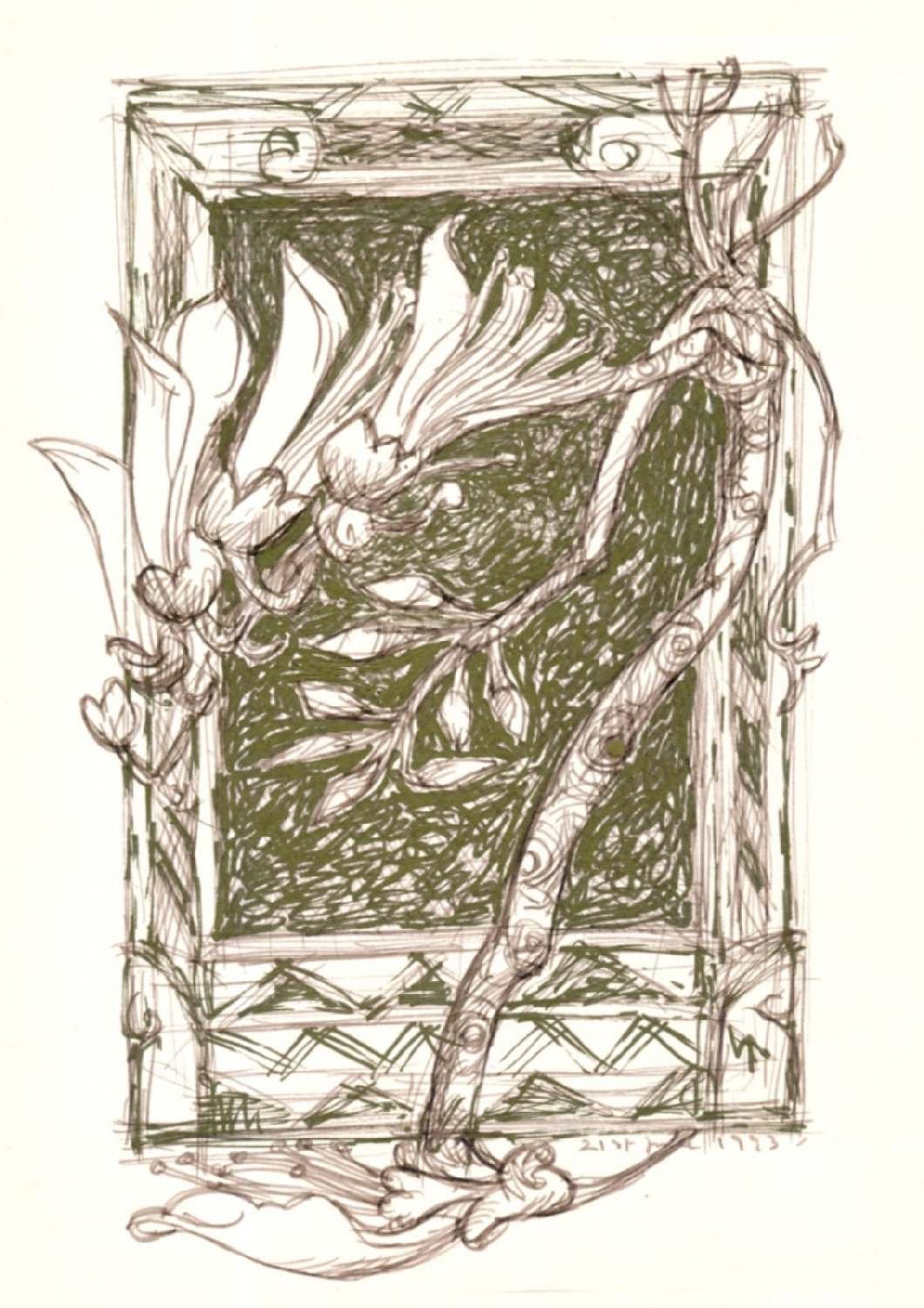
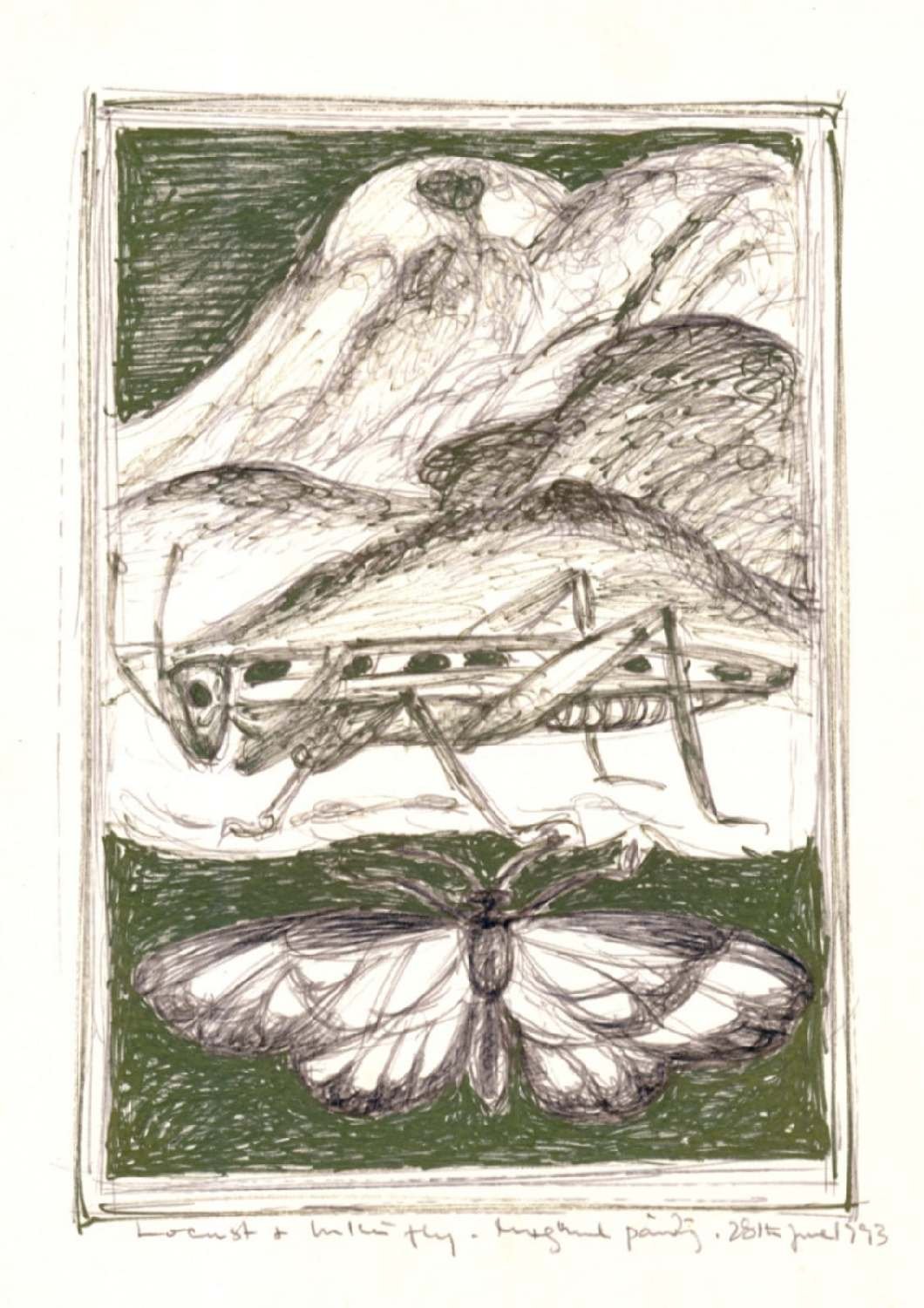
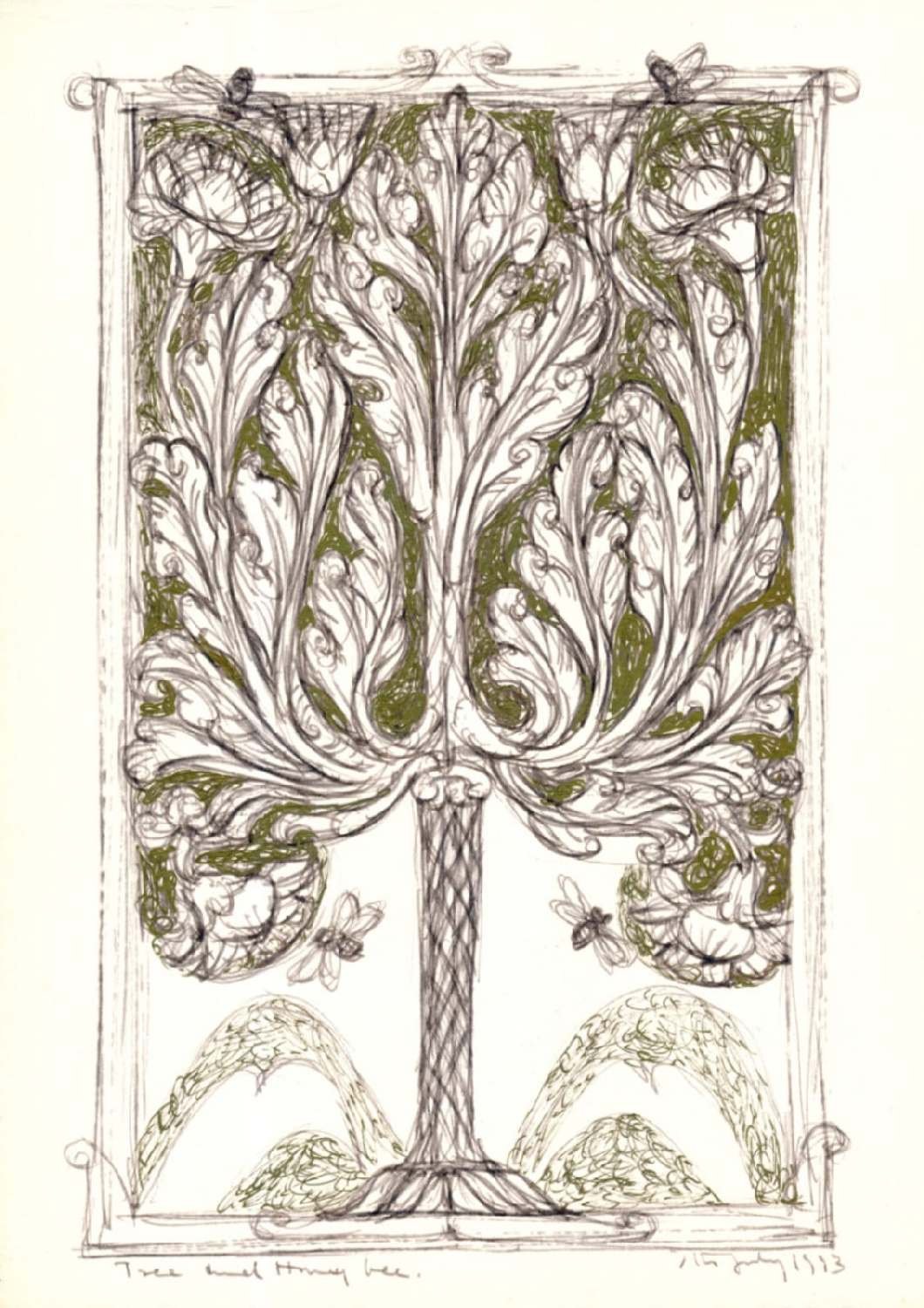
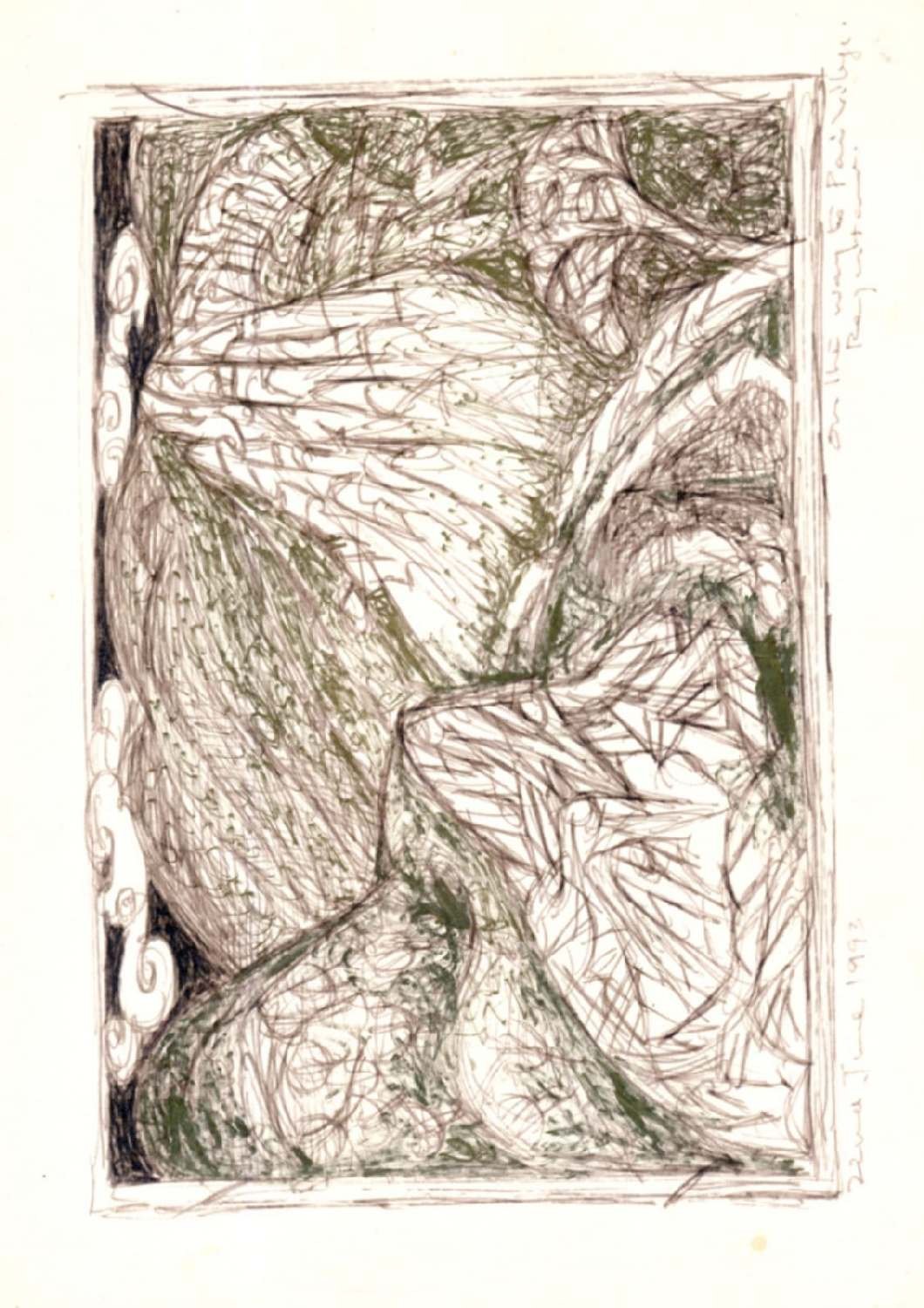
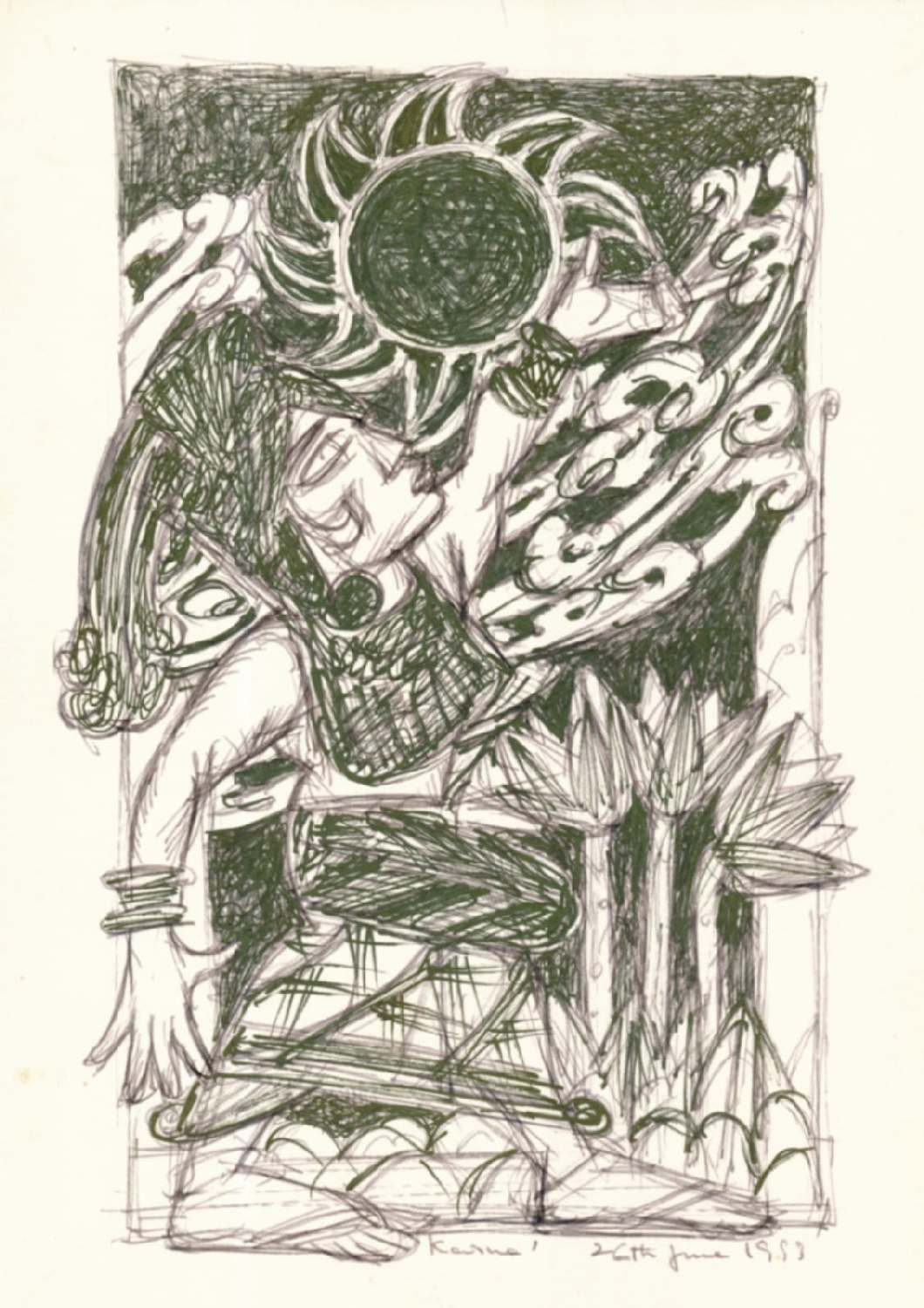
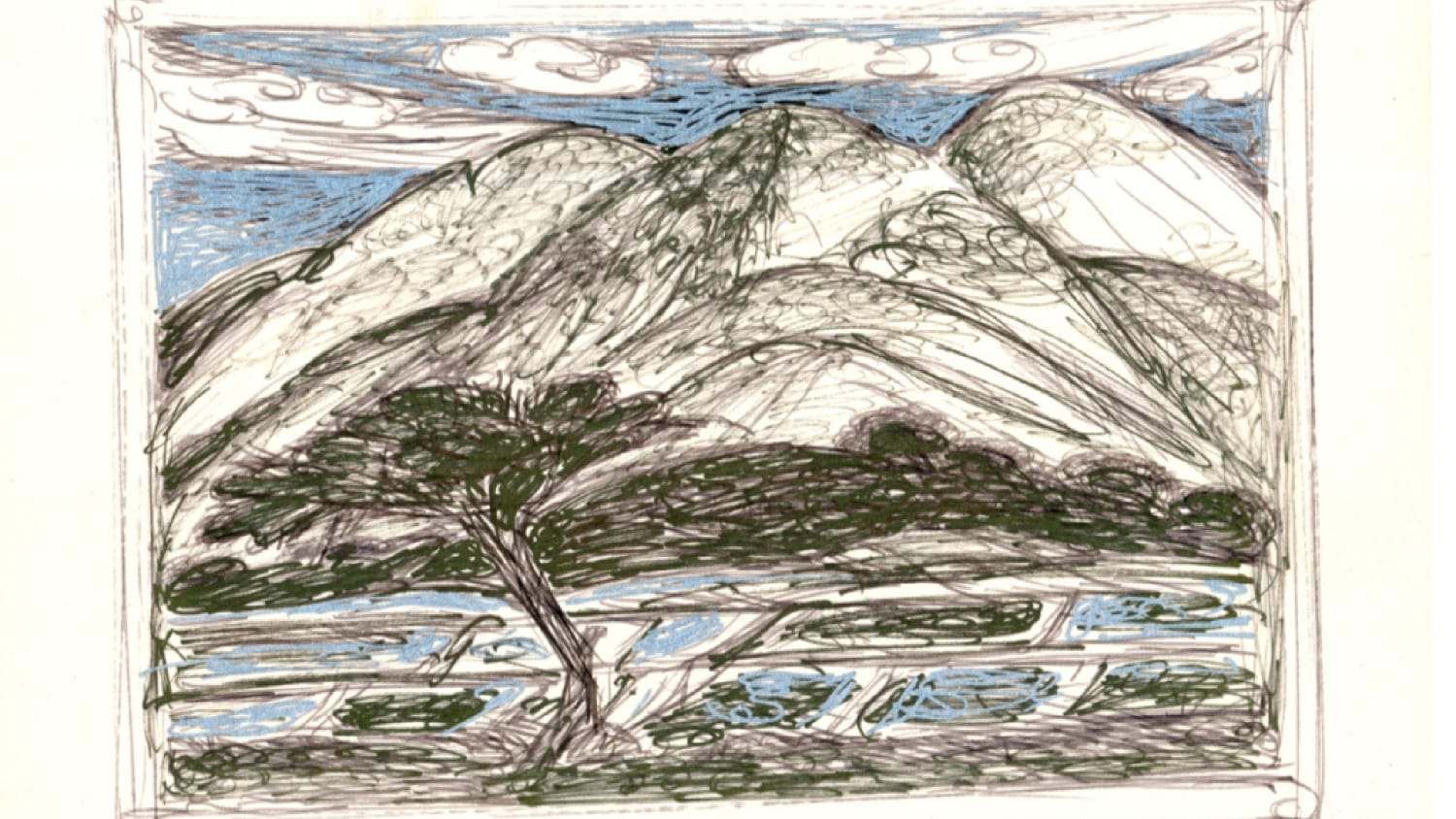
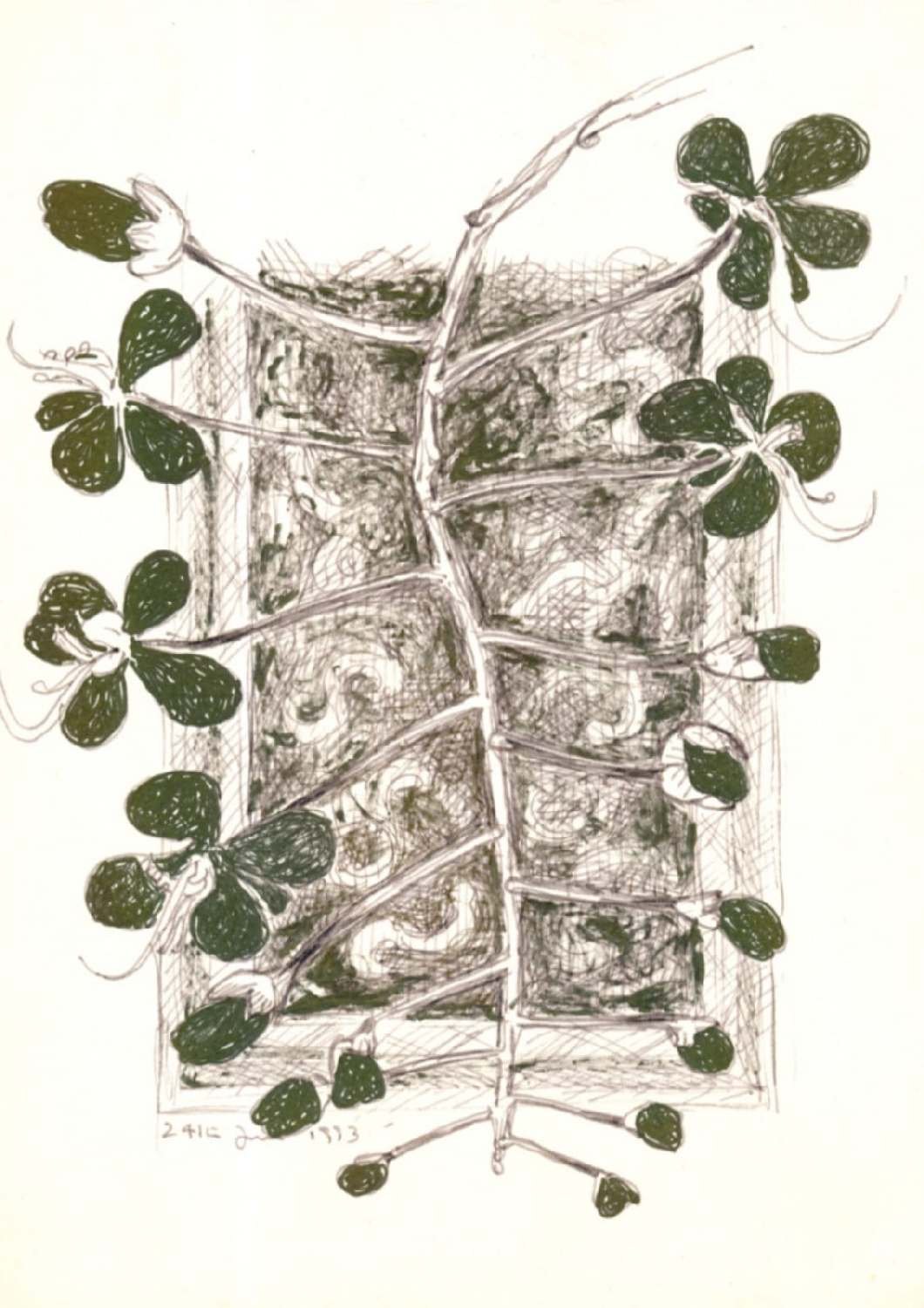
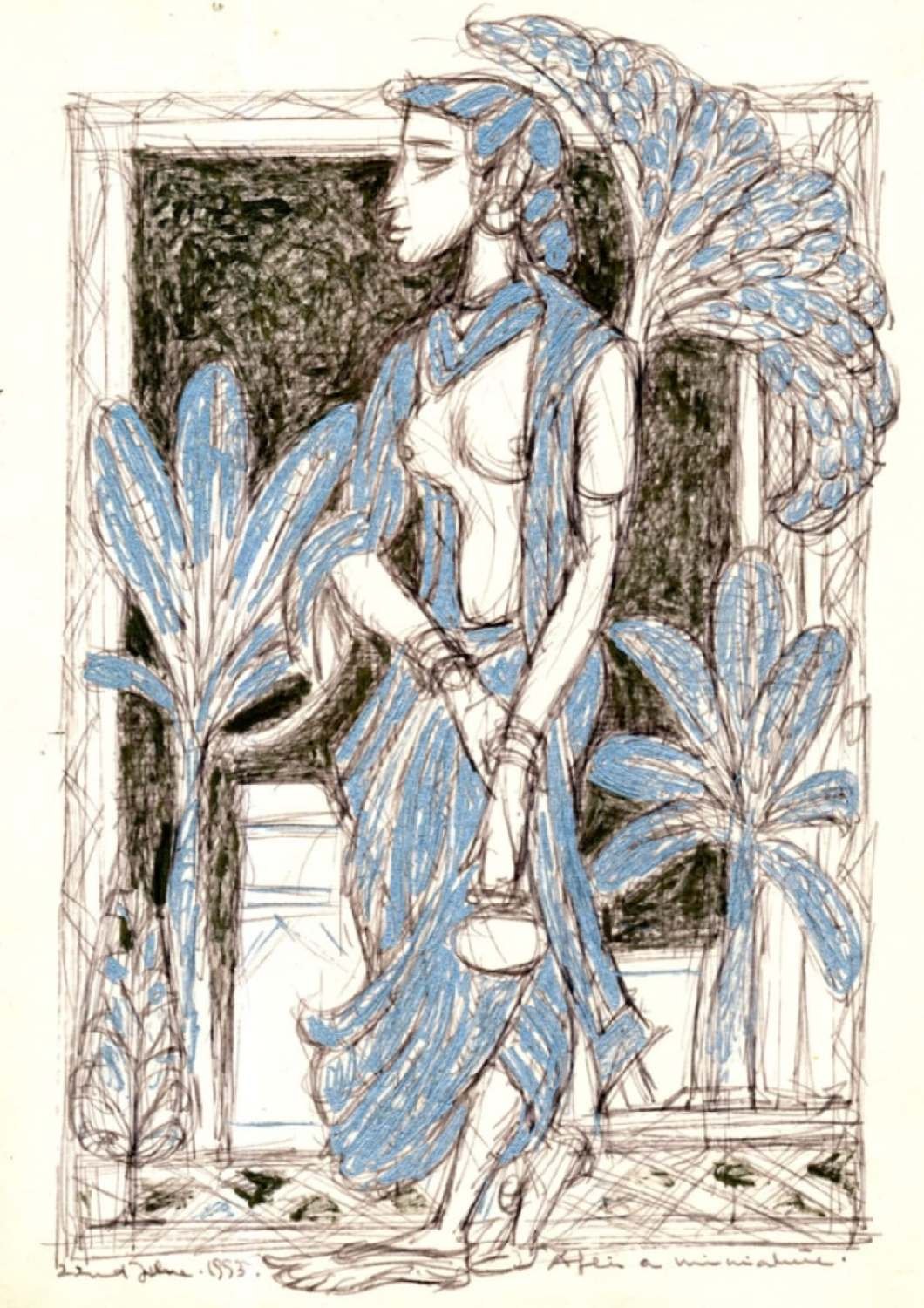
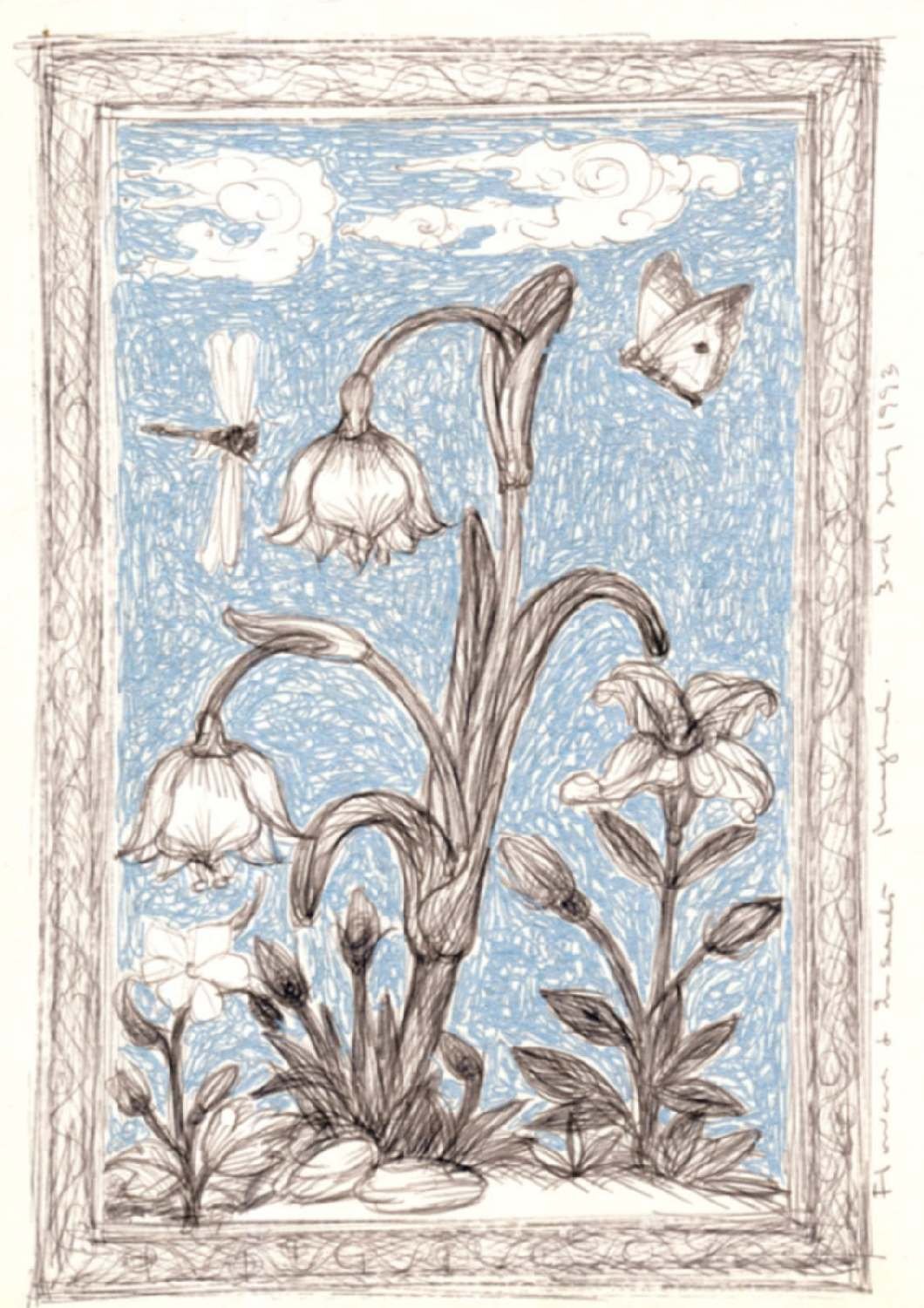
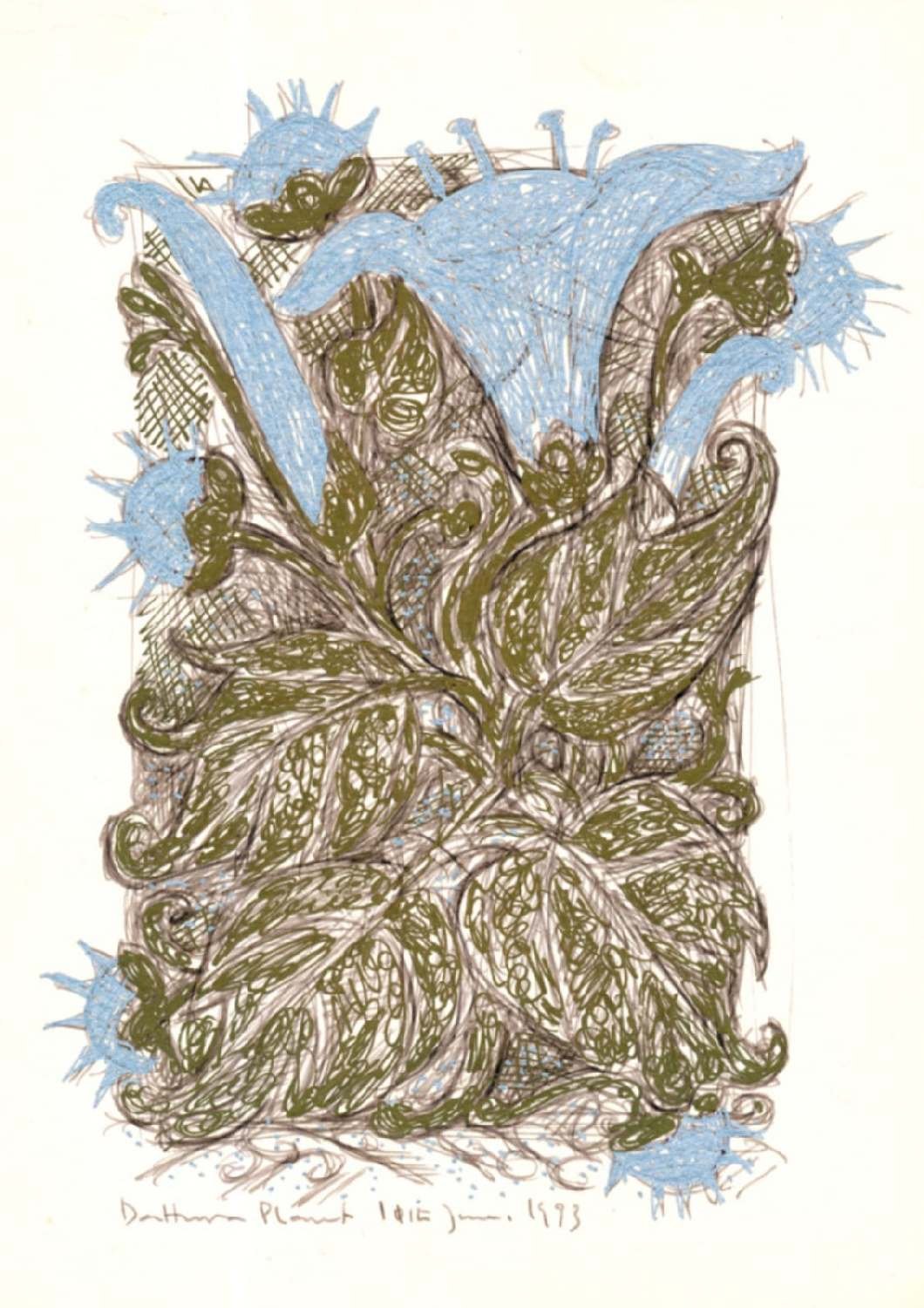
Ramachandran (1935–2024) was one of India’s most celebrated contemporary artists, whose career spanned more than five decades and explored a remarkable range of visual languages. Born in Attingal, Kerala, he earned an MA in Malayalam literature before studying art at Kala Bhavan, Santiniketan under masters including Ramkinkar Baij and Benode Behari Mukherjee. His early work engaged with expressionist depictions of urban life and human struggle, but by the 1980s his practice evolved into a vibrant celebration of nature, myth, and cultural tradition, deeply informed by Kerala temple murals and the life of tribal communities in Rajasthan.
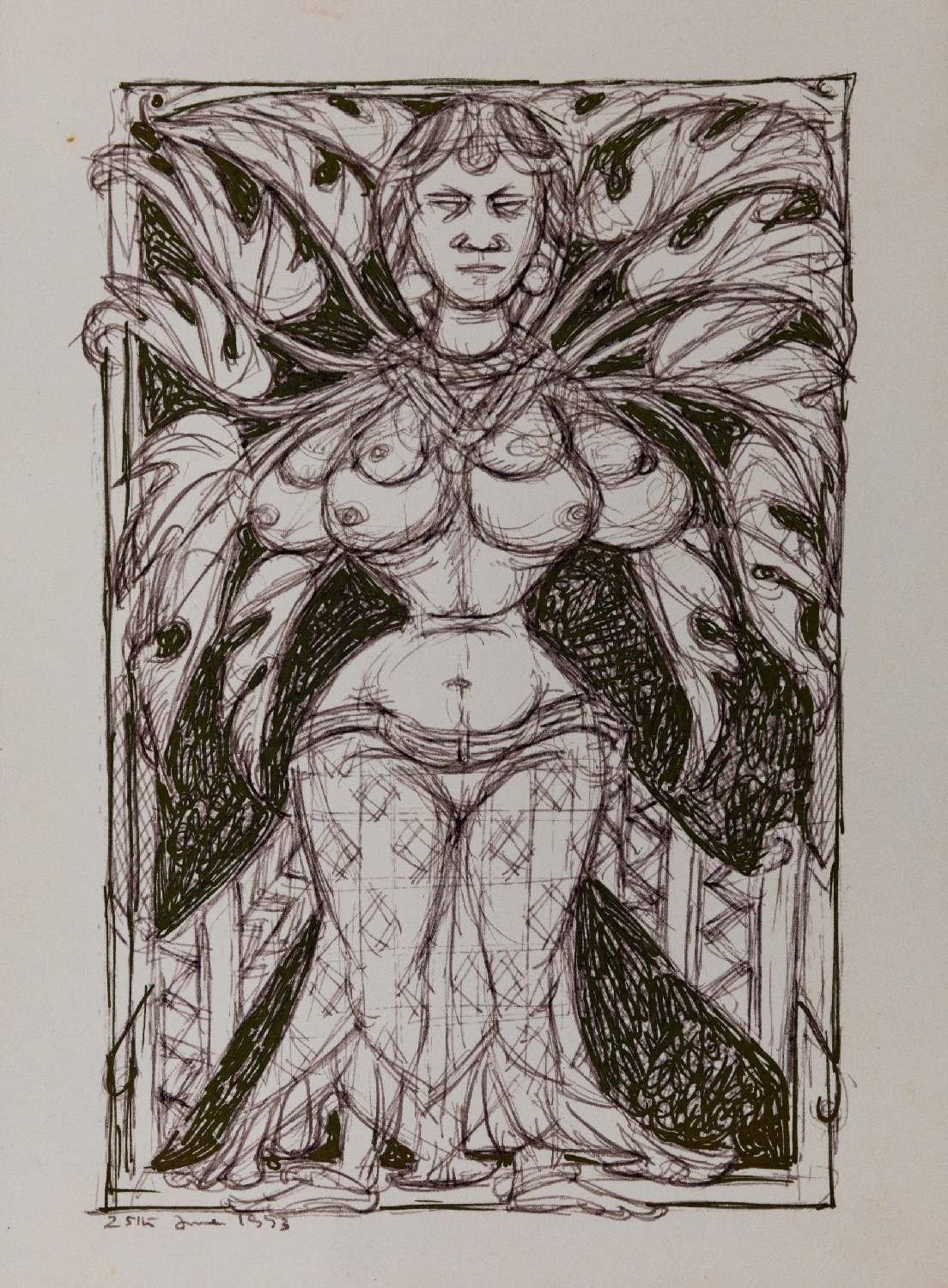
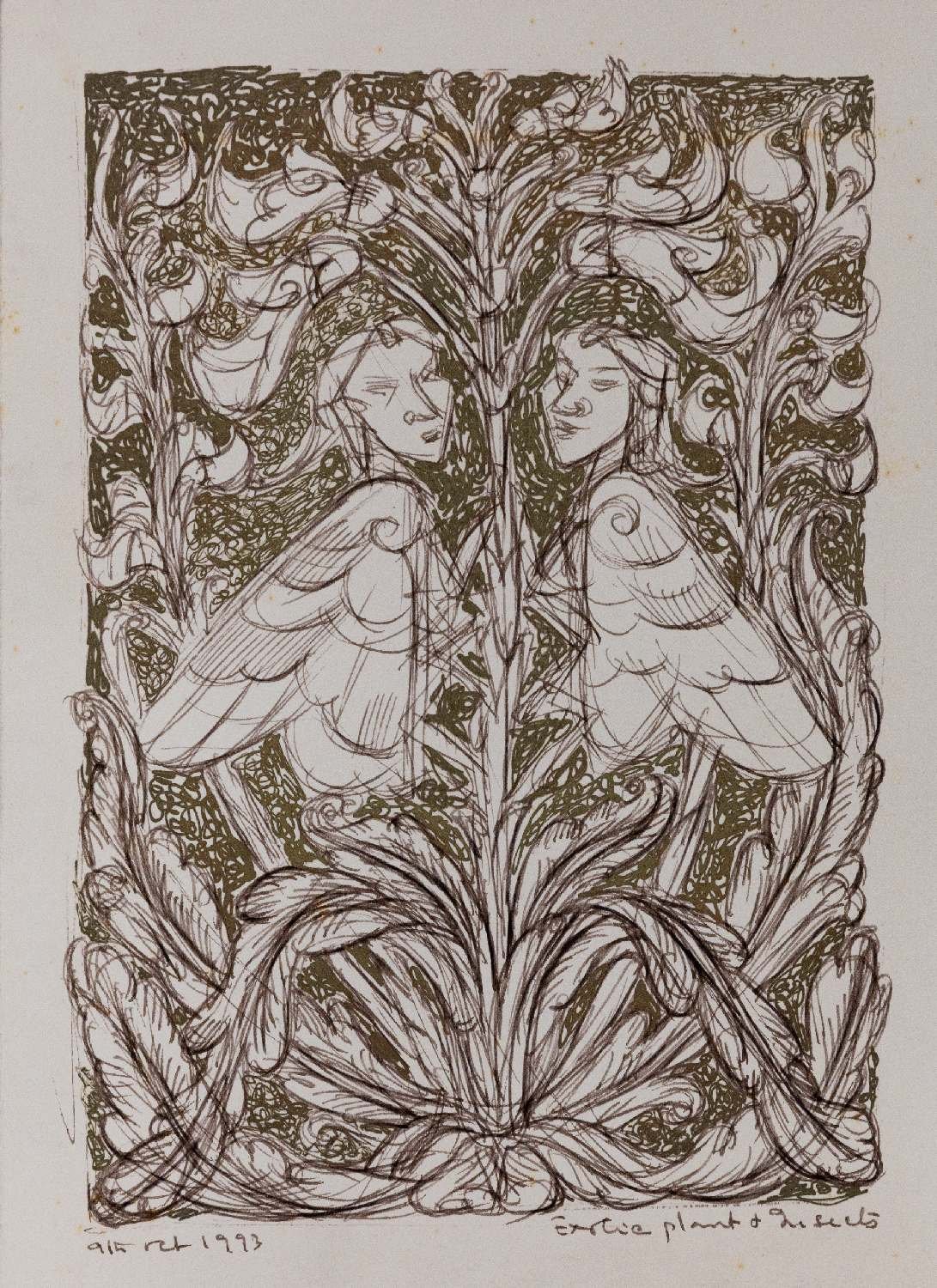
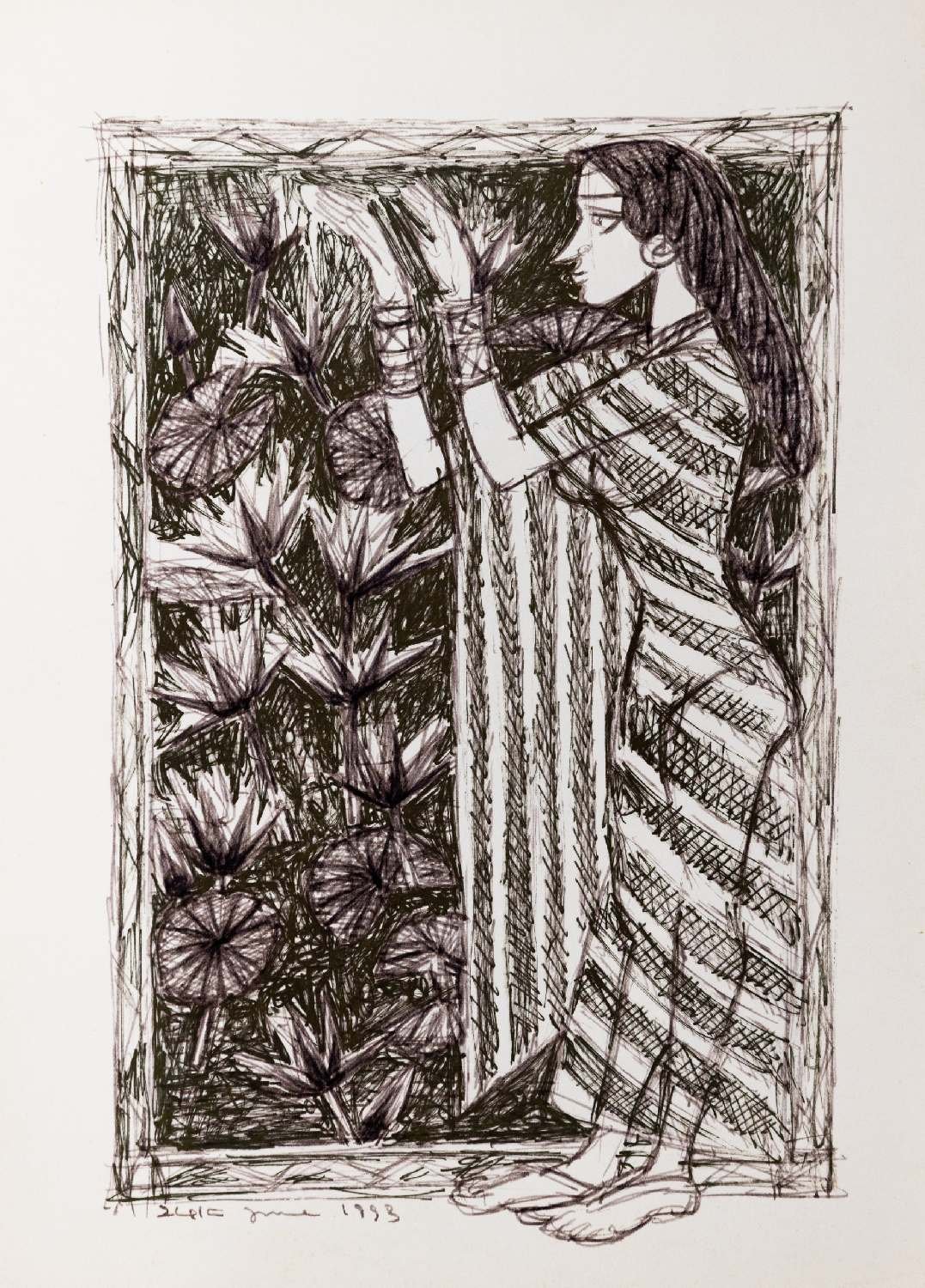
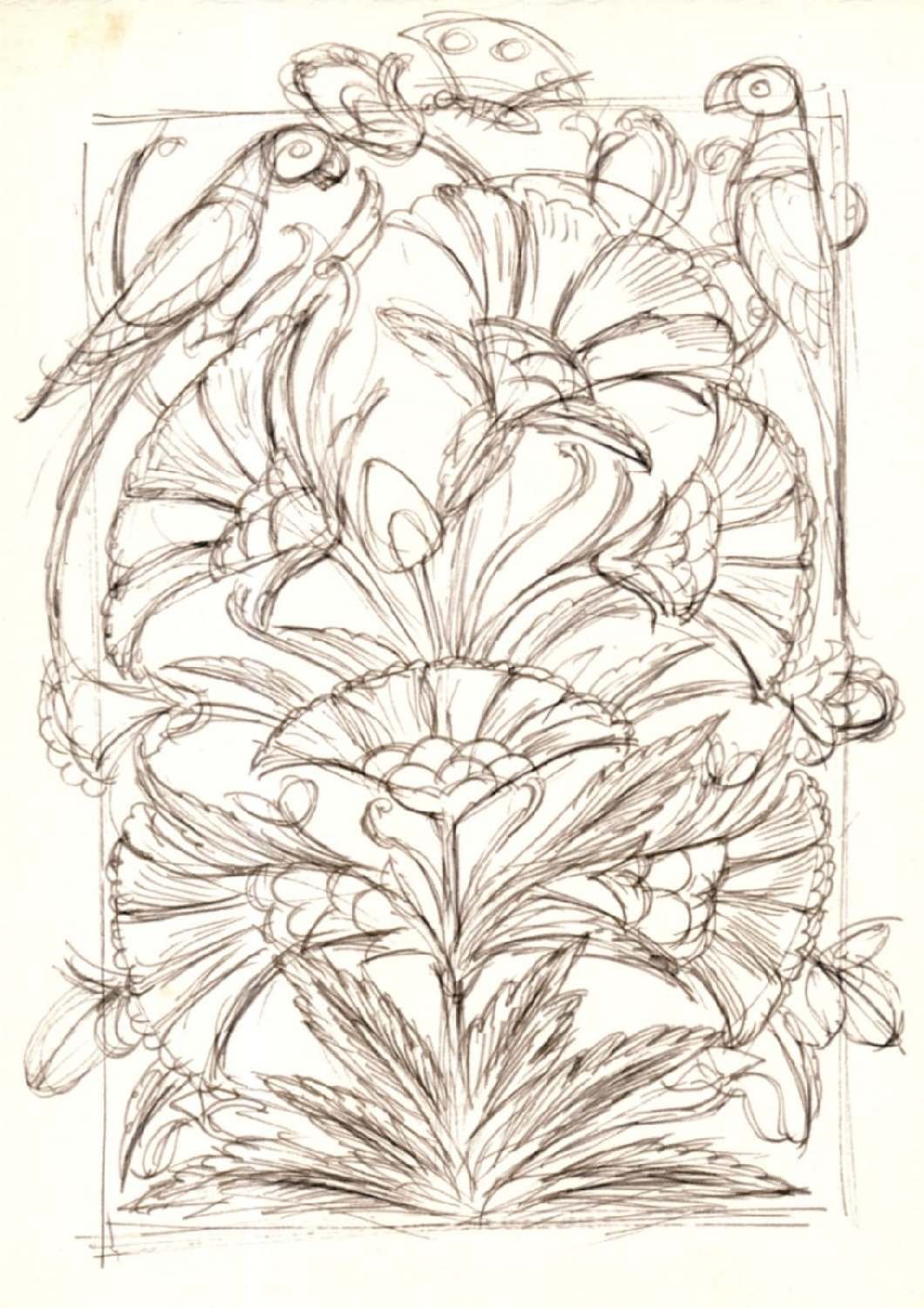
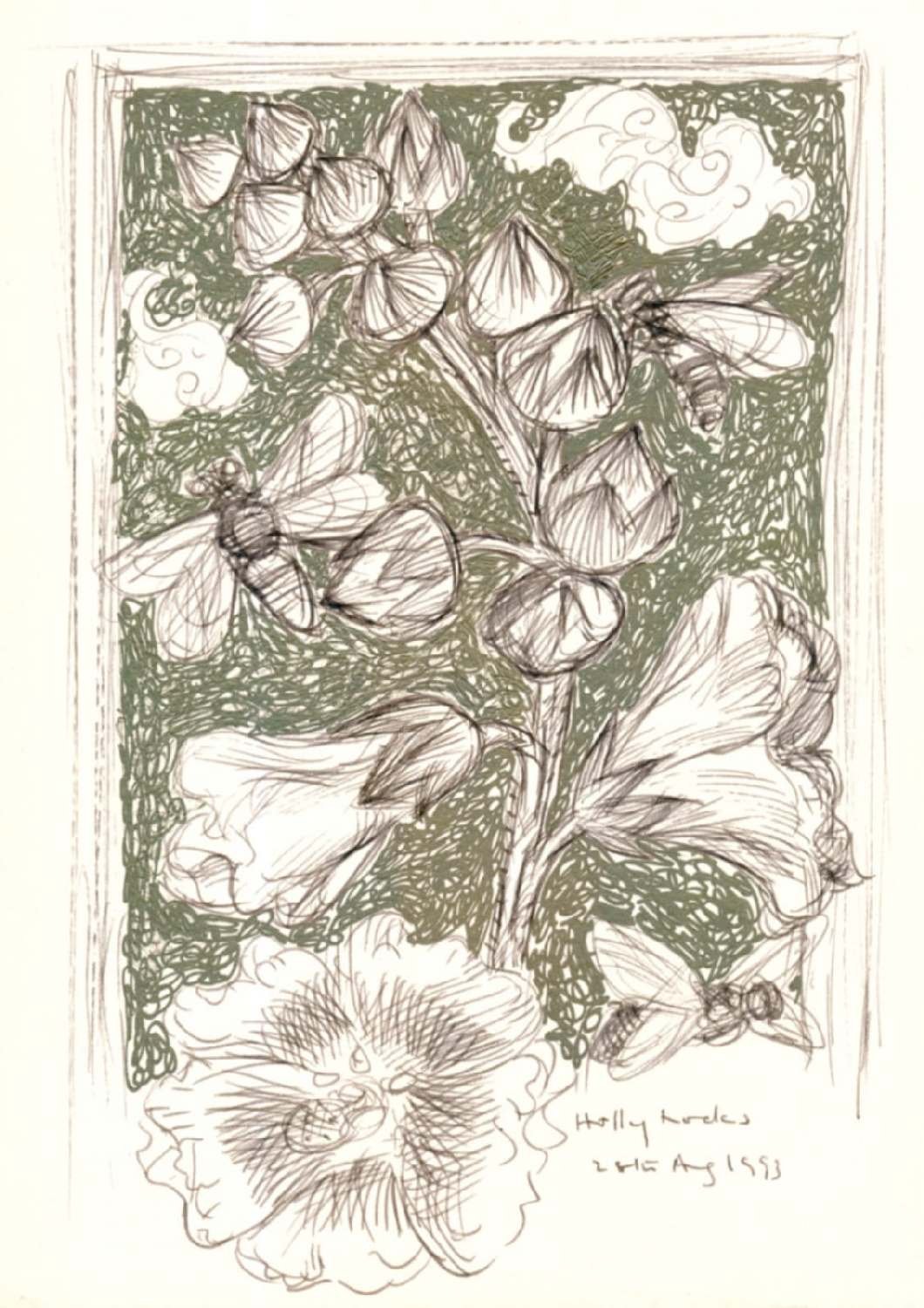
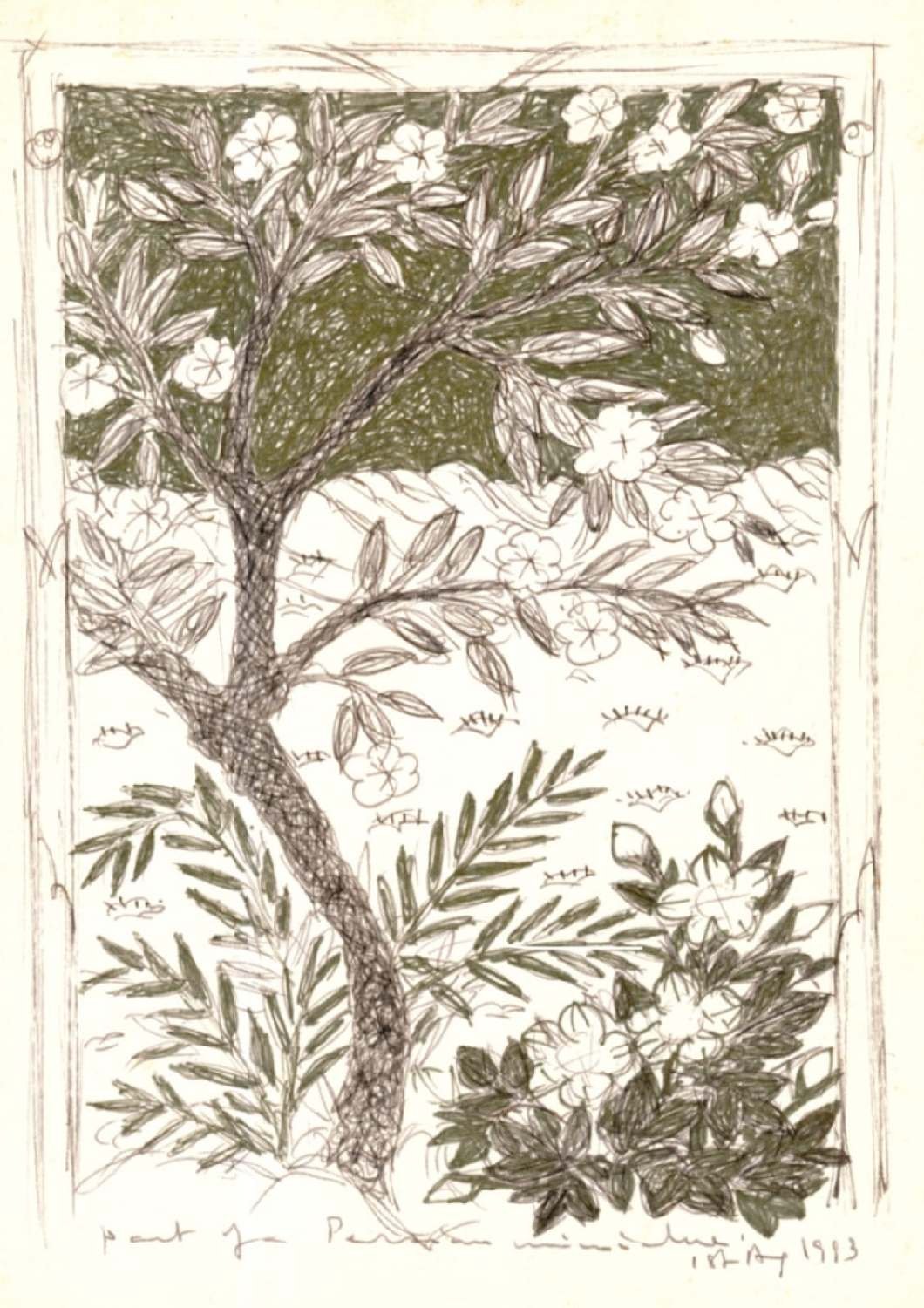
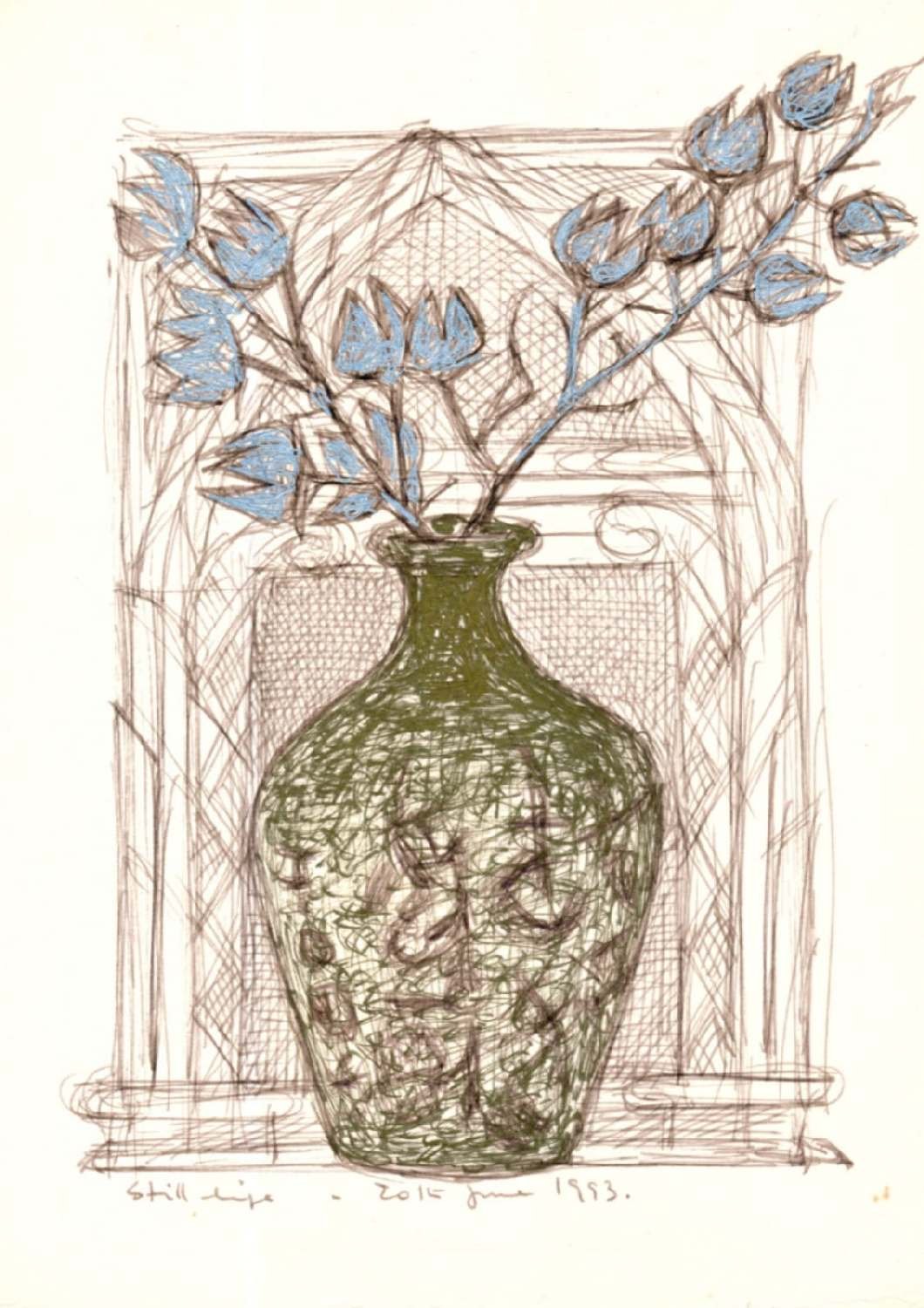
Ramachandran’s artistic oeuvre encompasses painting, drawing, sculpture, graphics, and design, distinguished by dynamic line, rich color, and complex compositions rooted in Indian aesthetics. One of his most iconic works is Yayati—a monumental mural-like series inspired by the Mahabharata—while the lotus pond became a recurring motif in his later works, reflecting his lyrical engagement with life, form, and nature.
A respected educator and cultural figure, he taught at Jamia Millia Islamia in New Delhi for nearly three decades, served as Honorary Chairman of the Kerala Lalithakala Akademi, and was elected a Fellow of the Lalit Kala Akademi. In 2005 he was awarded the Padma Bhushan, India’s third highest civilian honor, and in 2013 received an honorary doctorate from Mahatma Gandhi University, Kerala. His work has been exhibited widely at major institutions, including the National Gallery of Modern Art (New Delhi), Lalit Kala Akademi (Kochi), Cleveland Museum of Art (USA), National Museum of Modern and Contemporary Art (Seoul), and the Museum of Modern Art (Tokyo).
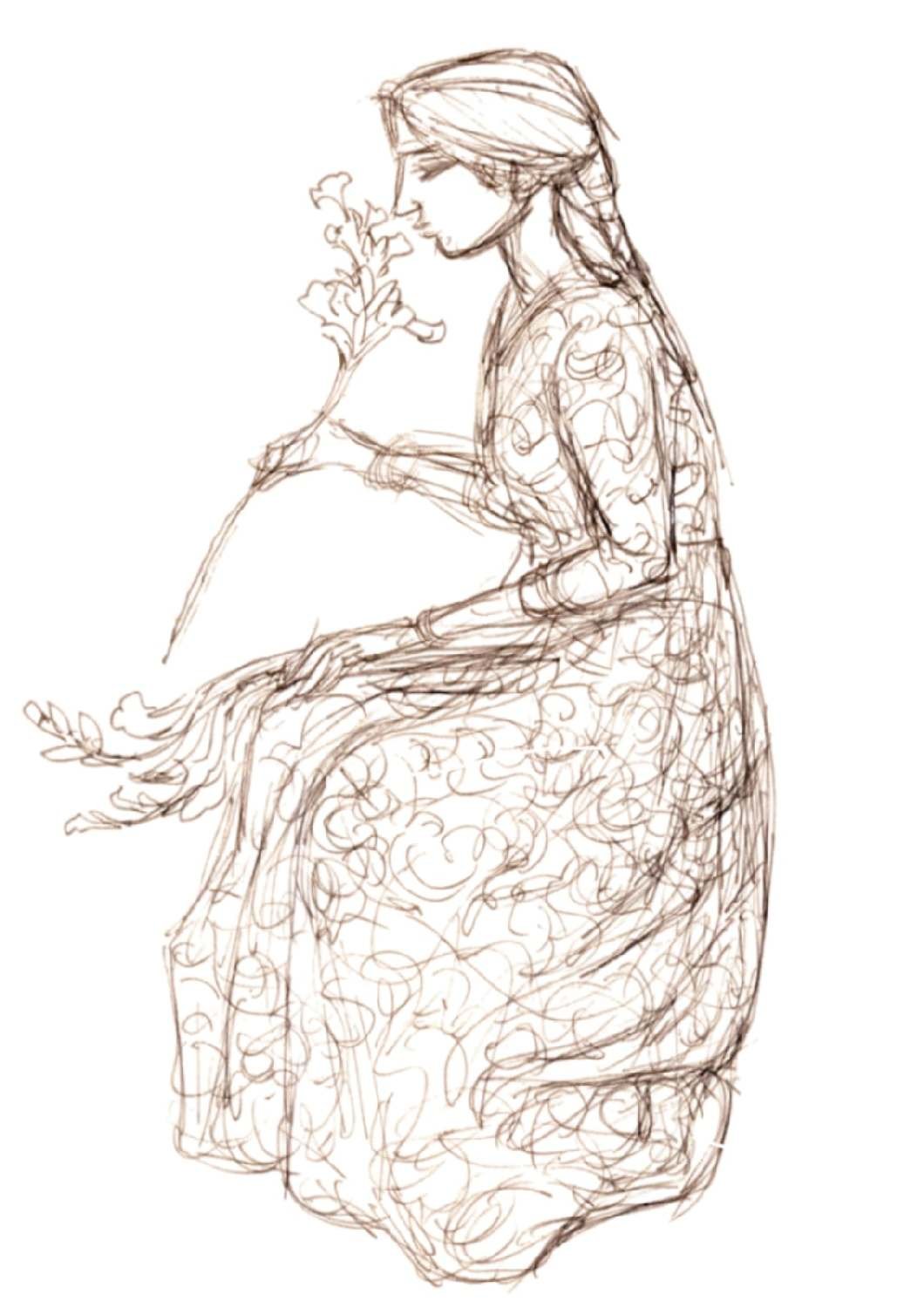
Beyond his paintings and murals, Ramachandran was also a prolific illustrator and author, creating children’s books published internationally, and his illustrations are part of permanent displays abroad. His legacy continues through the A. Ramachandran Museum in Kollam, Kerala, which celebrates the full arc of his visionary practice.