Contemporary Indian Art
Contemporary Indian art is a constantly evolving conversation between India's past, present, and future. It reflects the country's changing social landscape, cultural identities, personal experiences, global influences, and the individual perspectives of artists working today.
At Tara Art, we curate and present Indian contemporary art that goes beyond decoration. Our collection brings together original works by established and emerging Indian artists whose practices explore different ideas, materials, techniques, and ways of seeing the world.
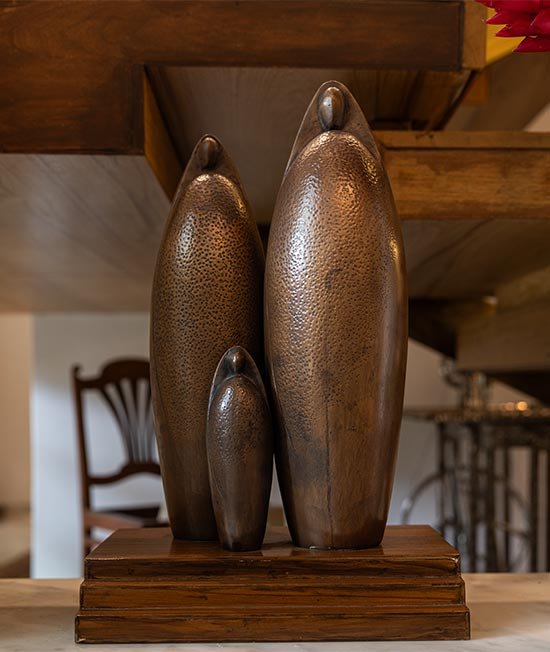
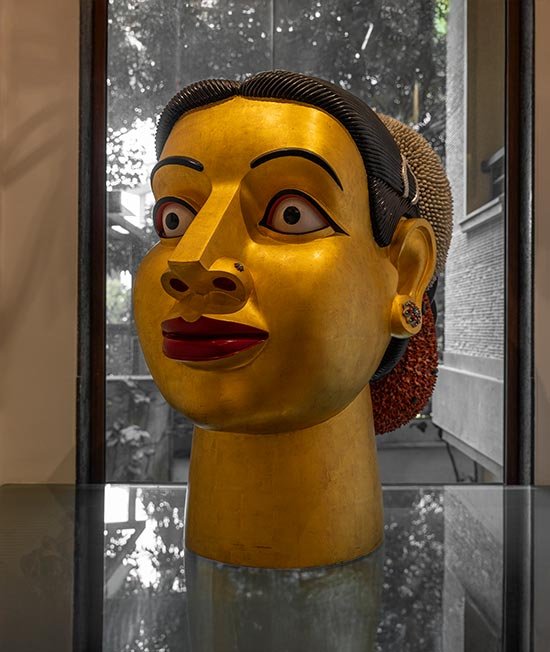
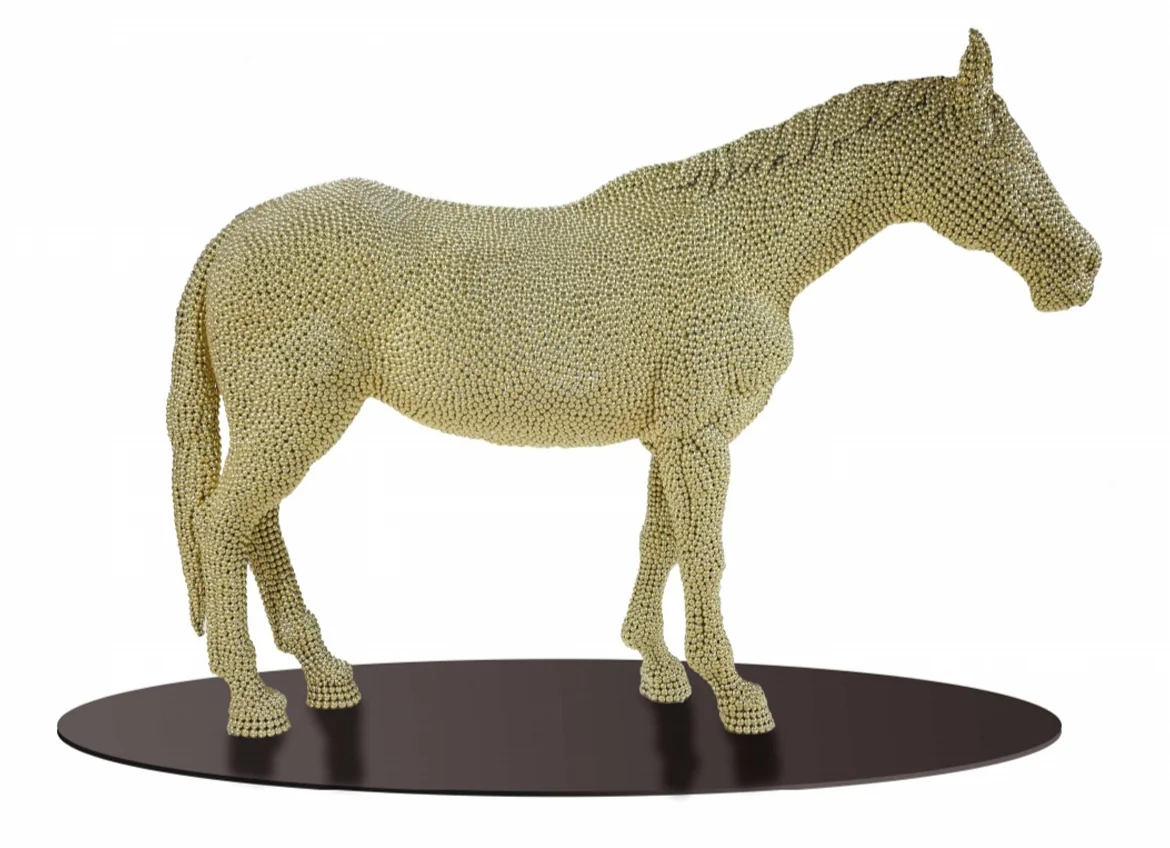
From painting and sculpture to mixed media, conceptual practices, figurative works, abstraction, and experimental approaches, contemporary art in India today is remarkably diverse.
Explore our collection of contemporary Indian artists and discover original artworks selected for collectors, art enthusiasts, institutions, and anyone looking to build a meaningful relationship with Indian art.
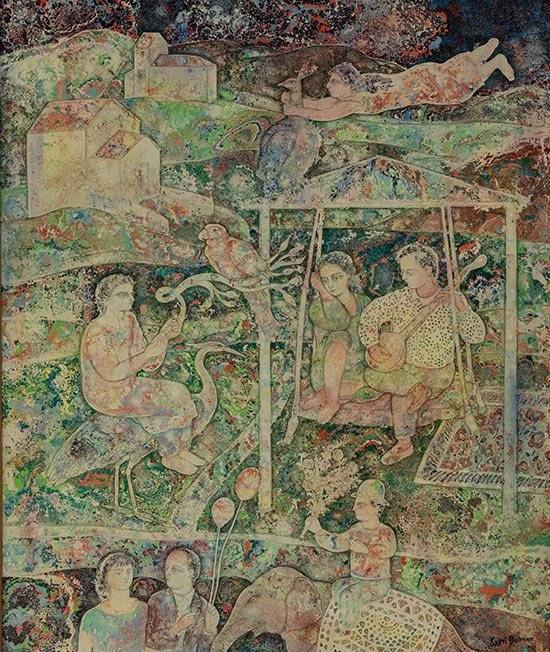
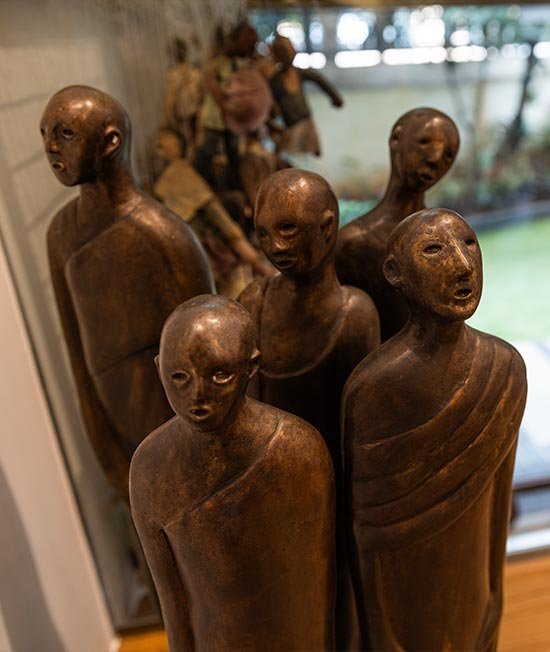
What Is Contemporary Indian Art?
Contemporary Indian art refers broadly to art created by artists working in the present period, particularly those responding to the cultural, social, political, technological, and personal realities of contemporary India and the wider world.
Unlike a single artistic movement, contemporary Indian art encompasses many different approaches. Artists may draw from India's classical traditions, folk cultures, mythology, literature, popular culture, urban life, technology, or global artistic practices while developing highly individual visual languages.
This diversity is one of the defining characteristics of contemporary art in India.
A contemporary Indian artist might reinterpret traditional imagery through a modern lens, investigate questions of identity and memory, experiment with new media, create abstract compositions, explore environmental concerns, or use everyday experiences as the foundation for a larger artistic narrative.
As a result, there is no single style that defines contemporary artworks.
It is better understood as a broad and continually changing field of artistic practices connected by the artists' engagement with the world around them.
The Evolution of Contemporary Indian Art
Indian art has a long and complex history, encompassing classical traditions, miniature painting, folk and tribal practices, colonial-era influences, and the development of modern Indian art in the twentieth century.
Indian art developed from this rich history while increasingly engaging with international art movements and changing social realities.
Institutions such as the National Gallery of Modern Art (NGMA), India's premier institution for modern and contemporary Indian art, provide important context for understanding this evolution.
Indian artists working today often move freely between local and global references. Traditional visual languages may coexist with contemporary painting techniques, digital technology, installation, photography, sculpture, or mixed media.
This relationship between heritage and experimentation gives contemporary Indian paintings much of its distinctive character.
For collectors, this makes the Indian contemporary art scene particularly interesting. Artists are not simply repeating historical traditions. They are interpreting, questioning, transforming, and sometimes challenging them.
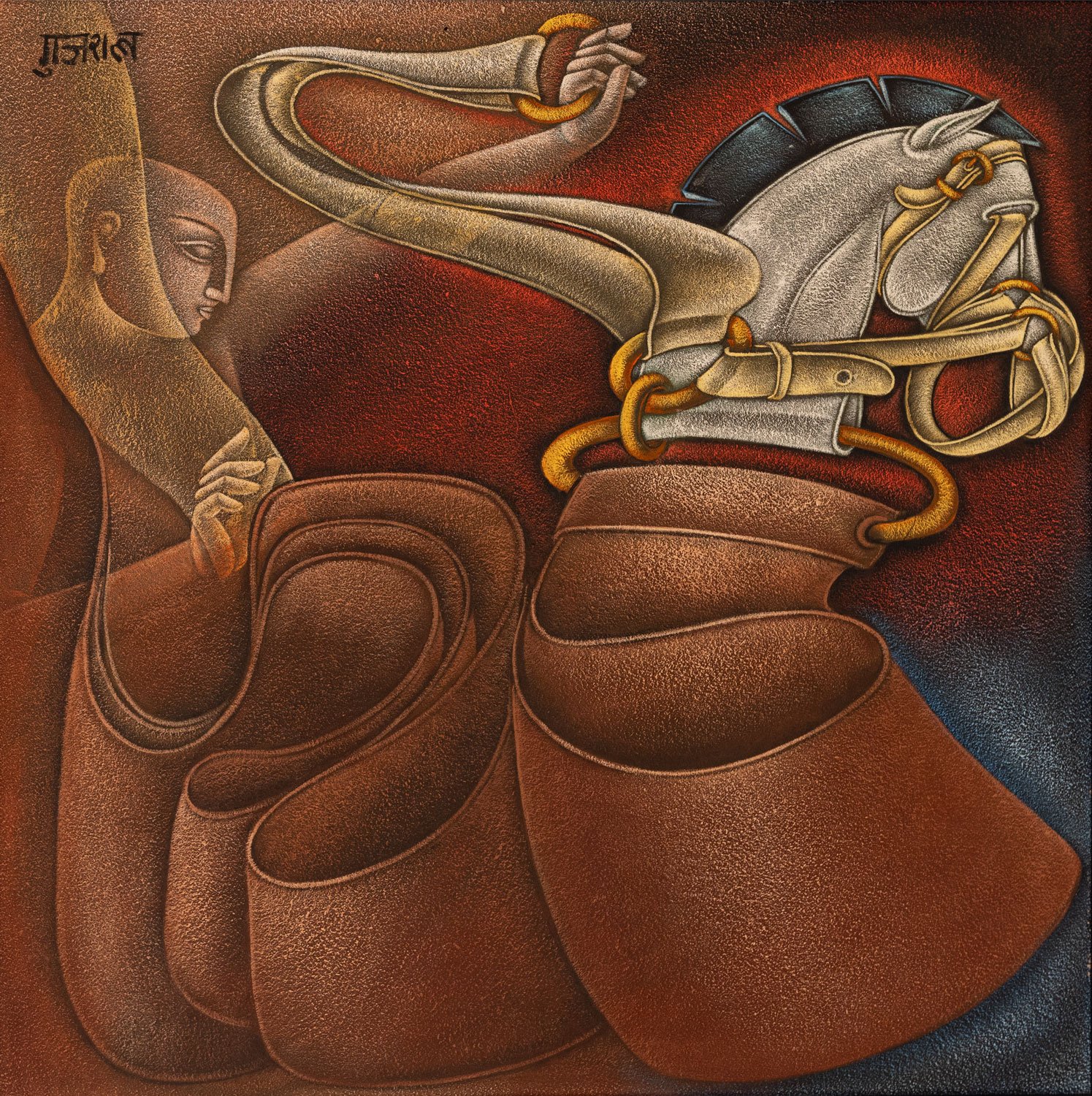
Contemporary Indian Artists
The strength of contemporary painting lies ultimately in its artists.
Tara Art works with artists whose practices demonstrate distinctive ideas, technical ability, and individual artistic voices. Our featured artists represent different generations, regions, mediums, and approaches to contemporary art.
Some artists explore mythology and cultural memory. Others examine contemporary life, human relationships, identity, technology, politics, nature, or the rapidly changing Indian urban landscape.
Artists may work in painting, sculpture, drawing, mixed media, digital practices, or other forms of contemporary expression.
Discover Featured Contemporary Indian Artists
Explore the work and artistic practices of artists represented by Tara Art.
Our artist profiles provide more than a name and a collection of artworks. They offer insight into each artist's background, education, exhibitions, influences, artistic practice, and contribution to contemporary Indian artists.
Contemporary Indian Paintings
Painting remains one of the most important and accessible forms of contemporary Indian art.
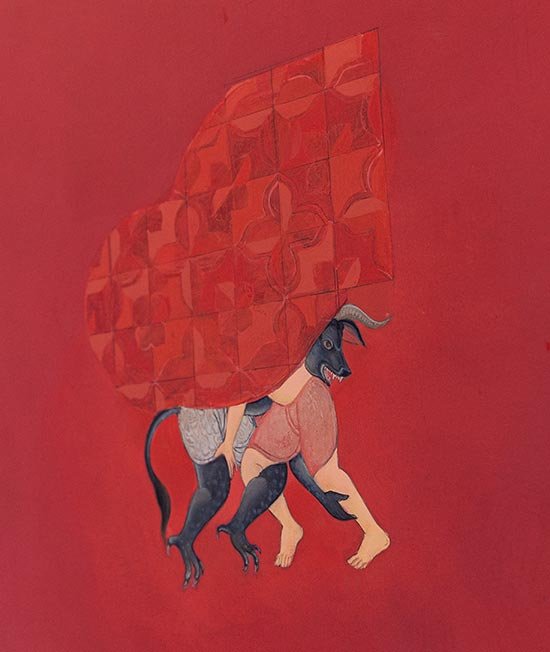
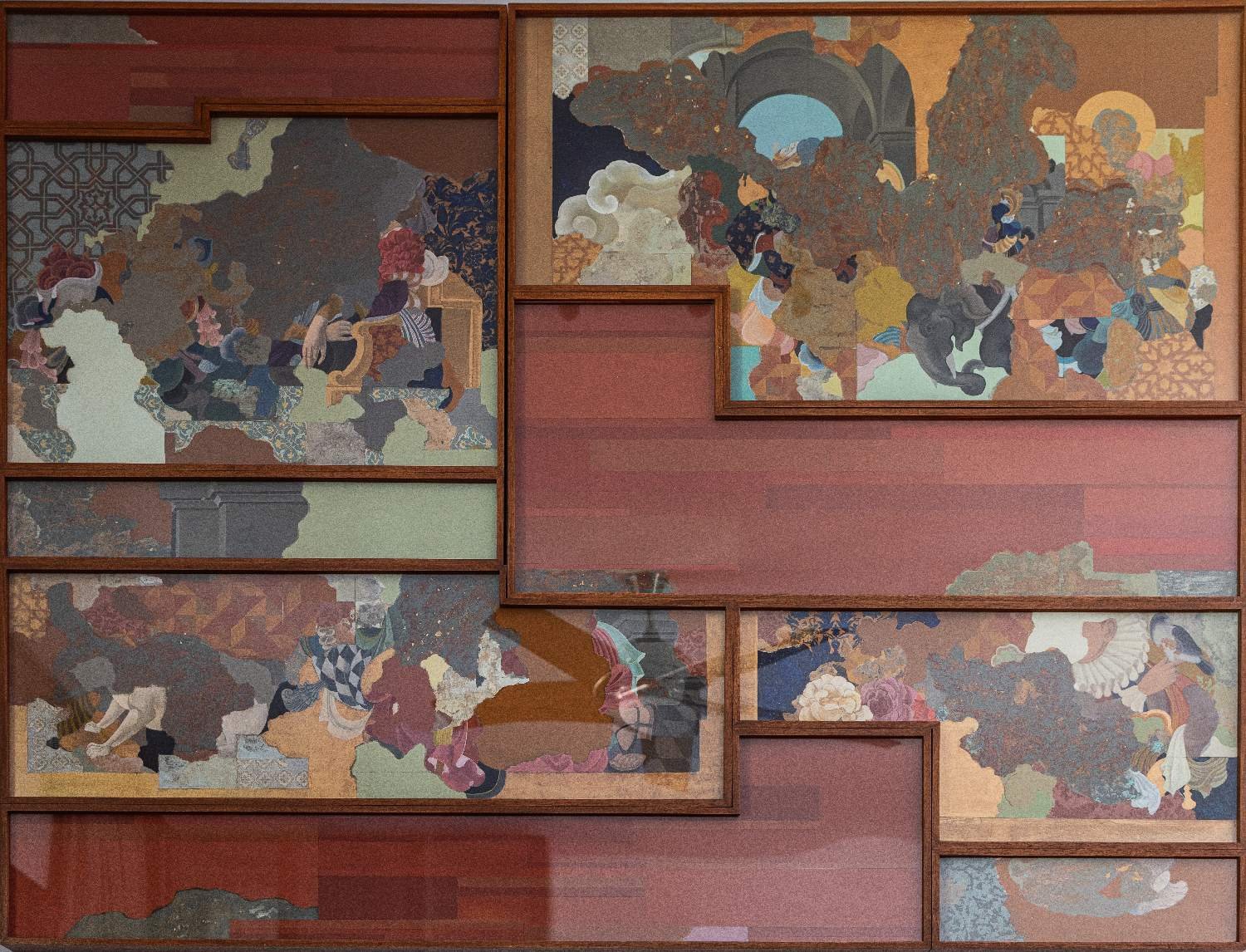
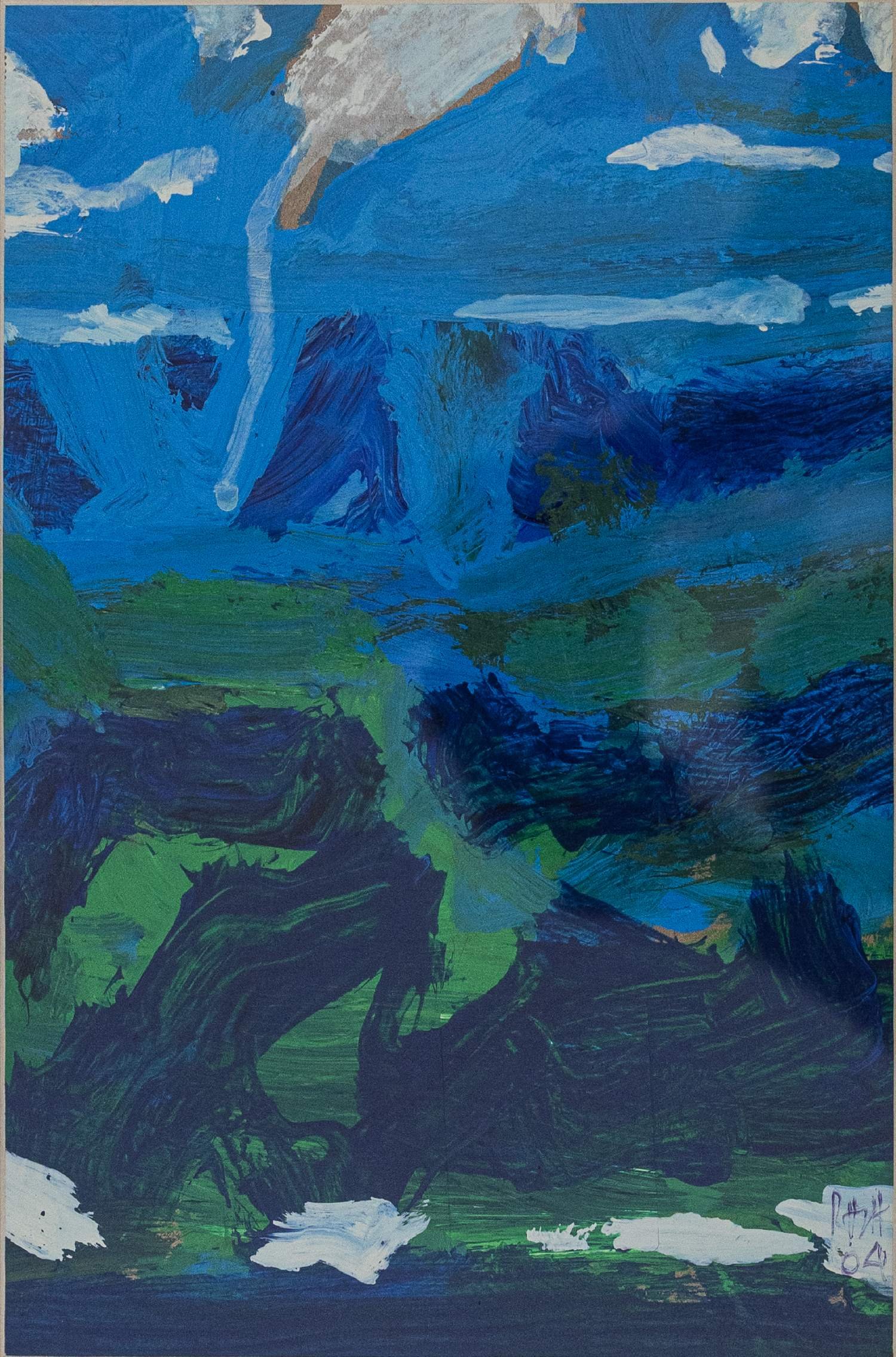
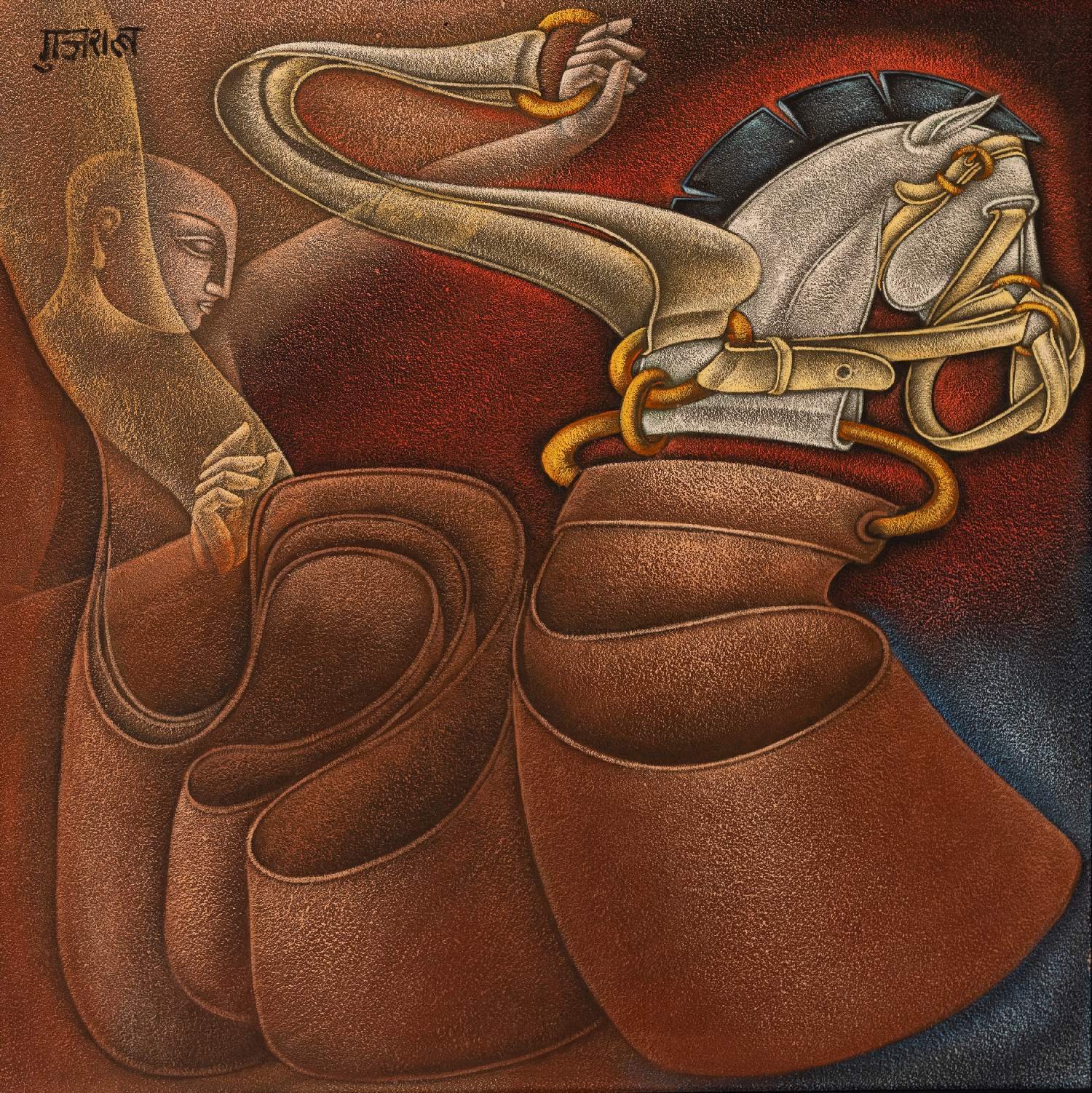
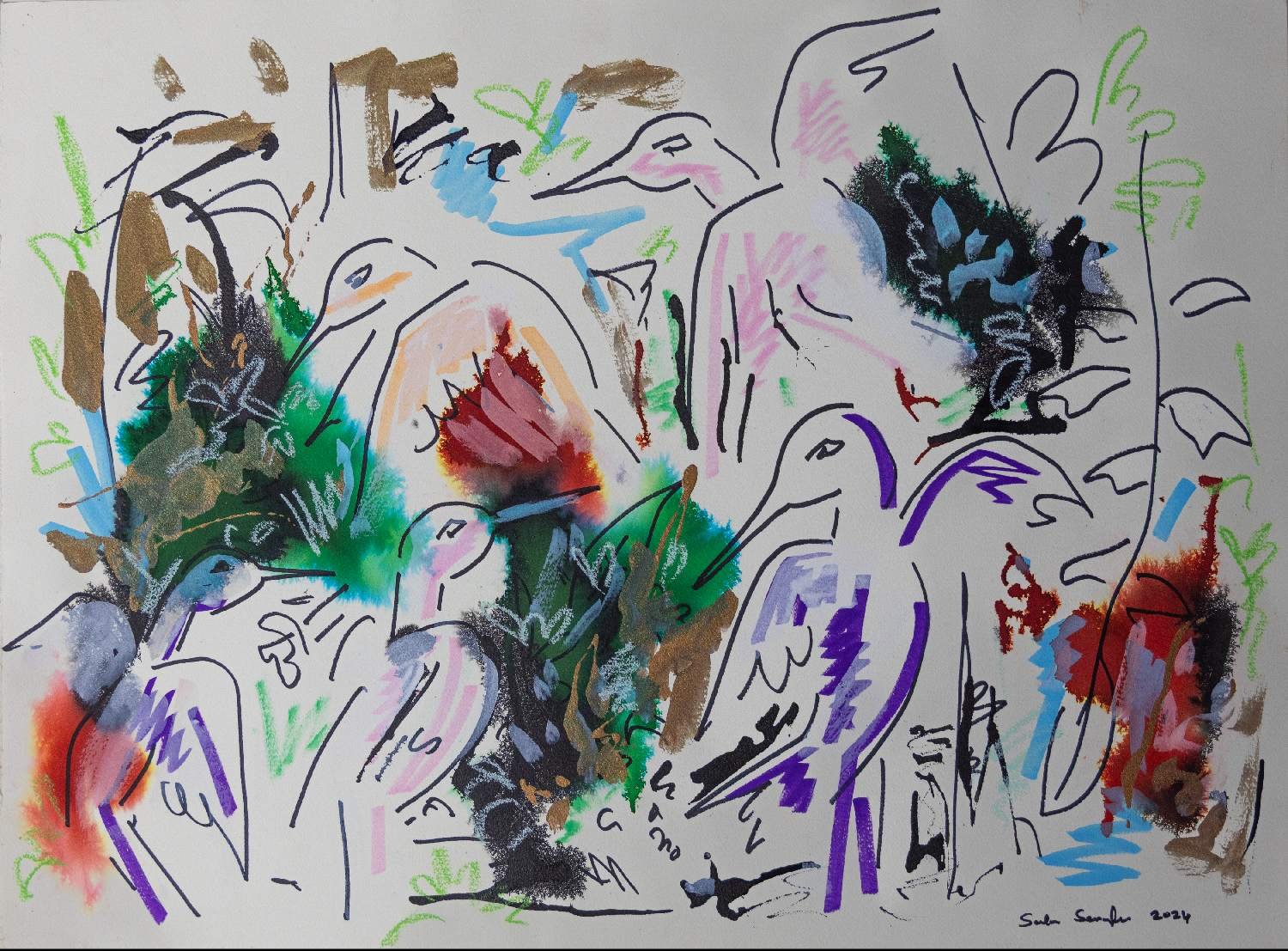
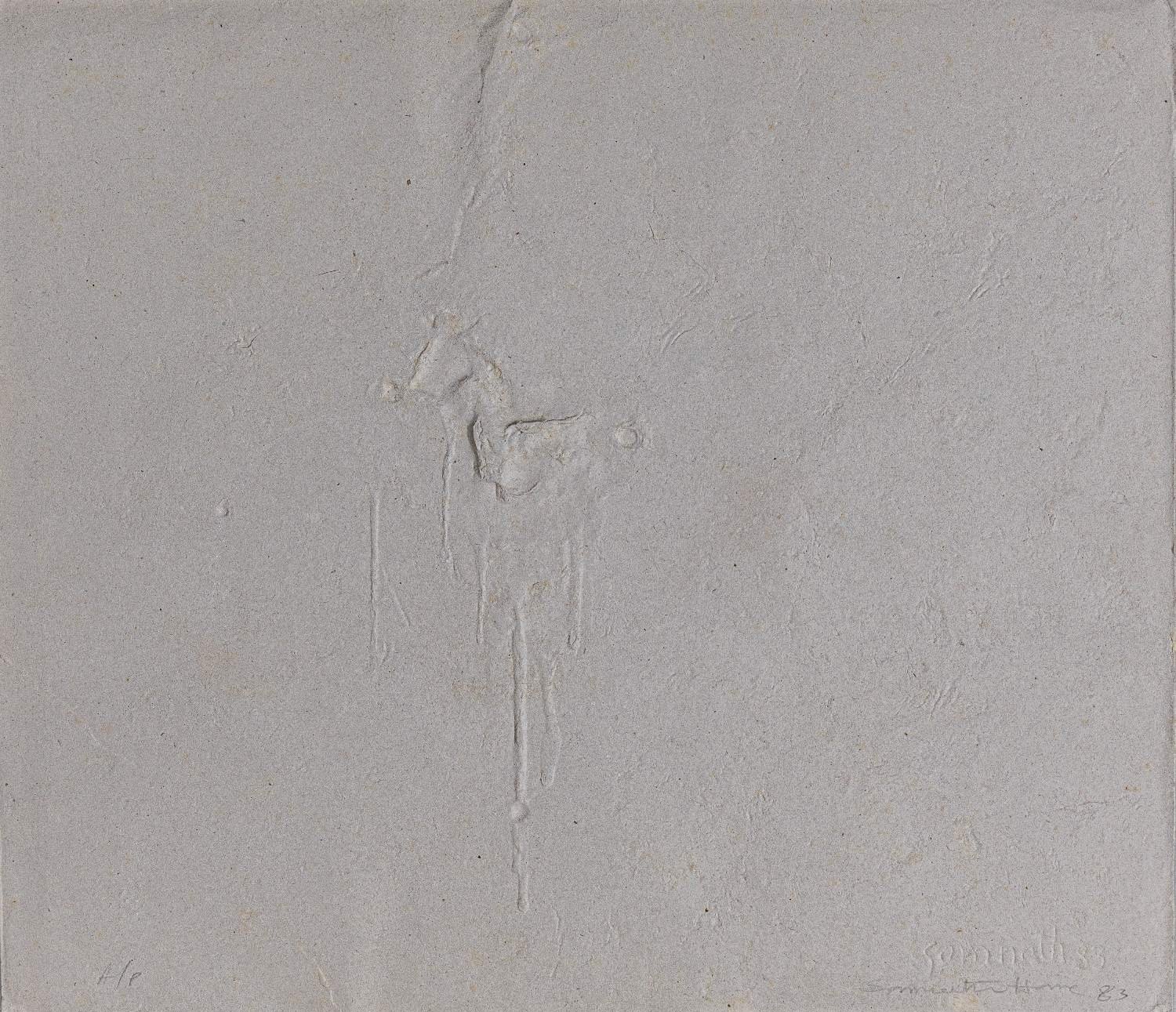
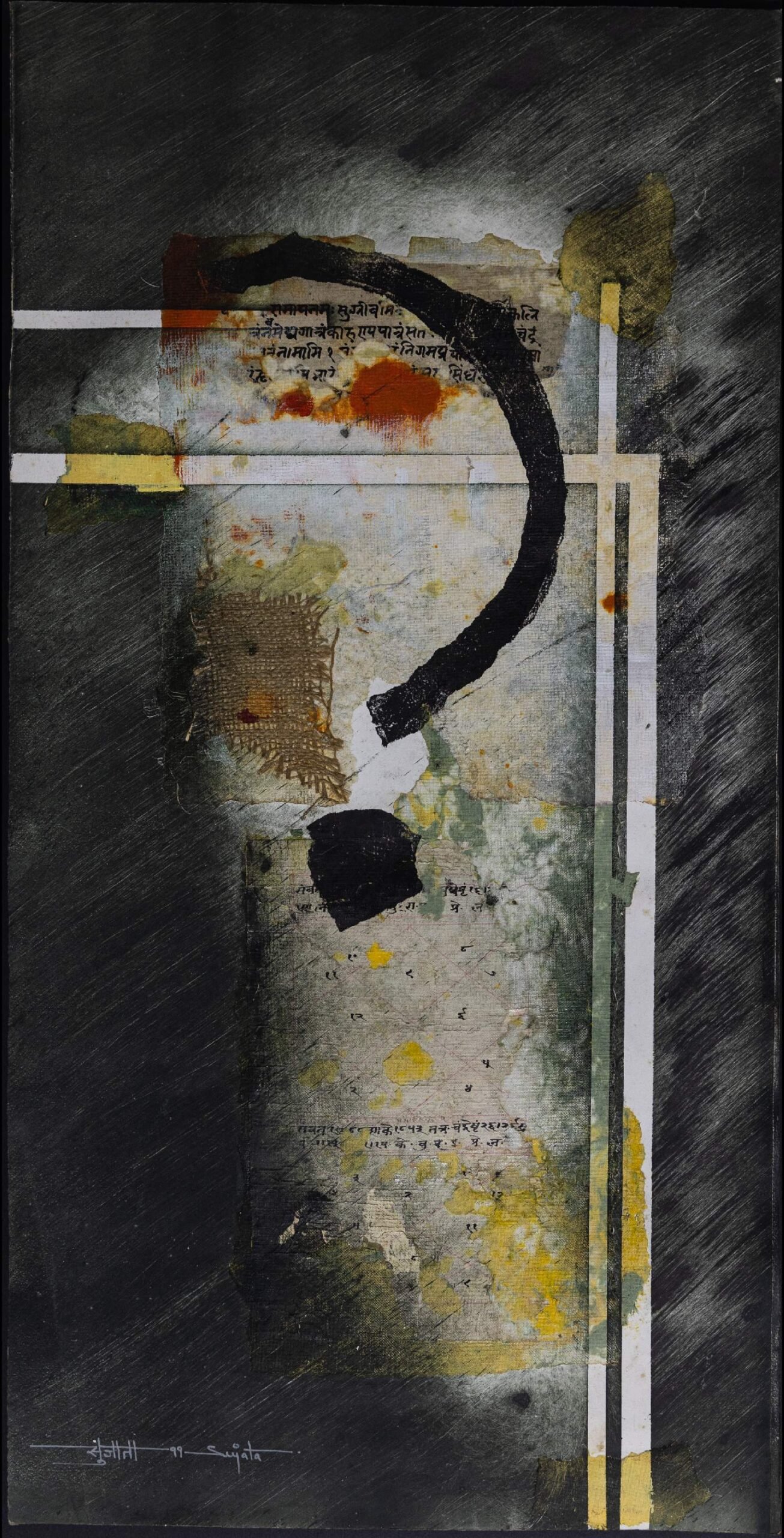
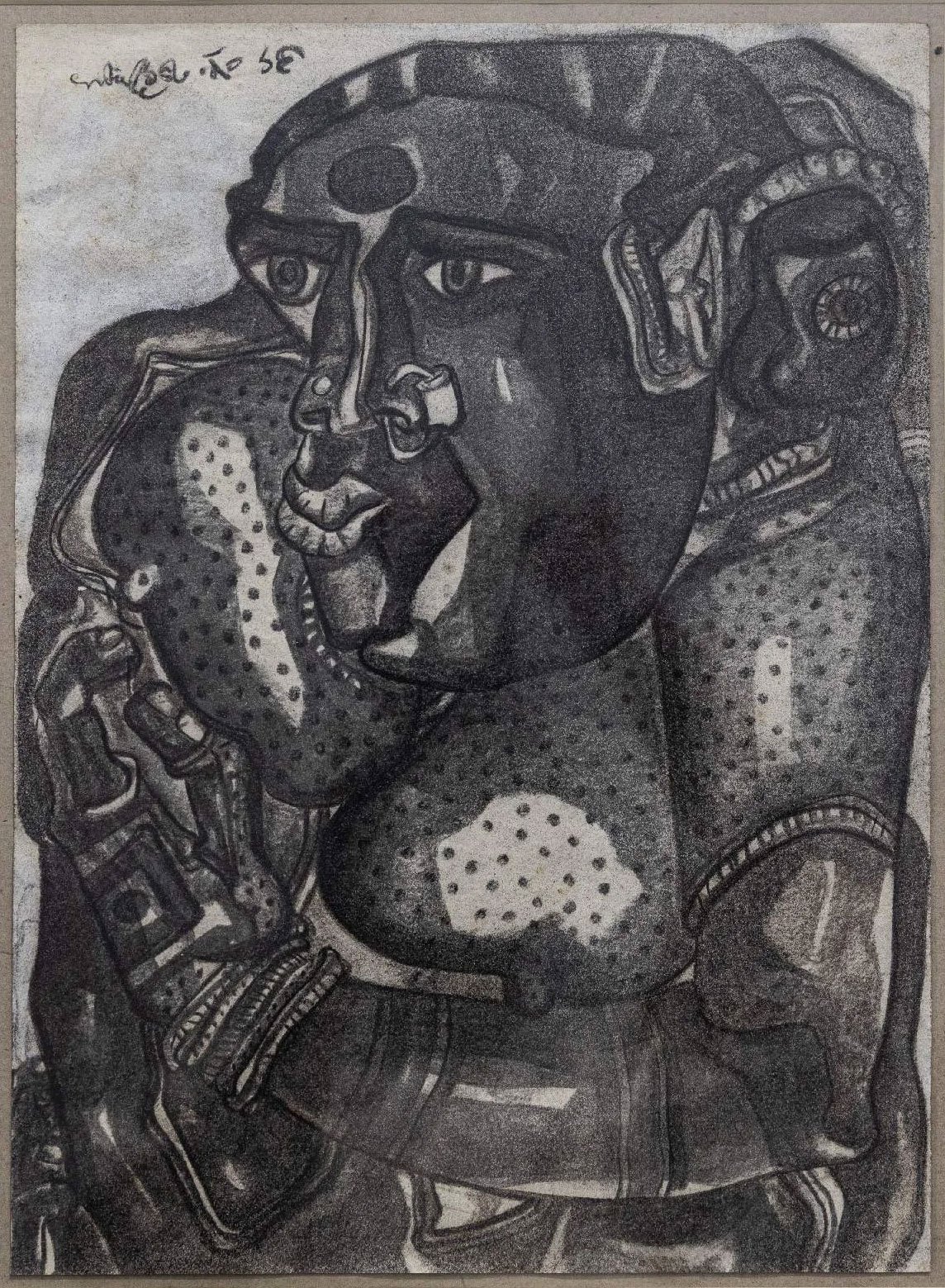
Contemporary Indian paintings encompass an extraordinary range of styles. Figurative painting, abstraction, expressionism, surrealism, conceptual painting, narrative works, minimalism, and experimental approaches all form part of today's Indian art landscape.
Some contemporary Indian painters use recognizable figures and stories to explore human experience. Others reduce the image to colour, form, texture, gesture, or symbolism.
Many artists also draw inspiration from India's visual traditions while presenting them through contemporary techniques and perspectives.
At Tara Art, our selection of contemporary Indian paintings is based on the individual artistic quality and significance of the work rather than adherence to a particular style.
Whether you are an experienced collector or purchasing an original artwork for the first time, the aim is to help you discover work that has both visual impact and artistic meaning.
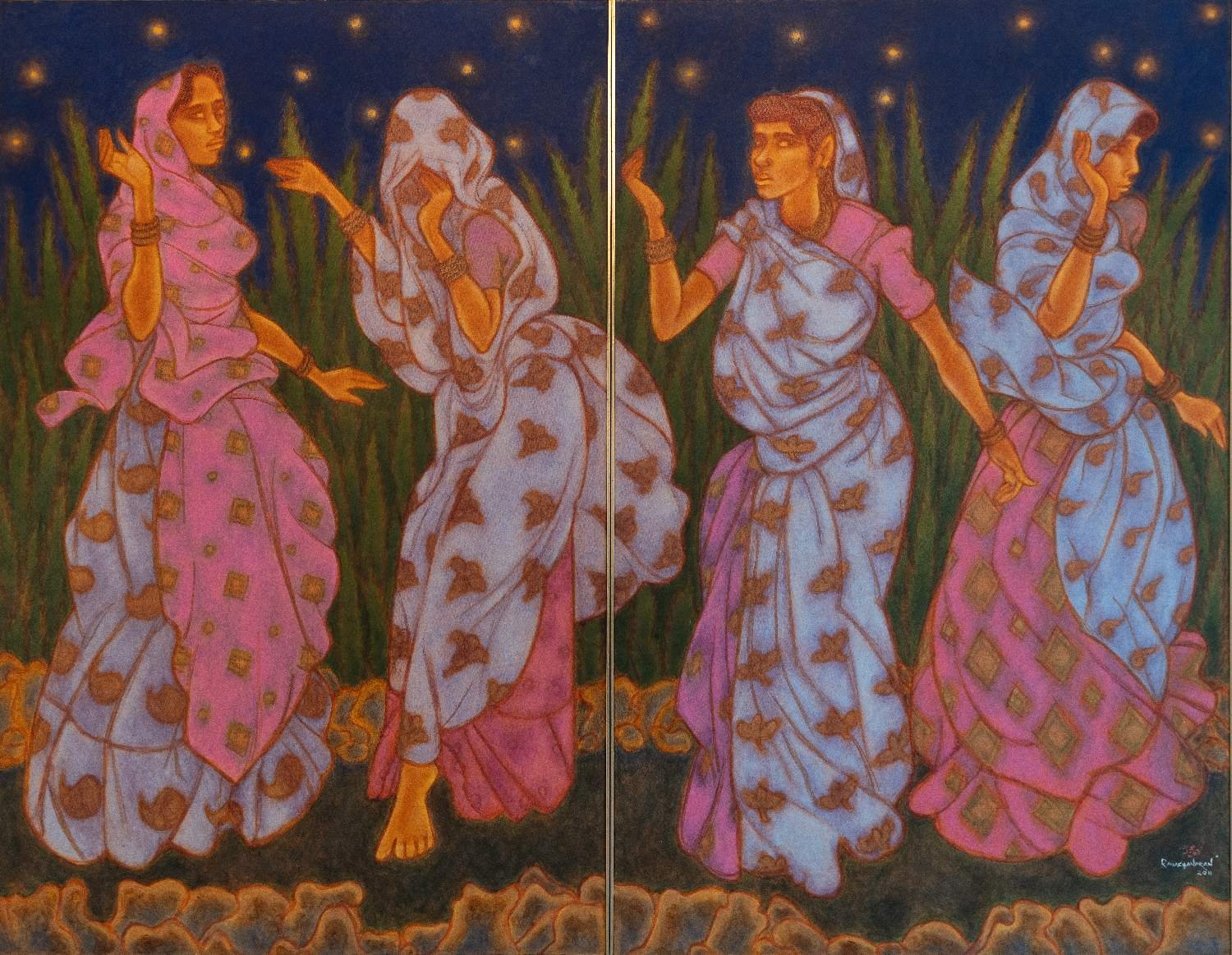
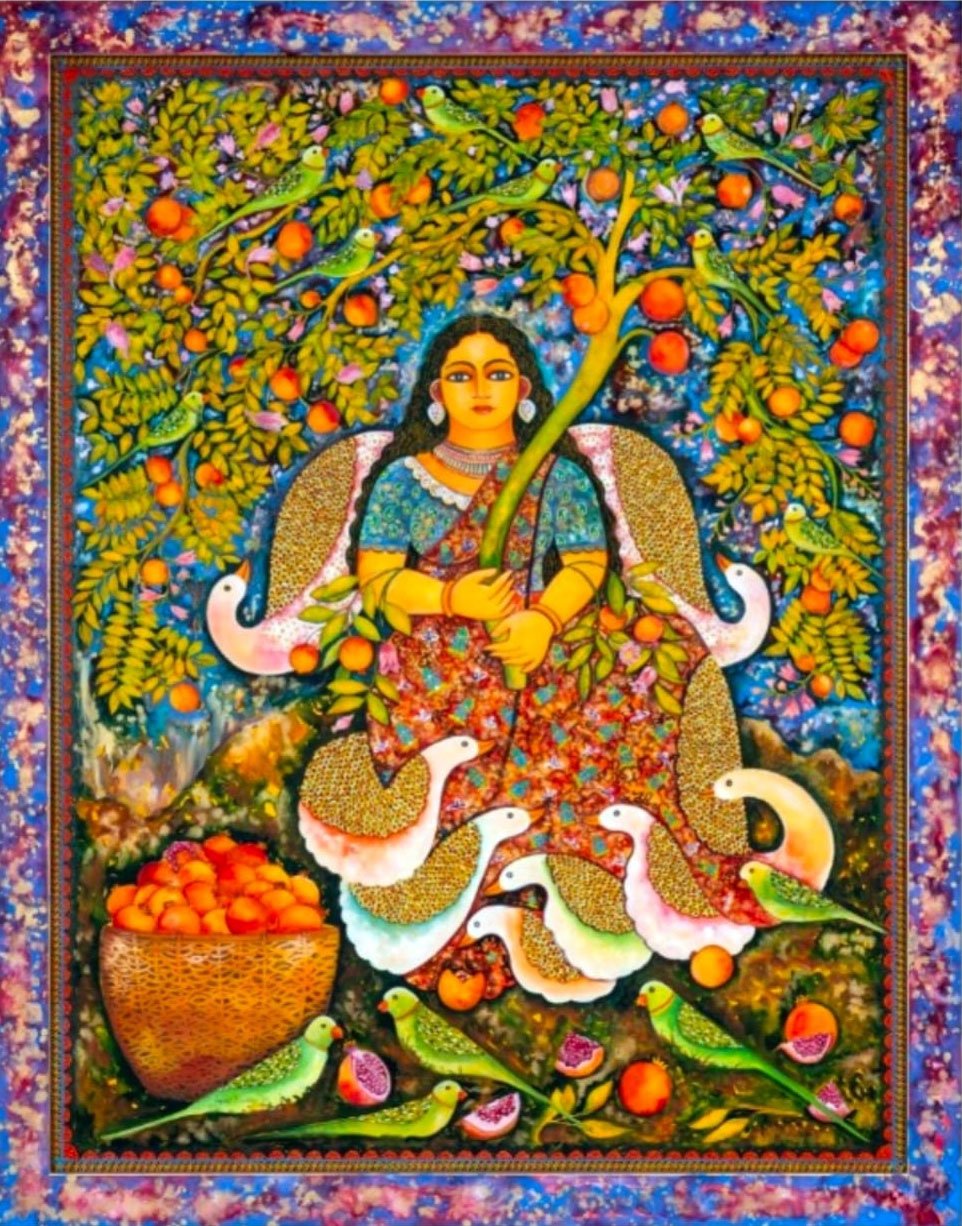
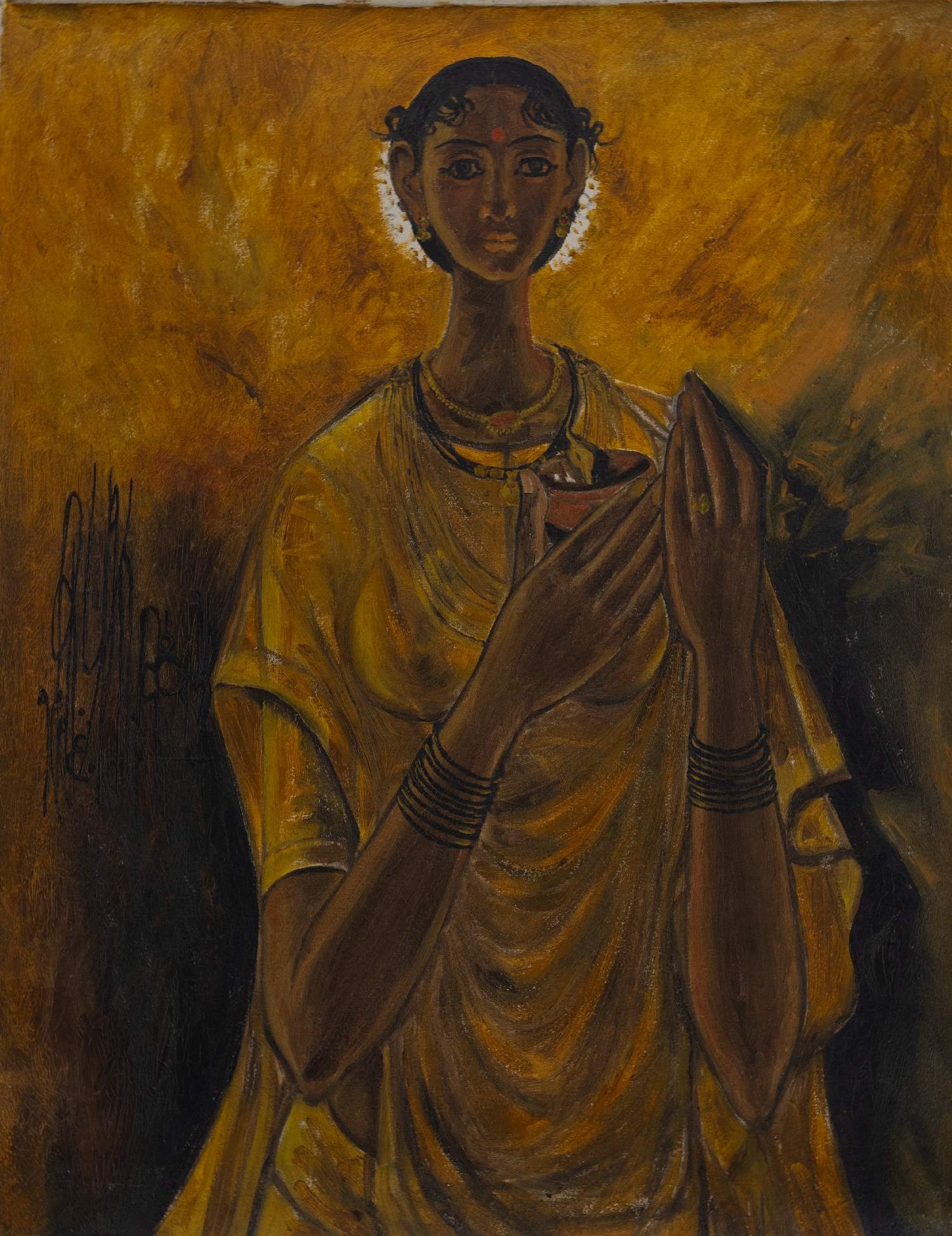
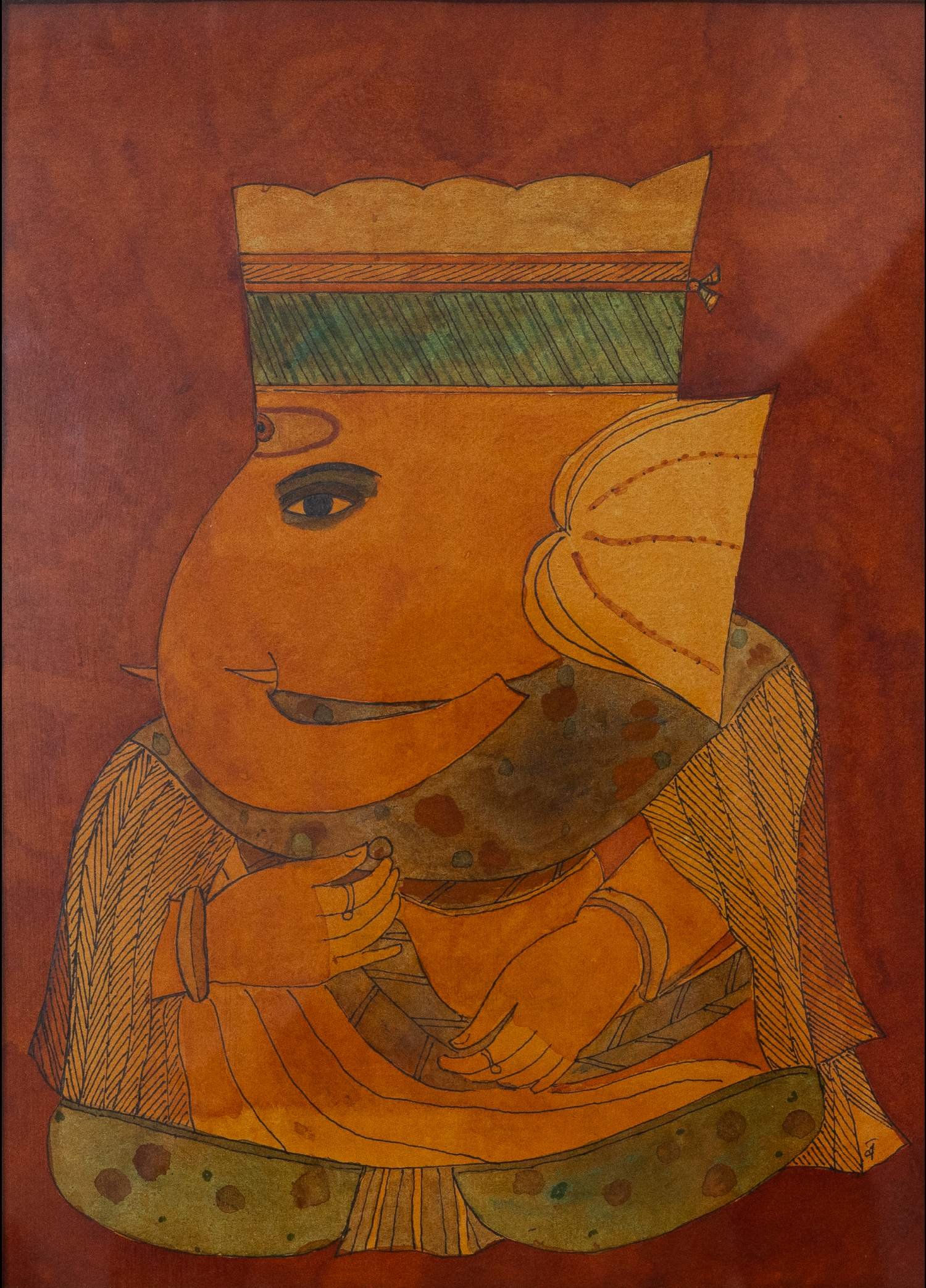
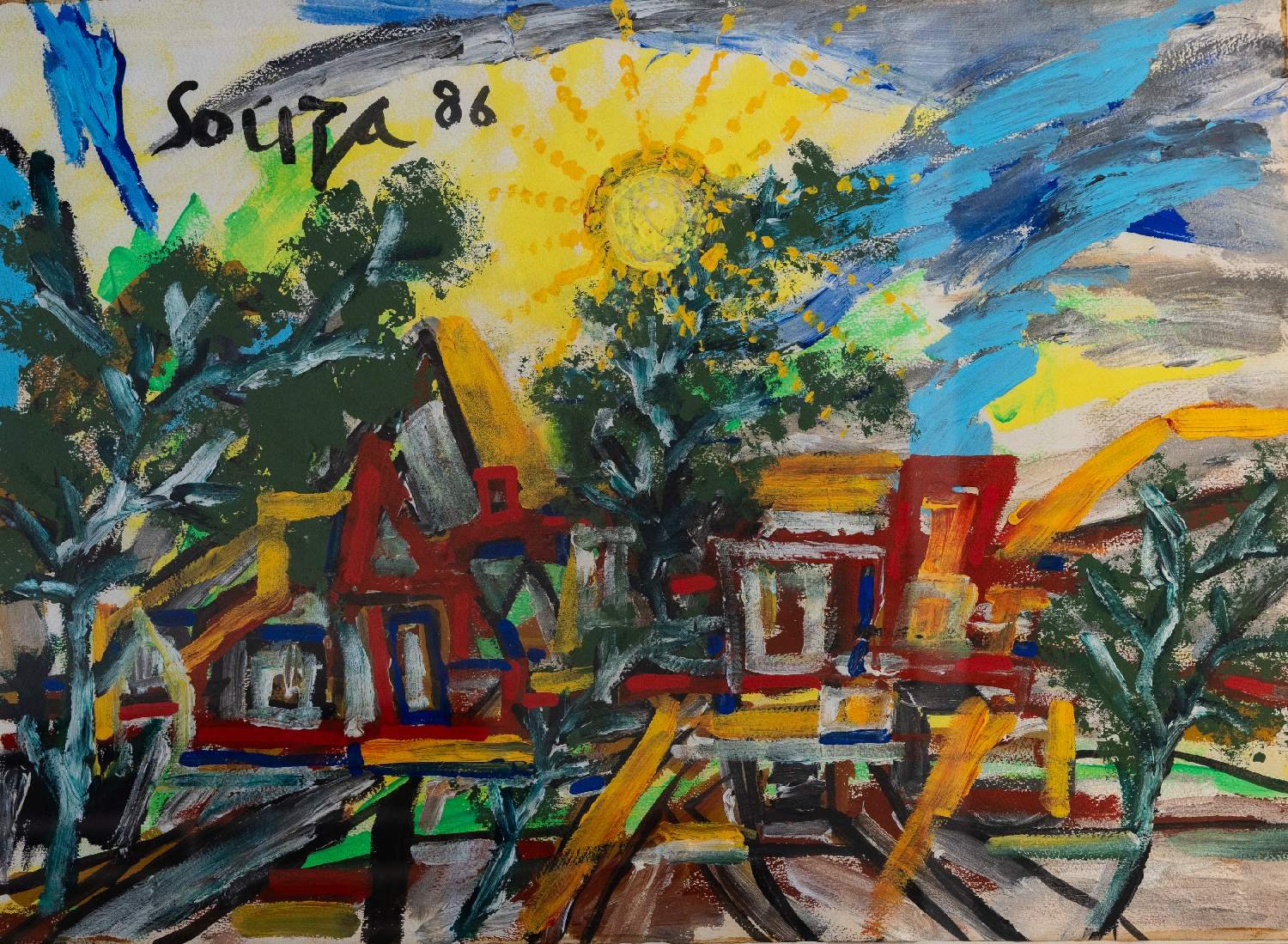
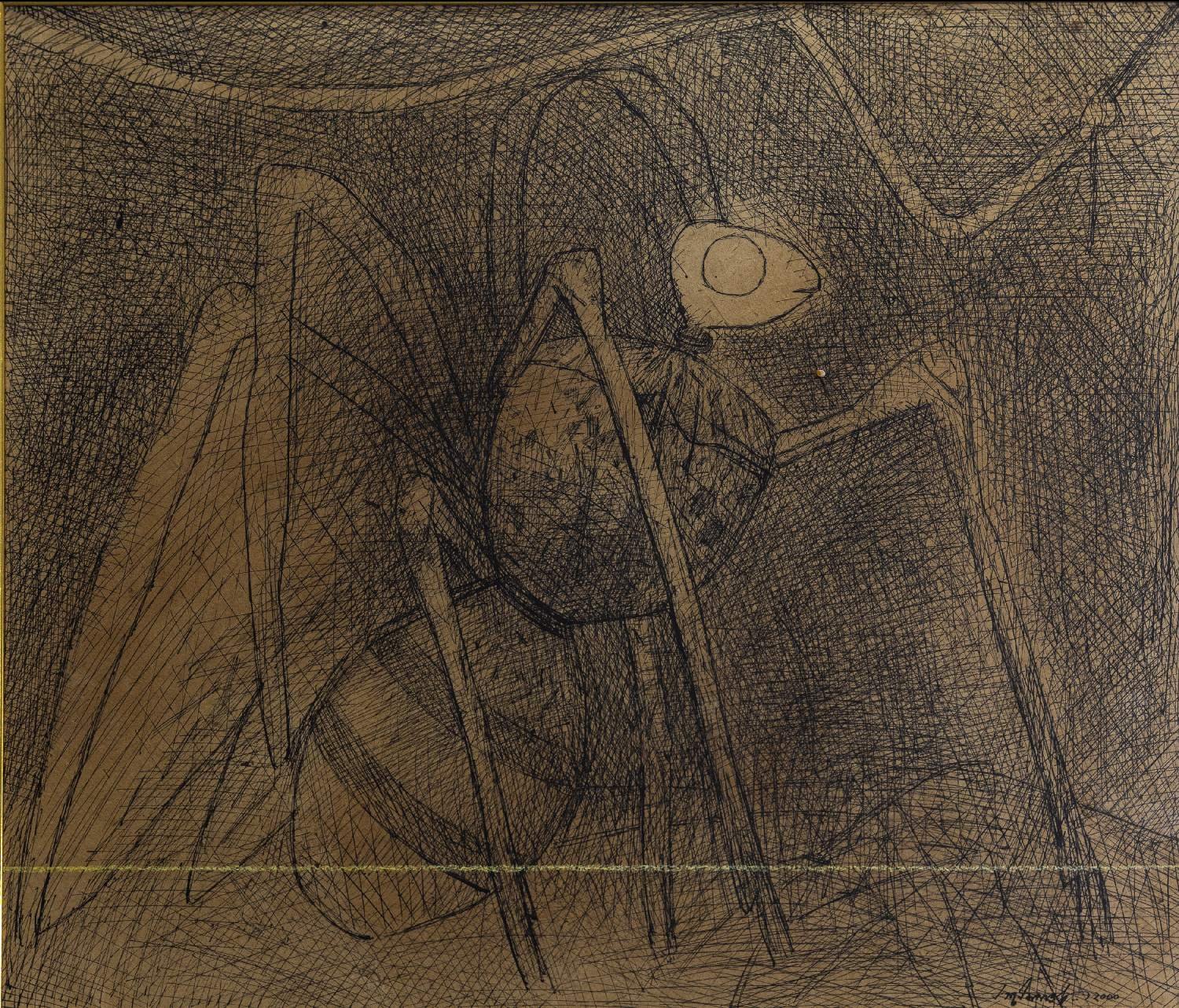
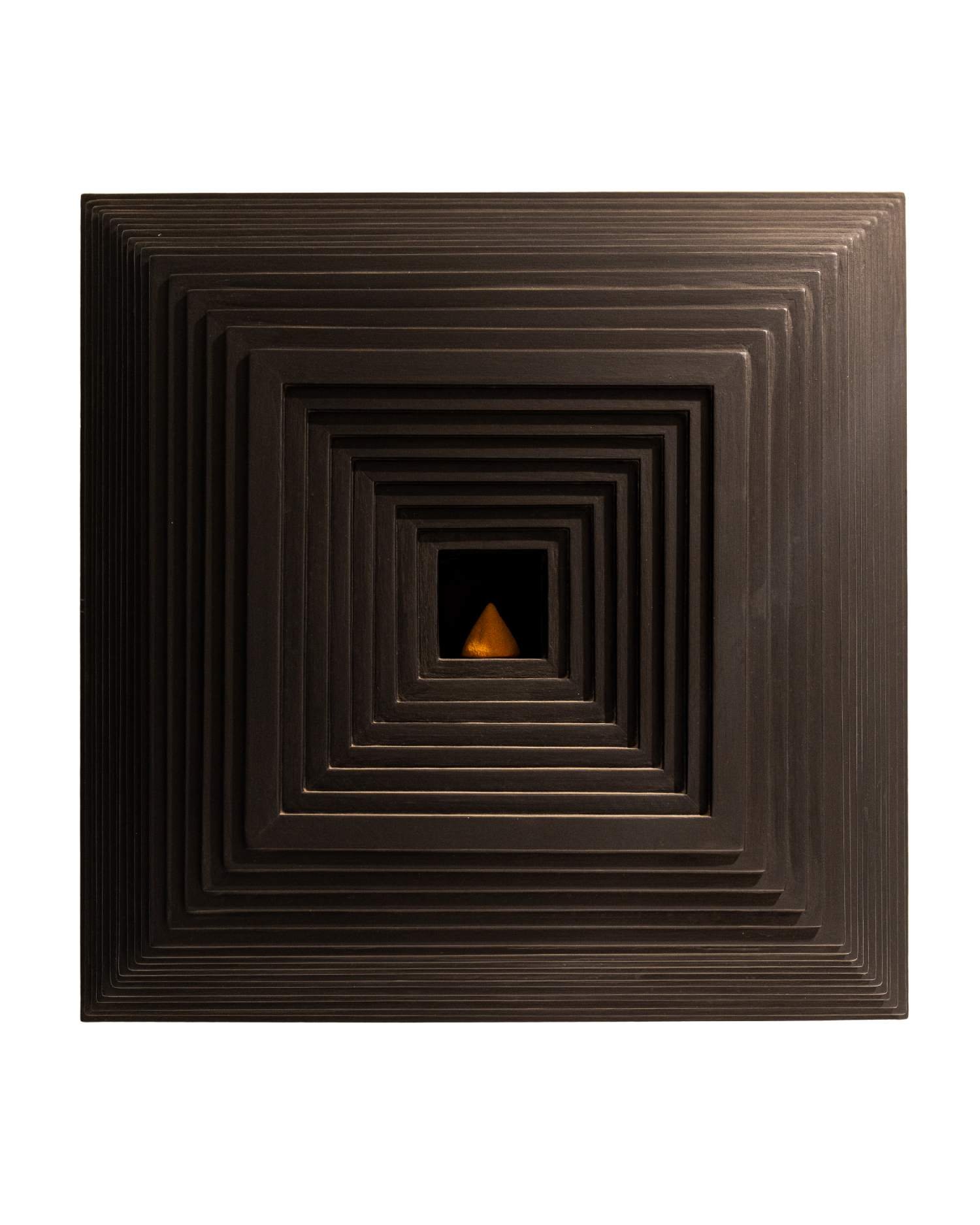
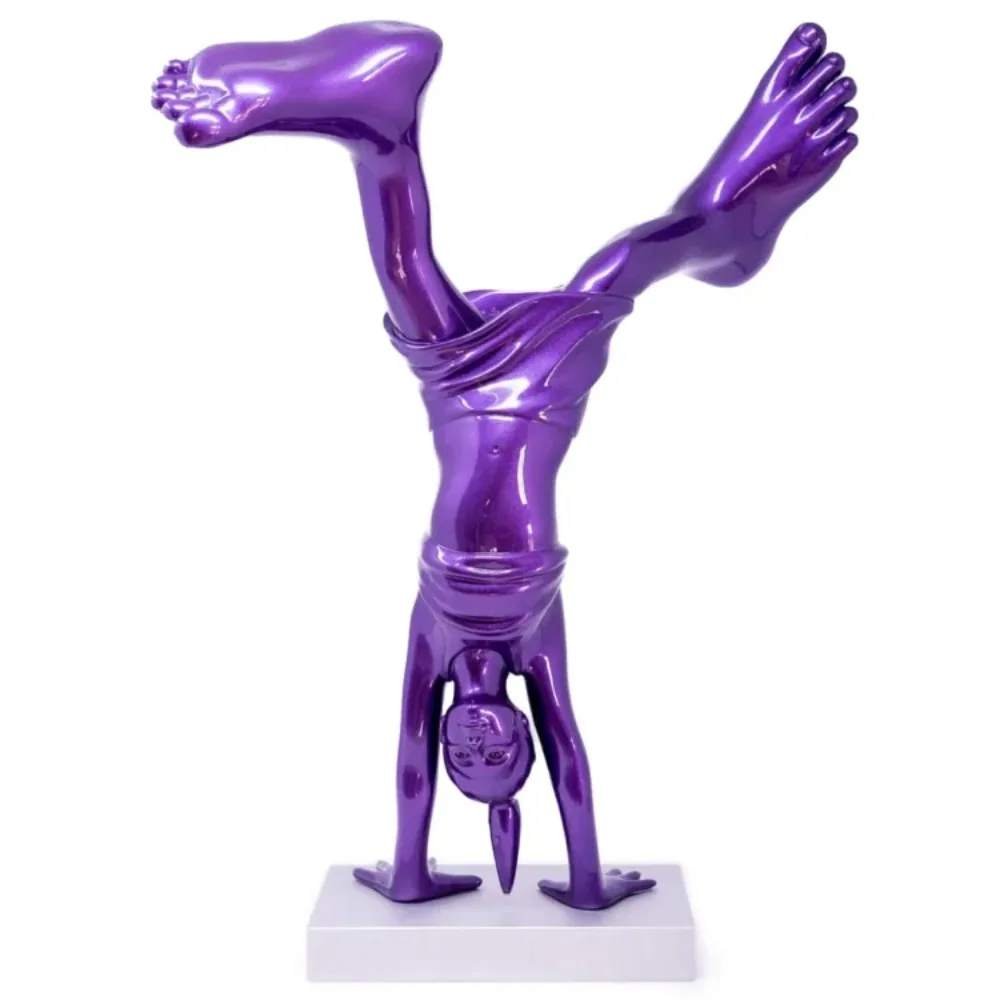
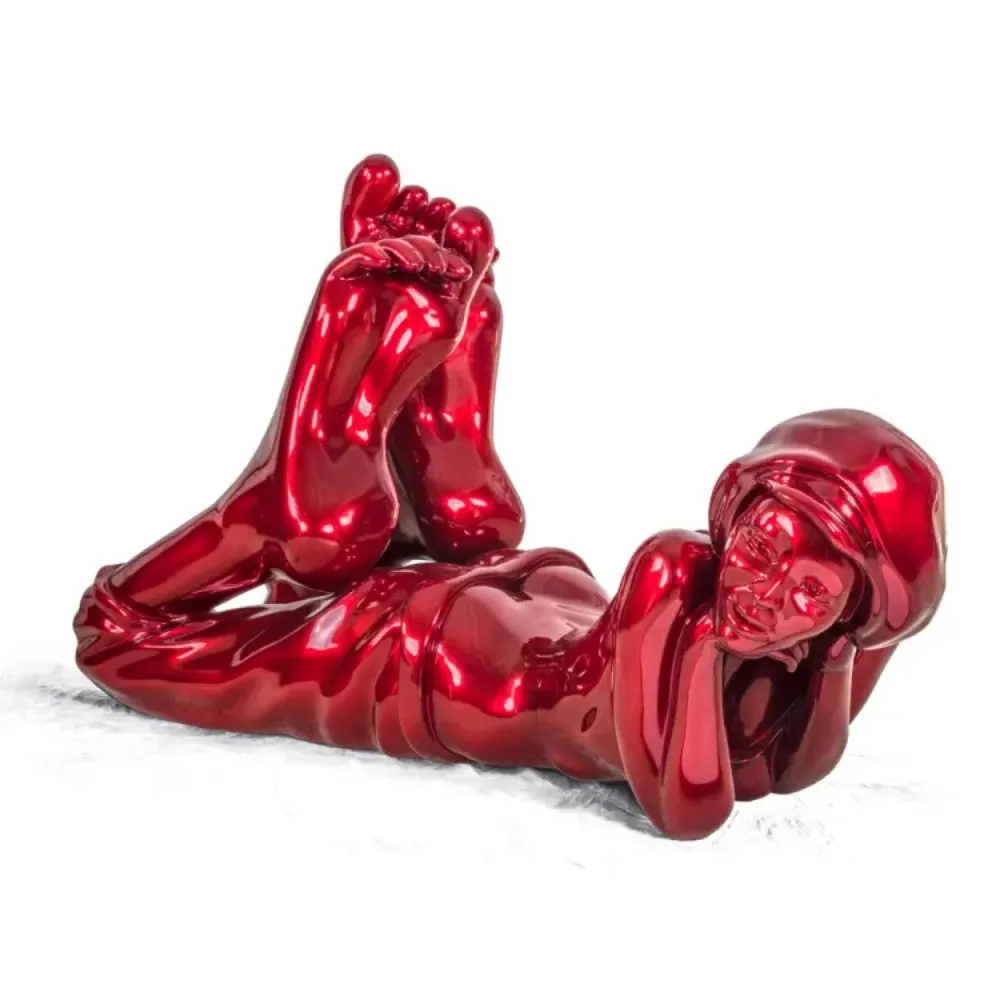
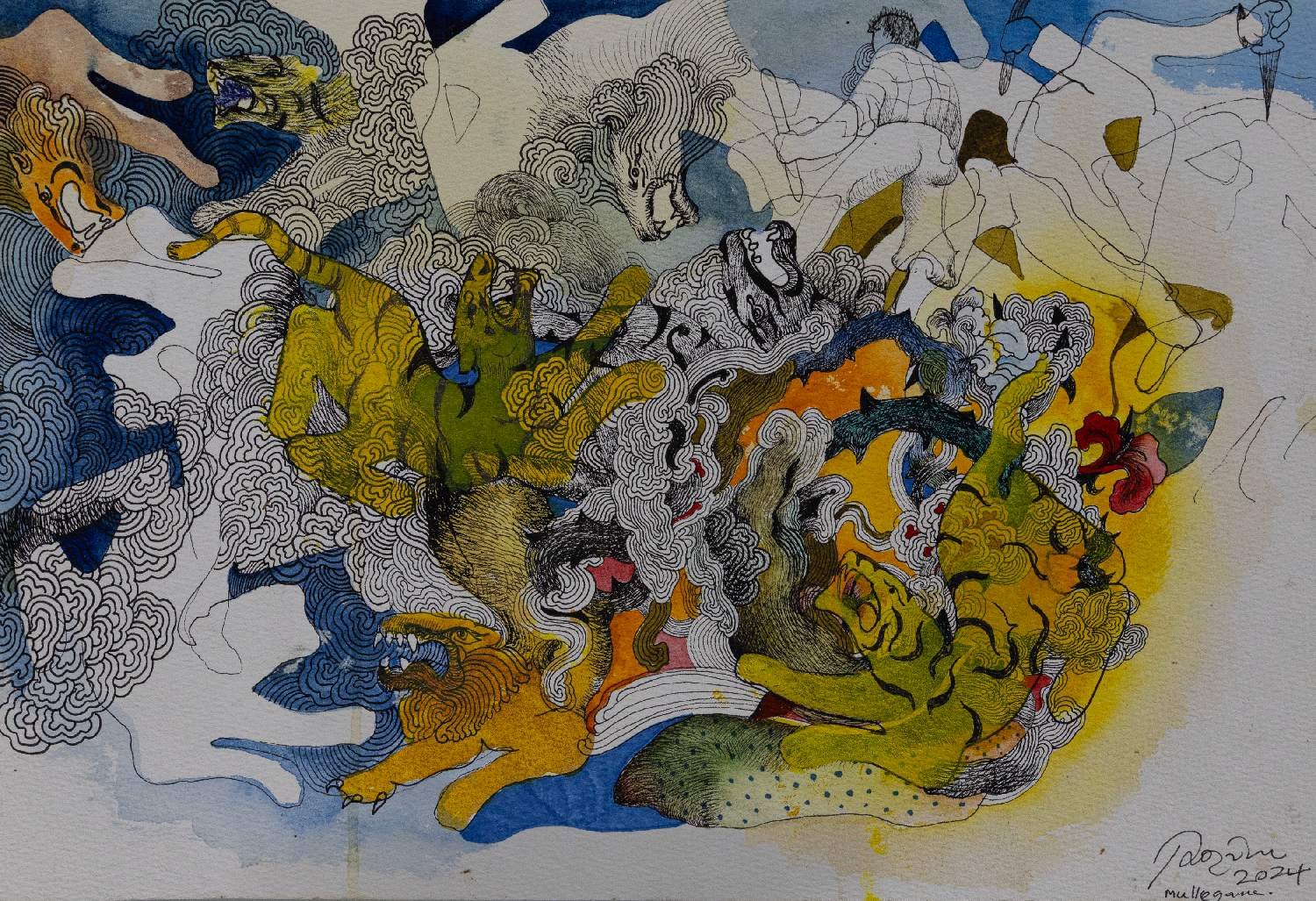
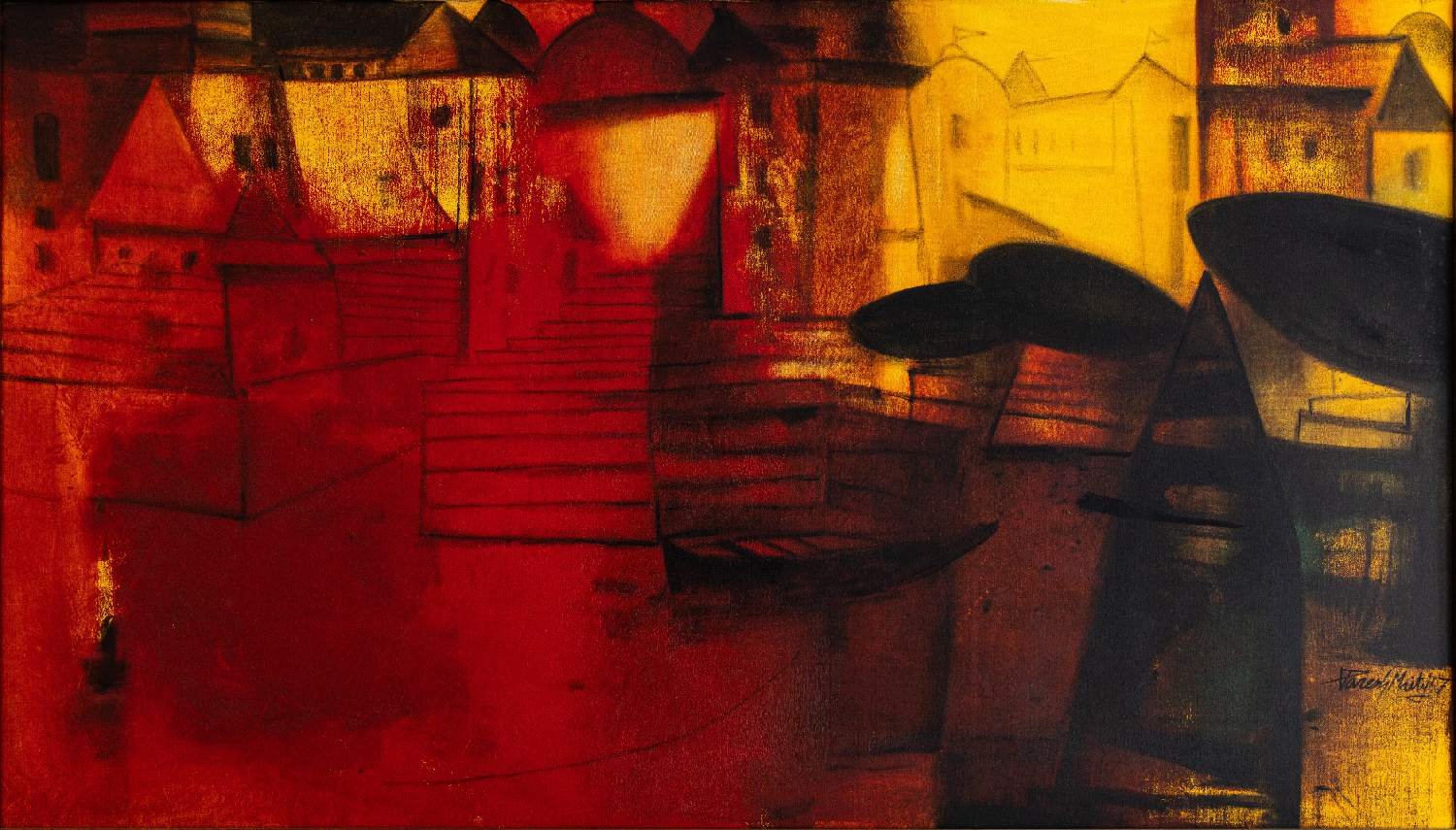
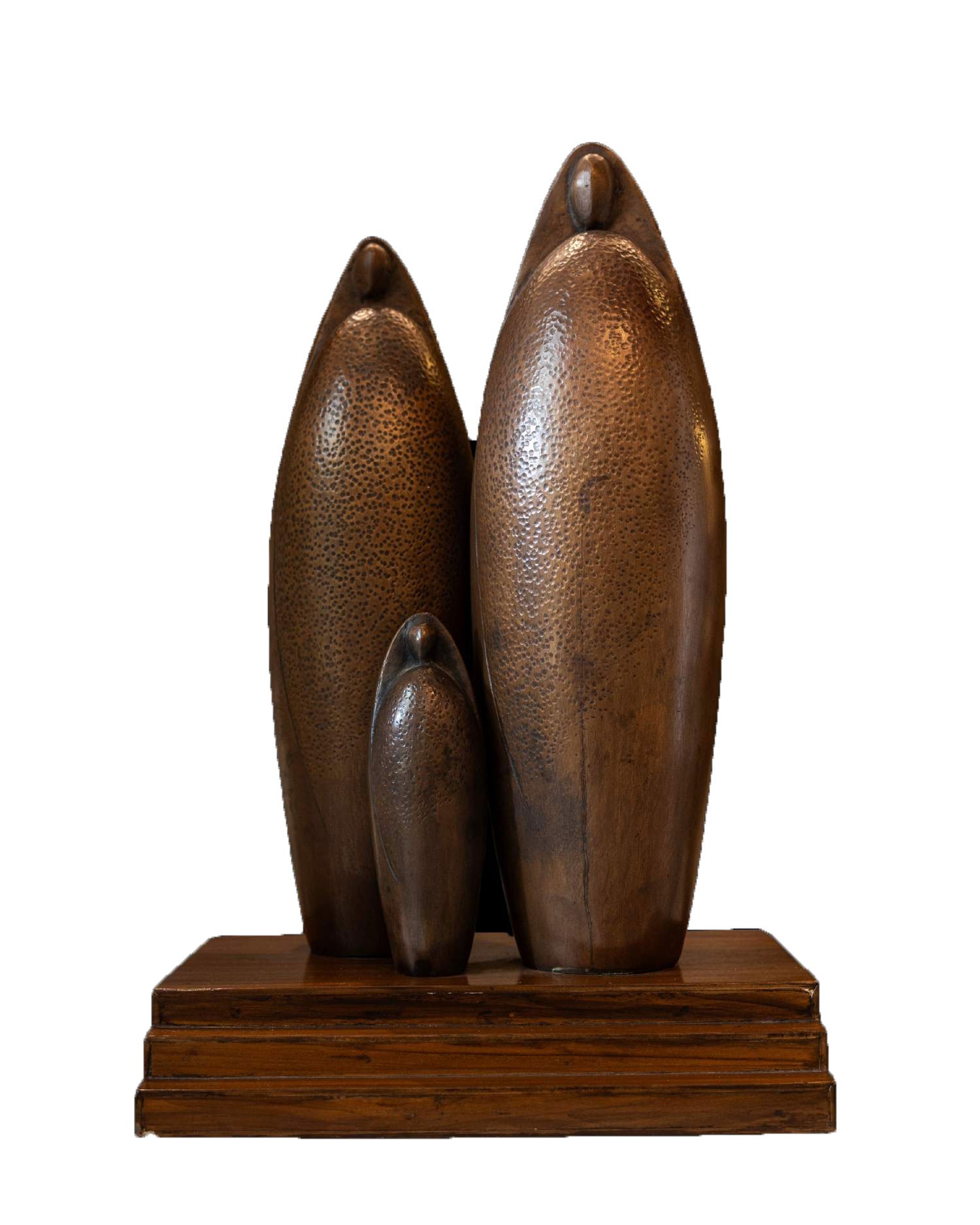
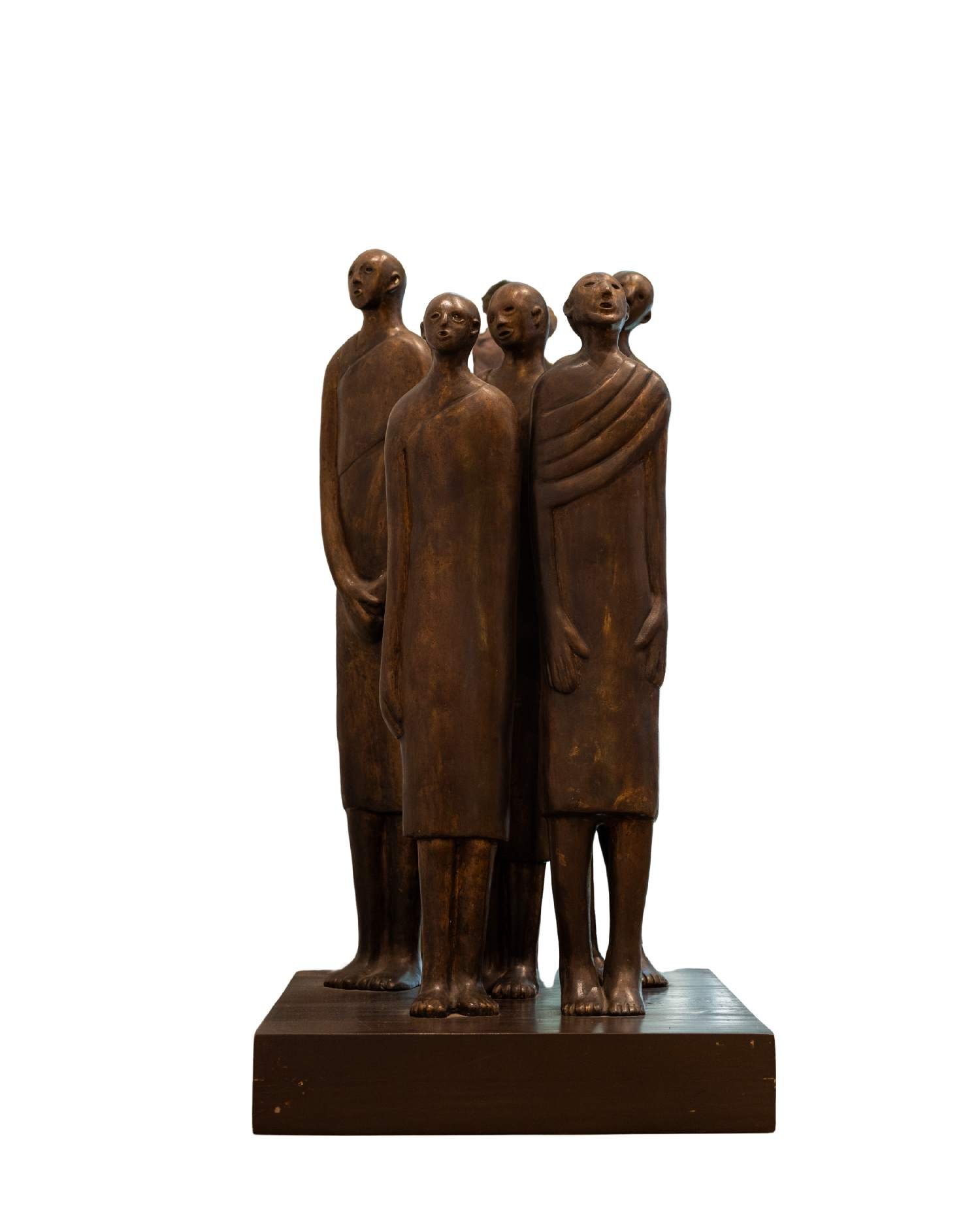
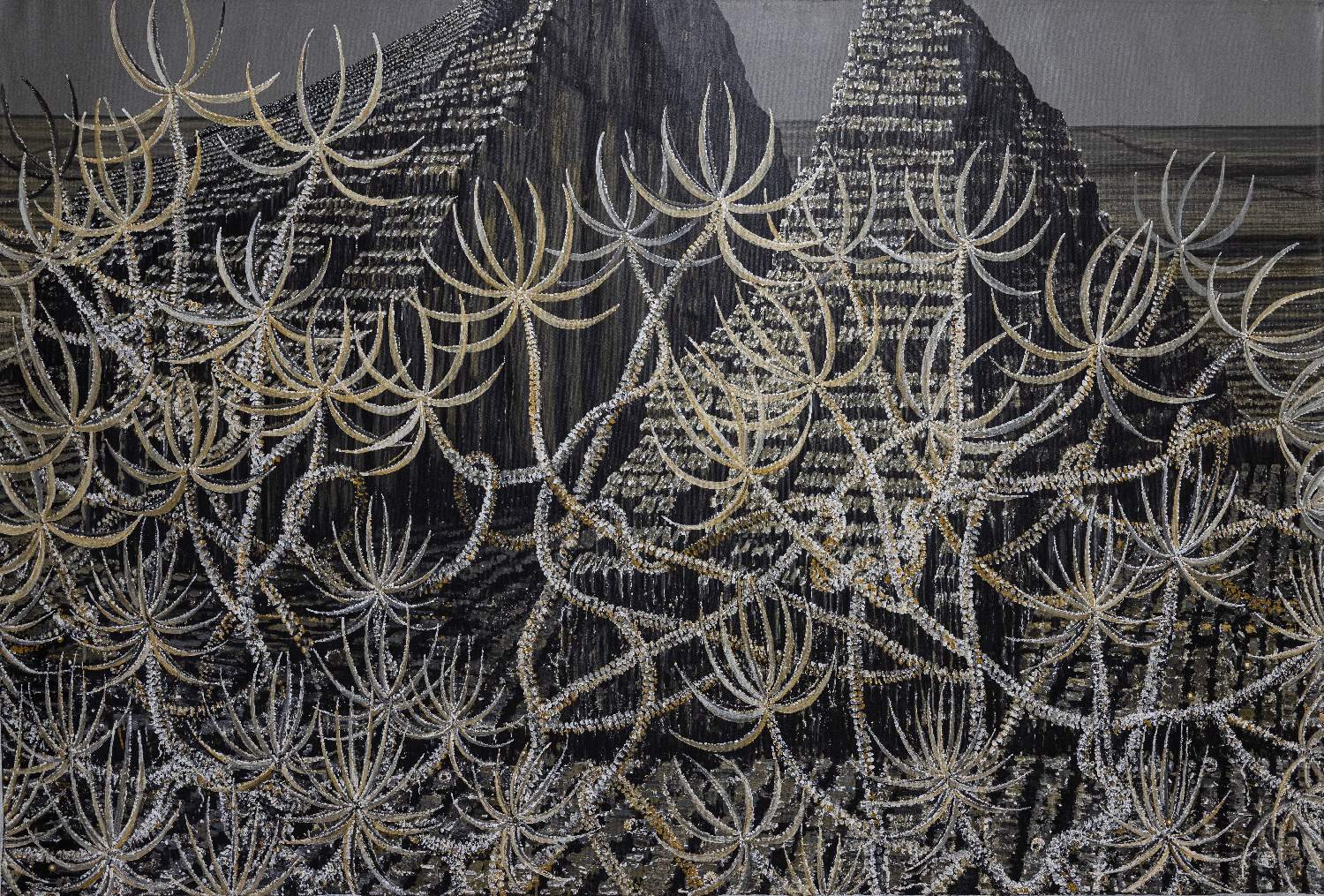
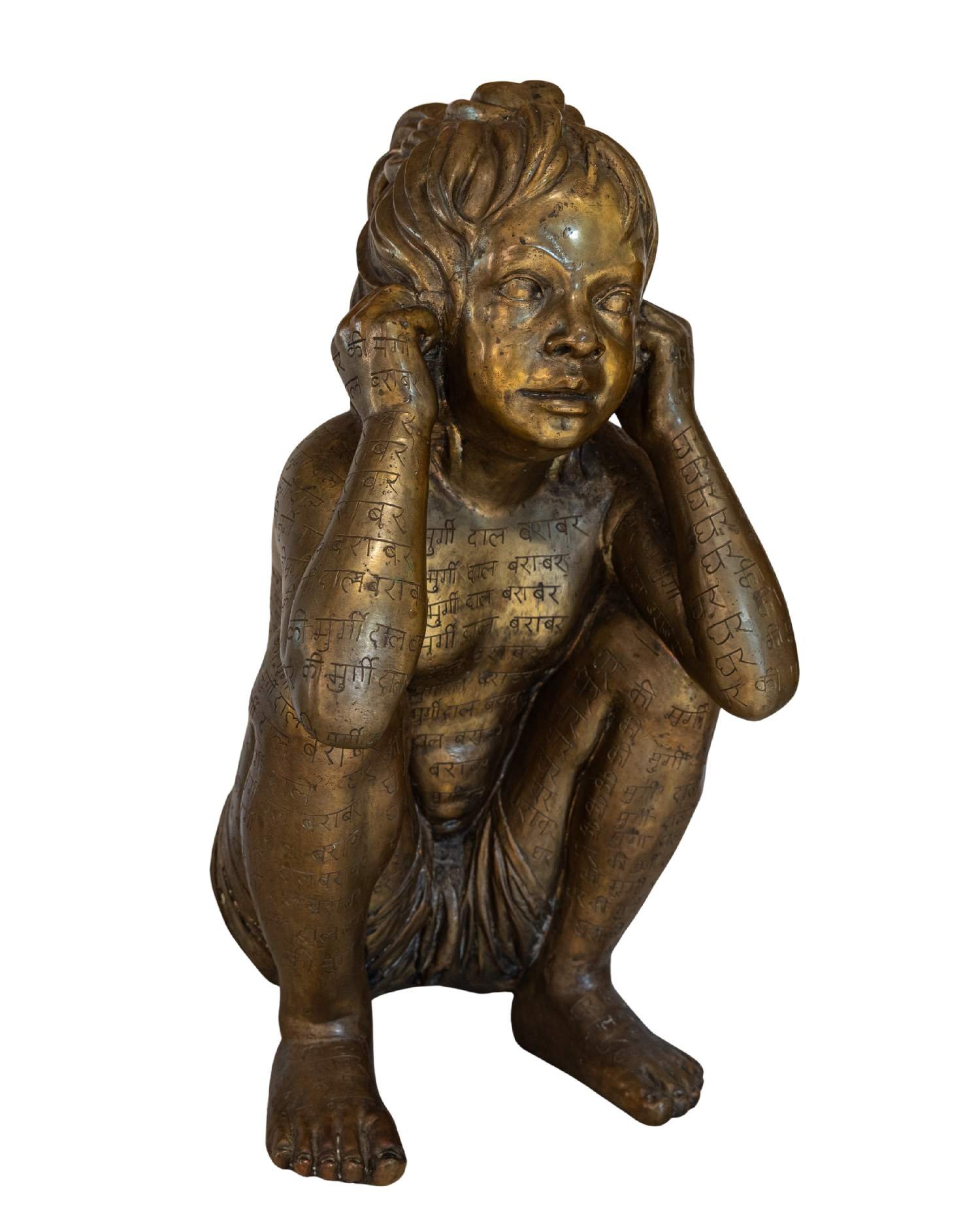
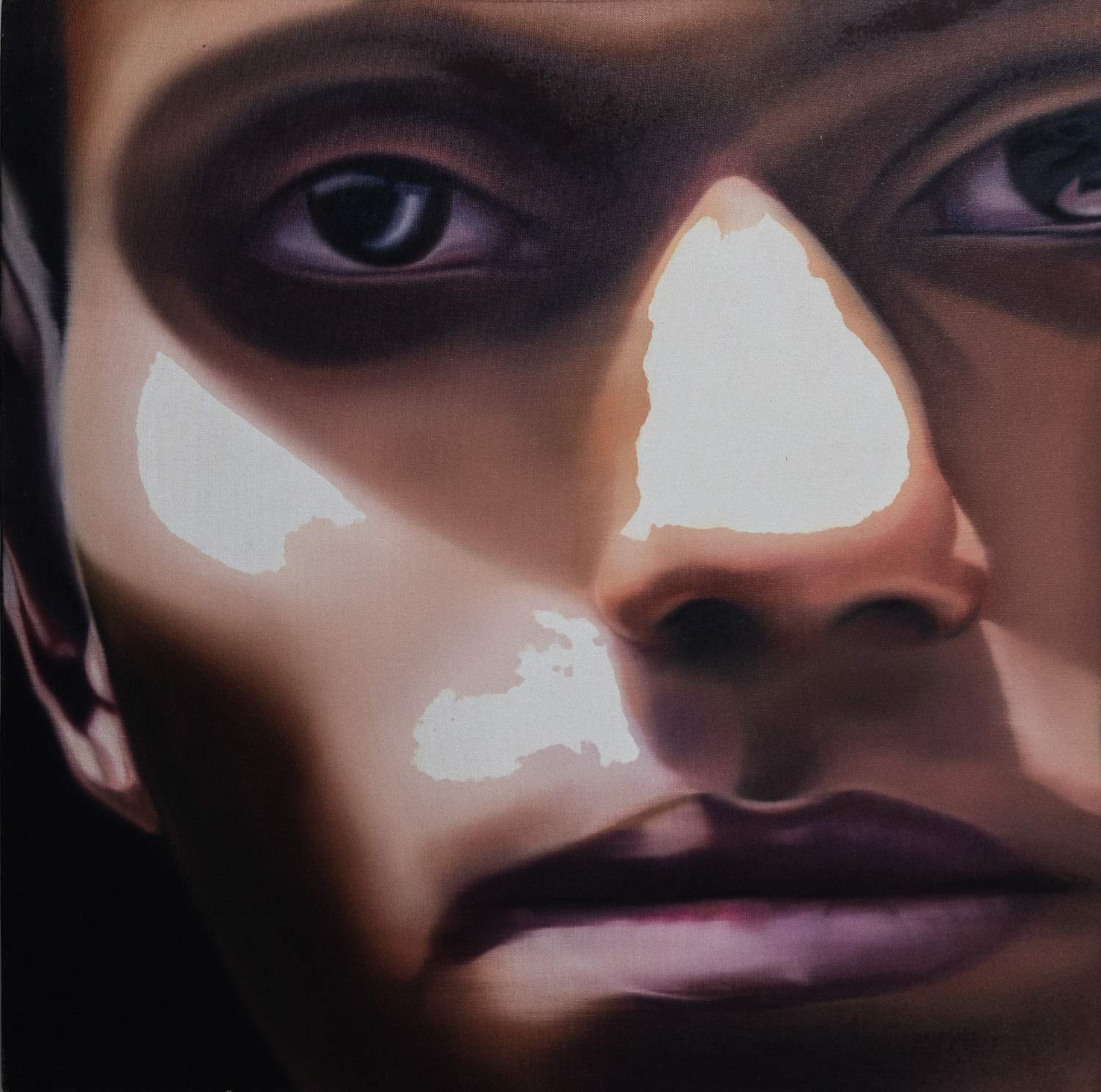
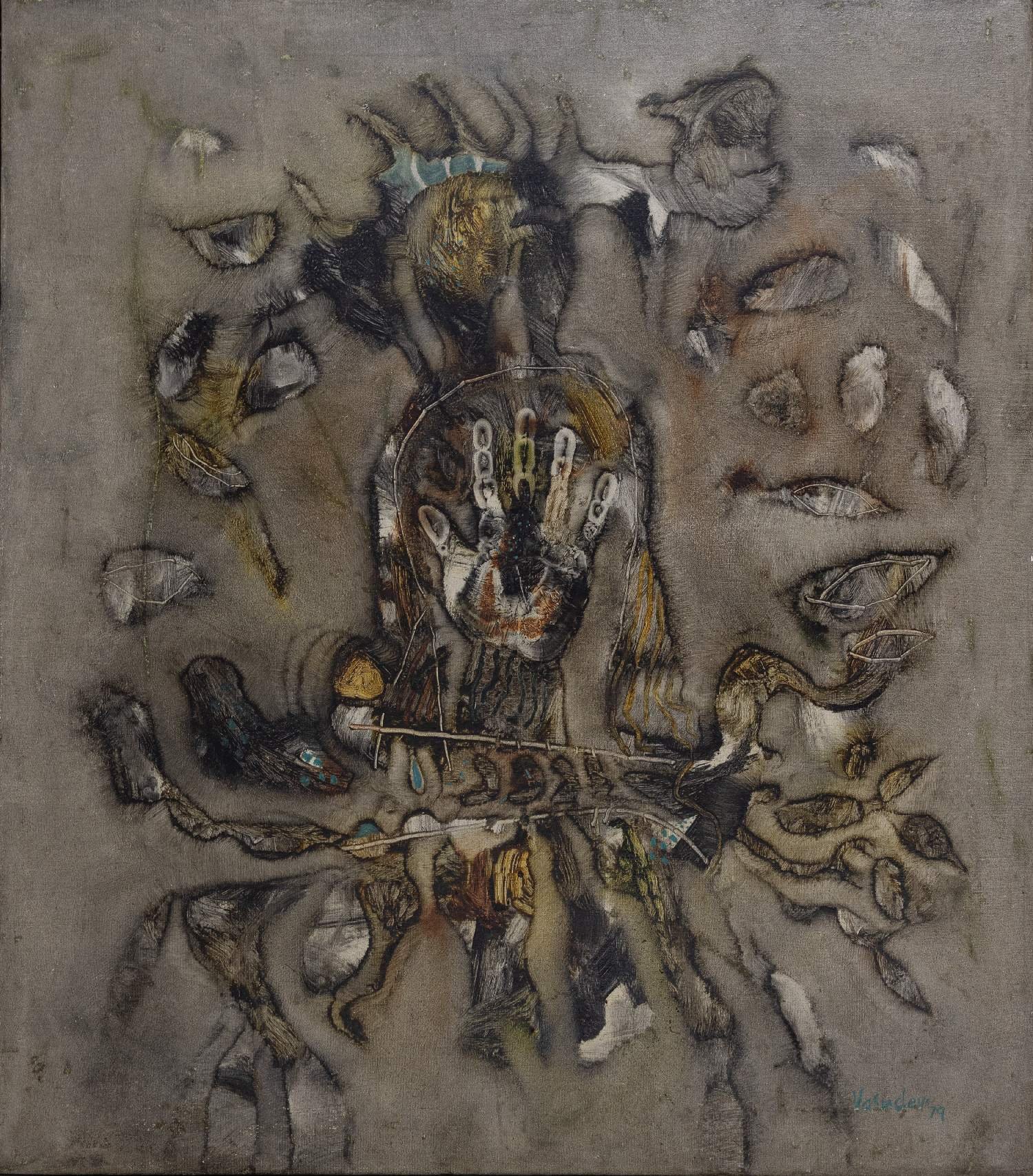
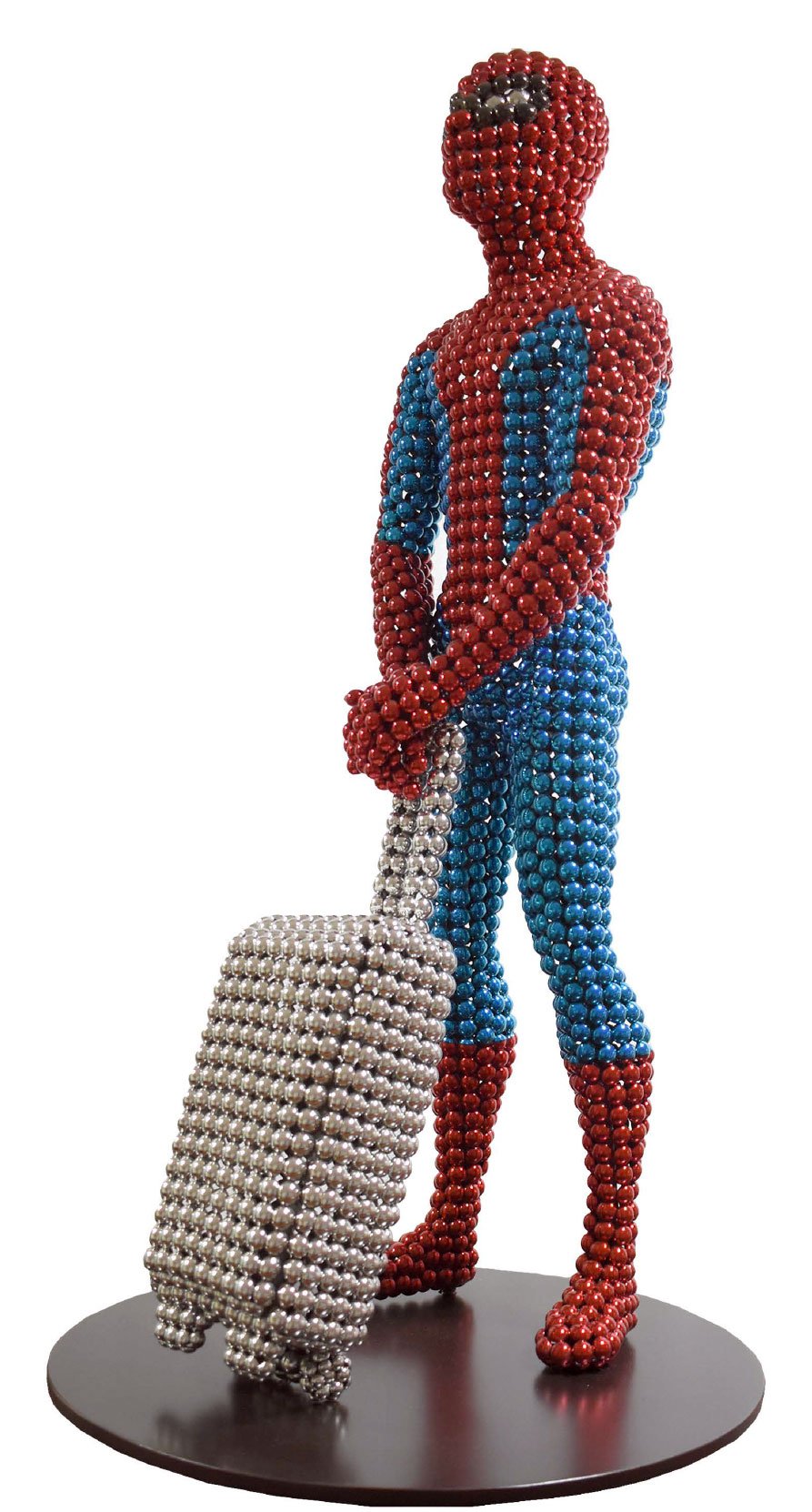
Styles and Themes in Contemporary Indian Art
One of the most exciting aspects of contemporary artworks from India is its diversity.
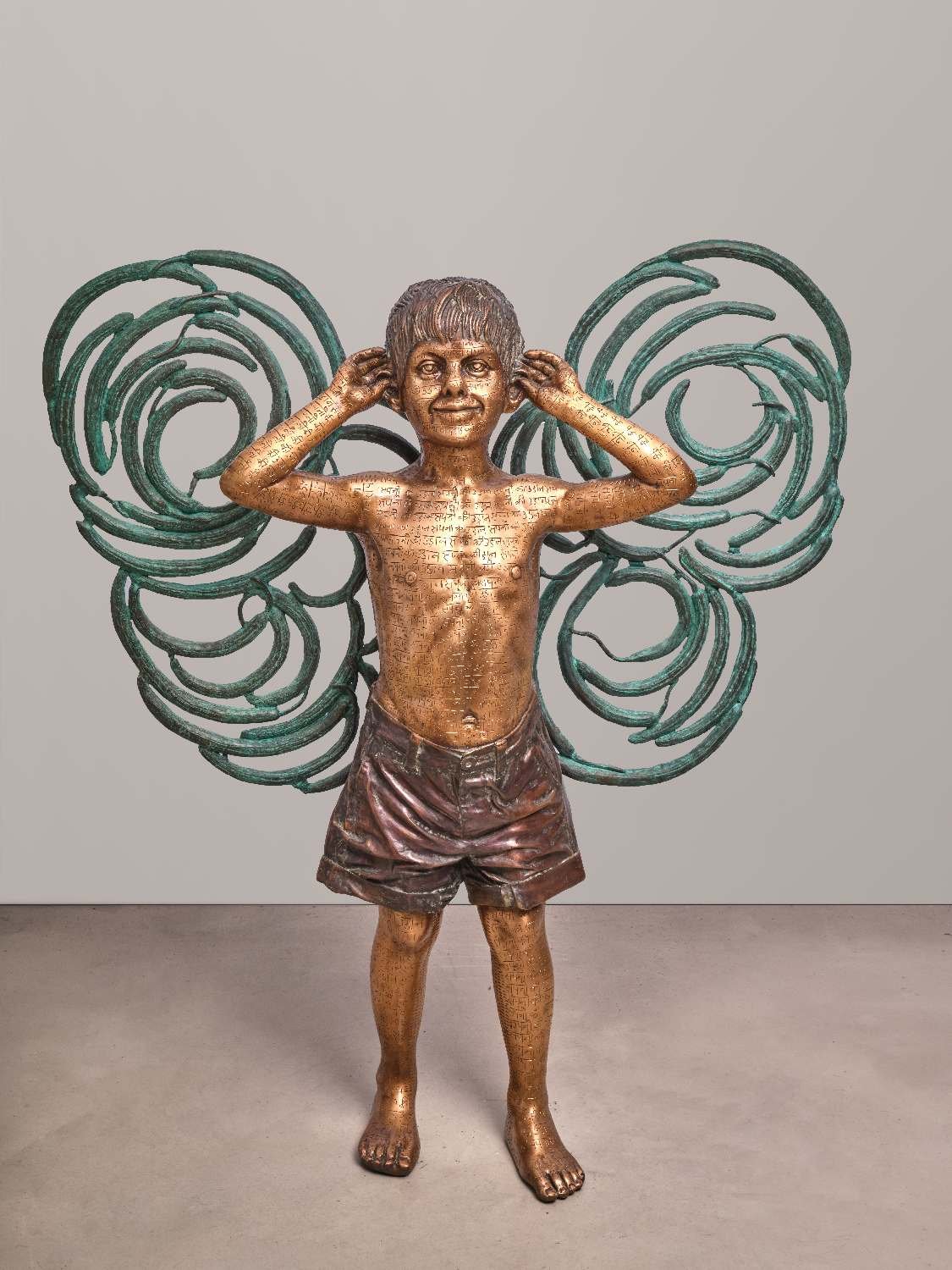
Figurative Art
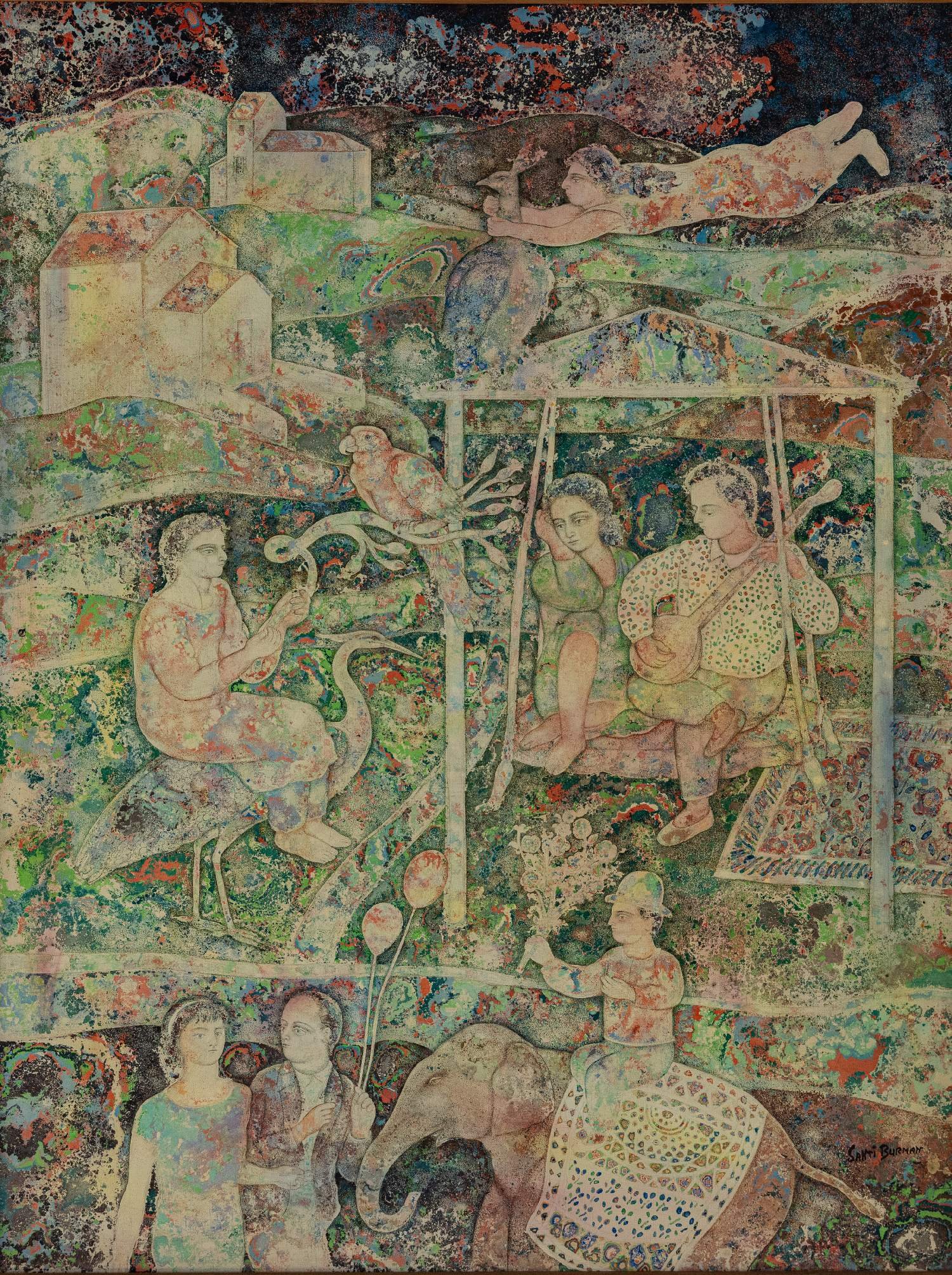
Figurative artists use the human figure, portraiture, relationships, and everyday life as subjects for exploring broader ideas about society and human experience.
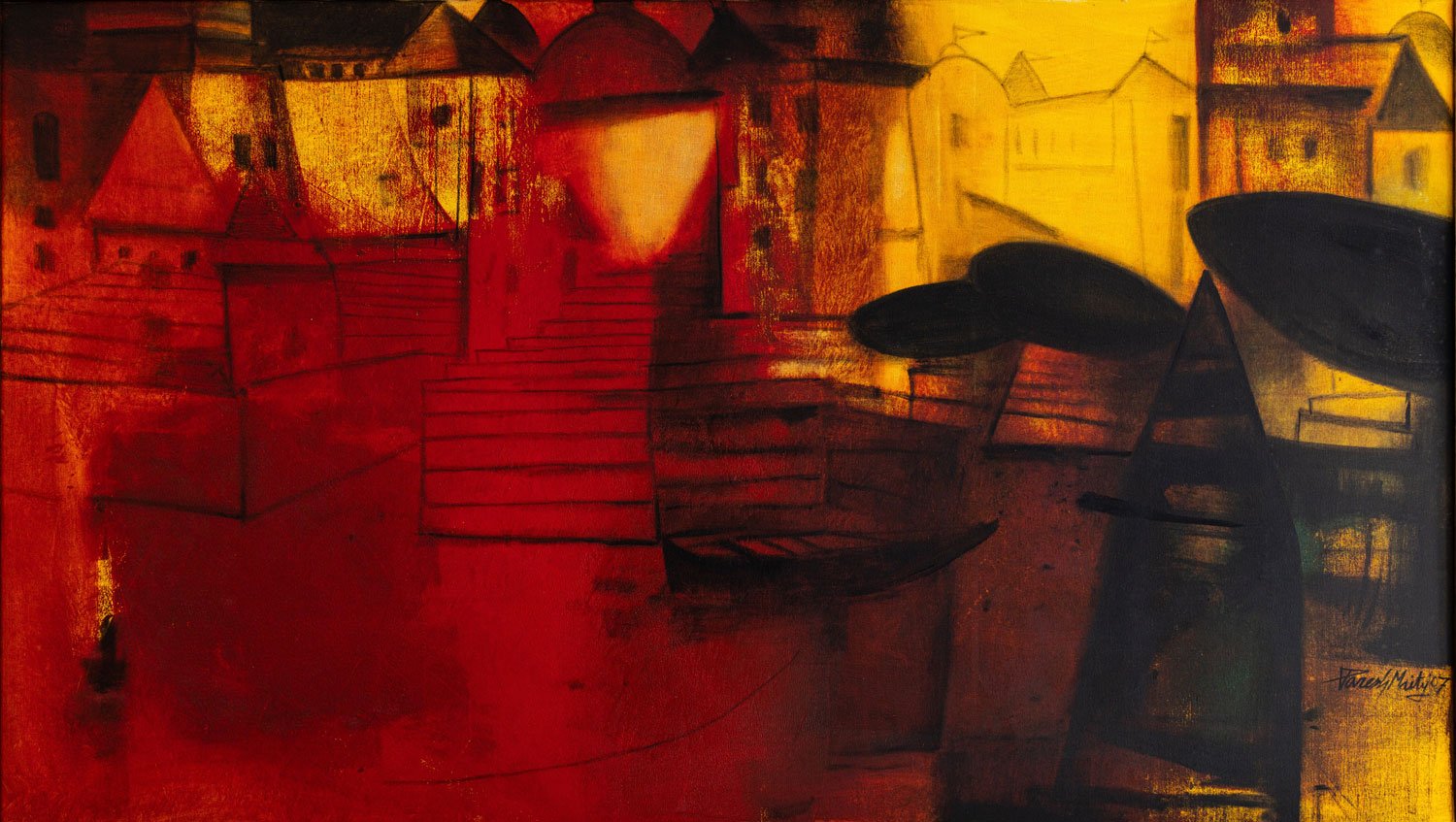
Abstract Art
Abstract contemporary art may focus on colour, geometry, texture, movement, gesture, and composition rather than representing recognizable subjects.

Narrative and Storytelling
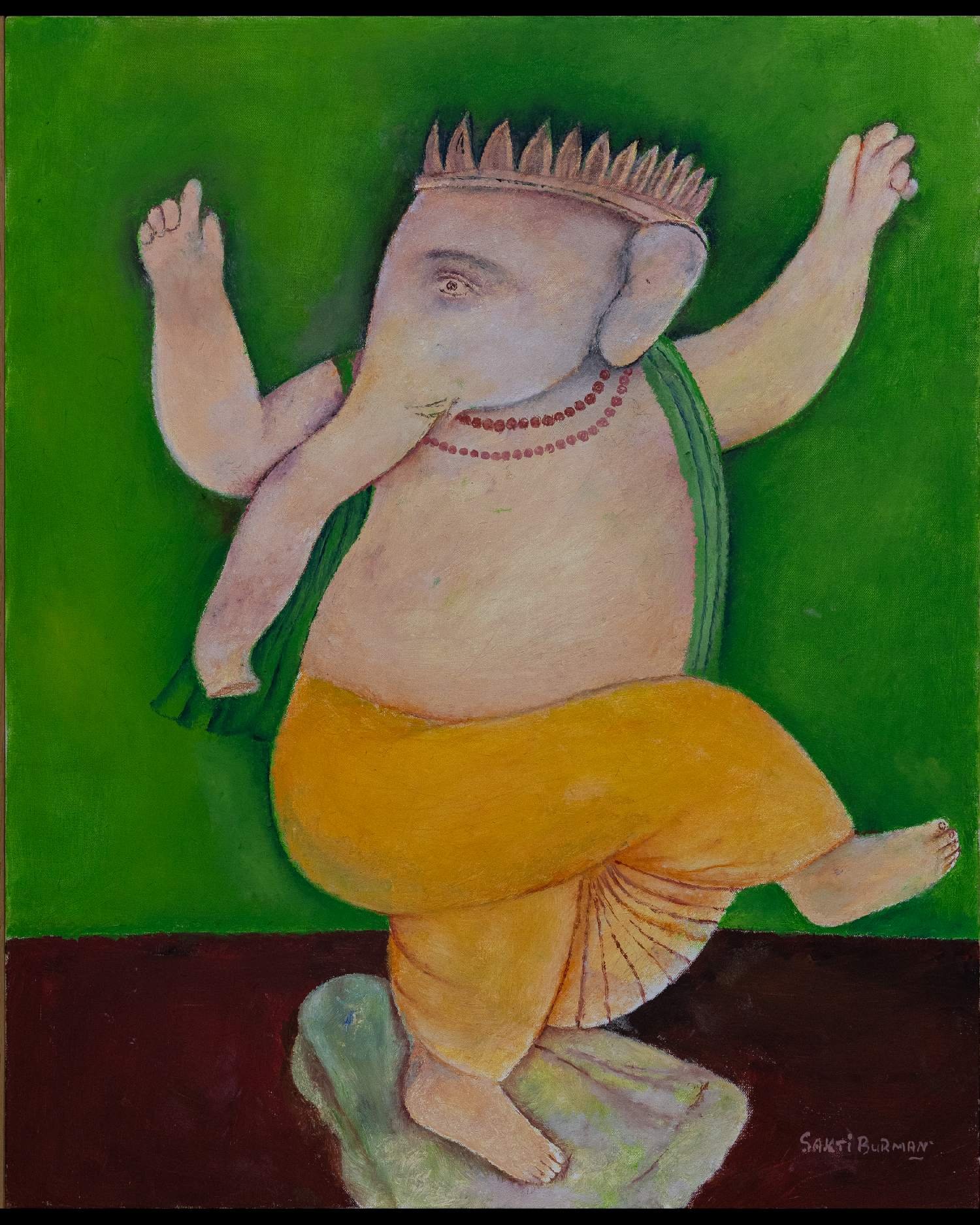
Many Indian artists use visual storytelling to explore mythology, memories, personal experiences, cultural history, and contemporary society.
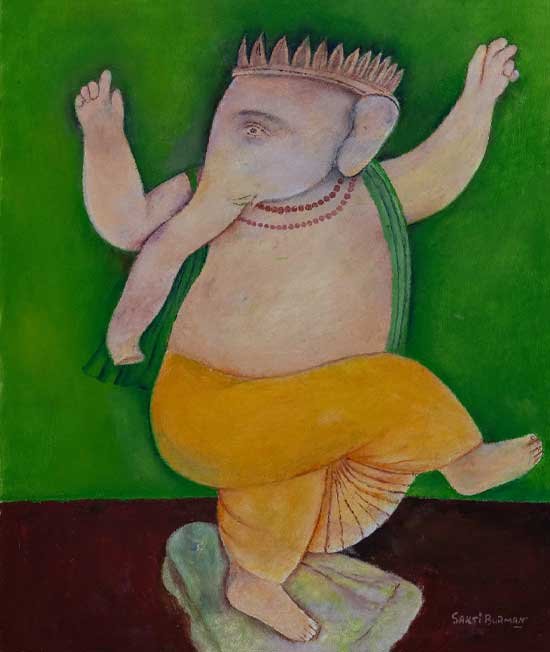
Mythology and Tradition
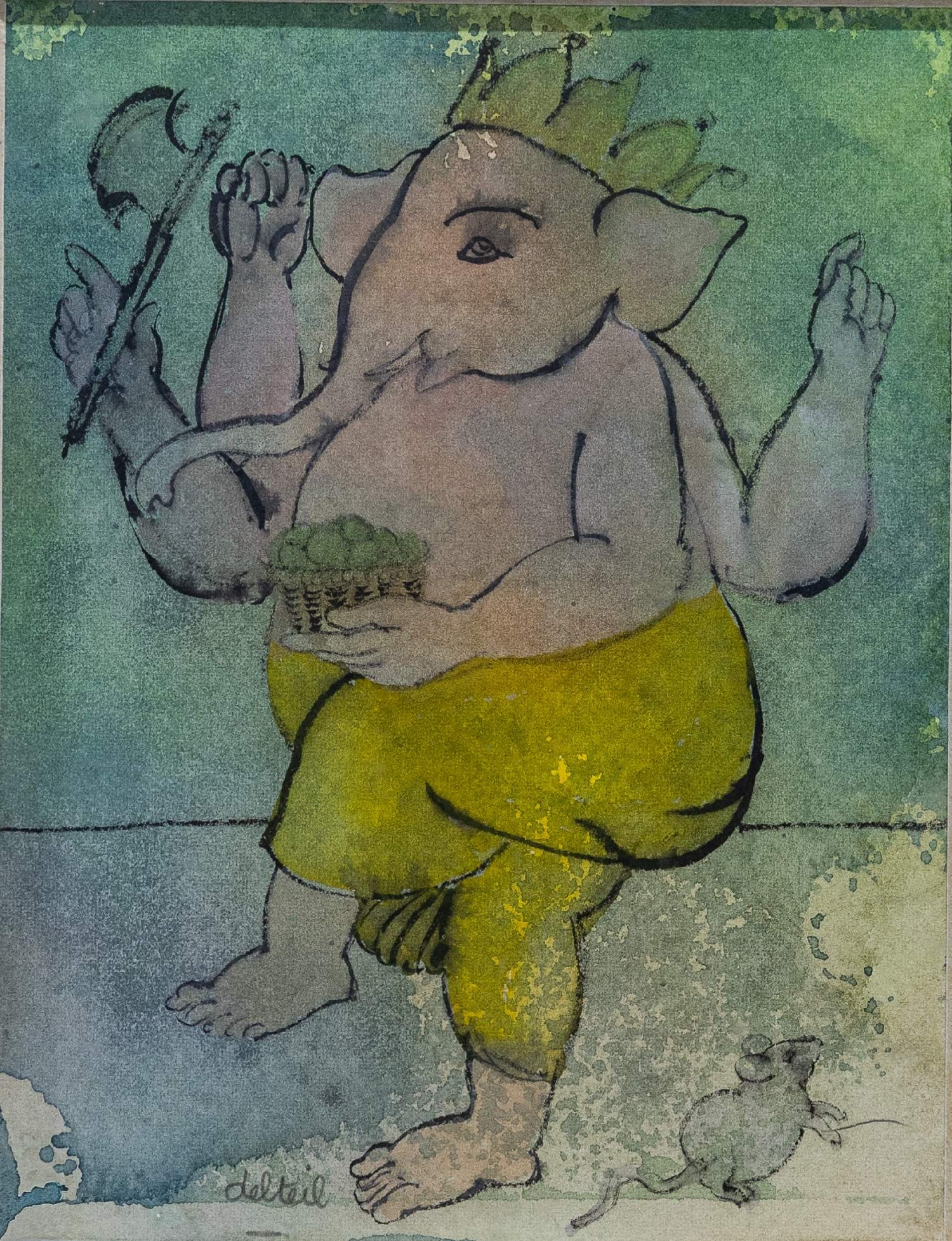
Indian mythology, religious imagery, folk traditions, and cultural symbols continue to inspire contemporary artists. Rather than simply reproducing traditional imagery, artists frequently reinterpret these subjects through a contemporary perspective.
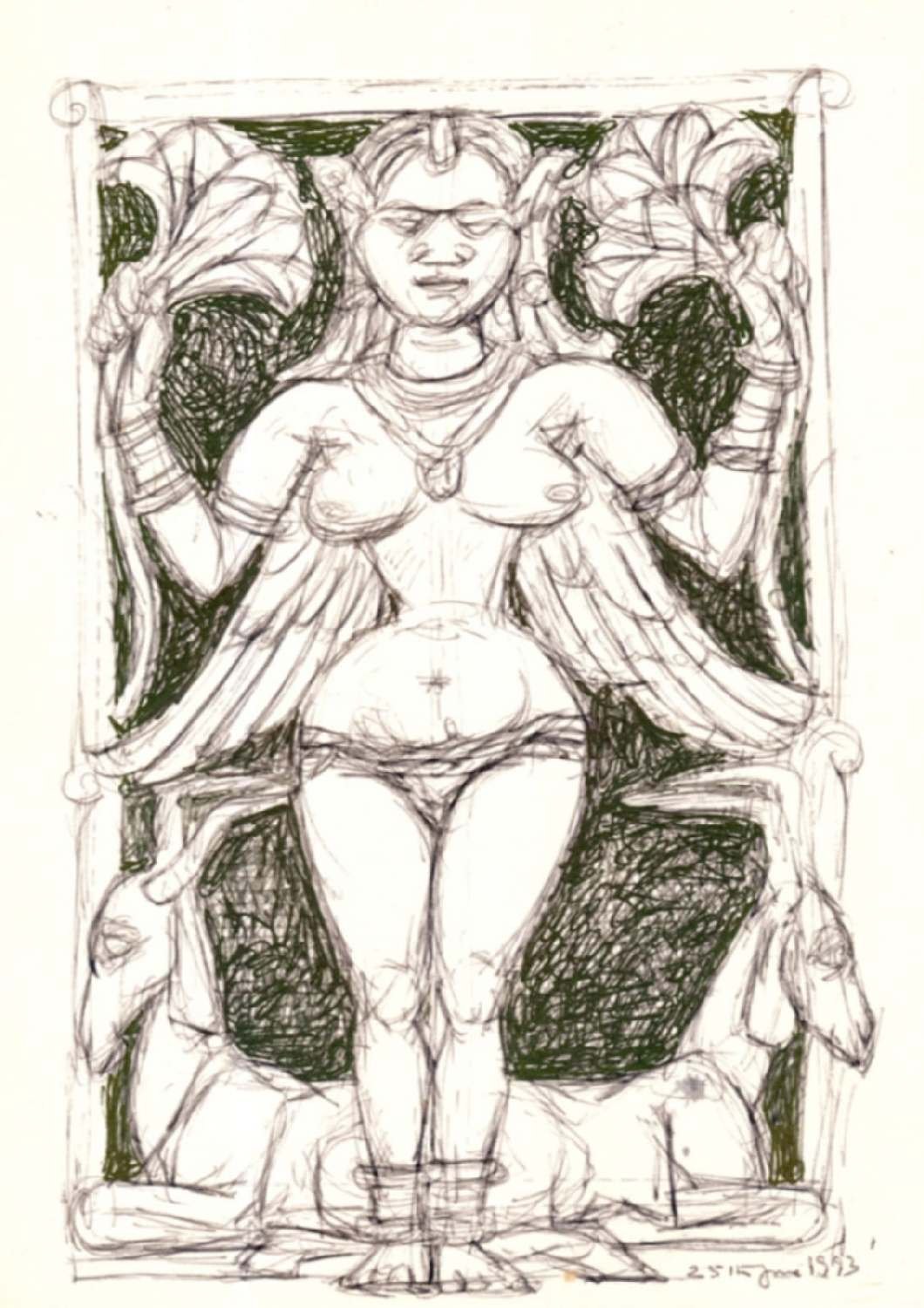
Identity and Society
Questions surrounding identity, gender, community, migration, urbanisation, politics, and social change are increasingly explored through contemporary artistic practices.
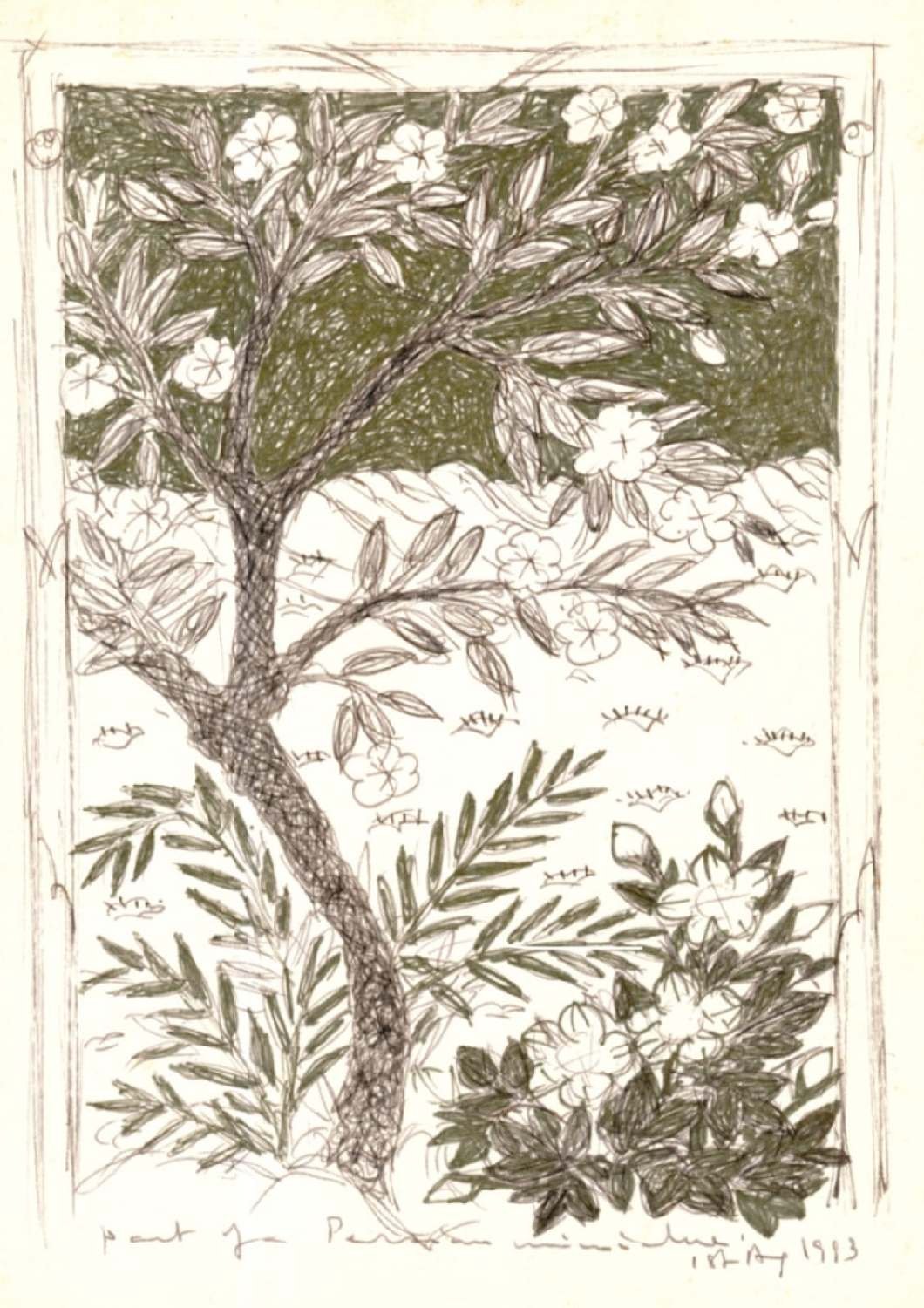
Nature and Environment
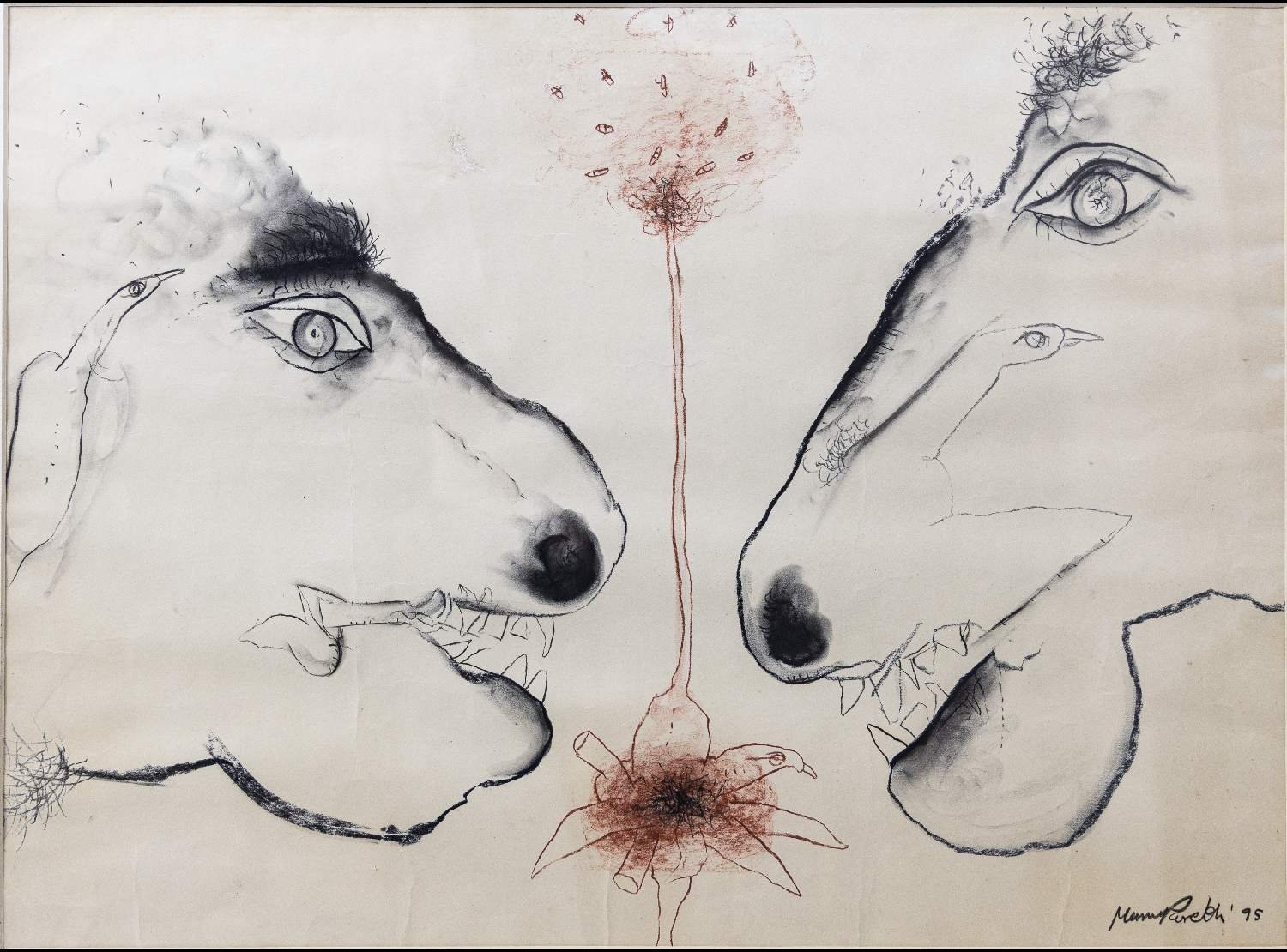
Nature, ecological change, landscapes, animals, and the relationship between humans and the environment are recurring subjects in contemporary artworks.
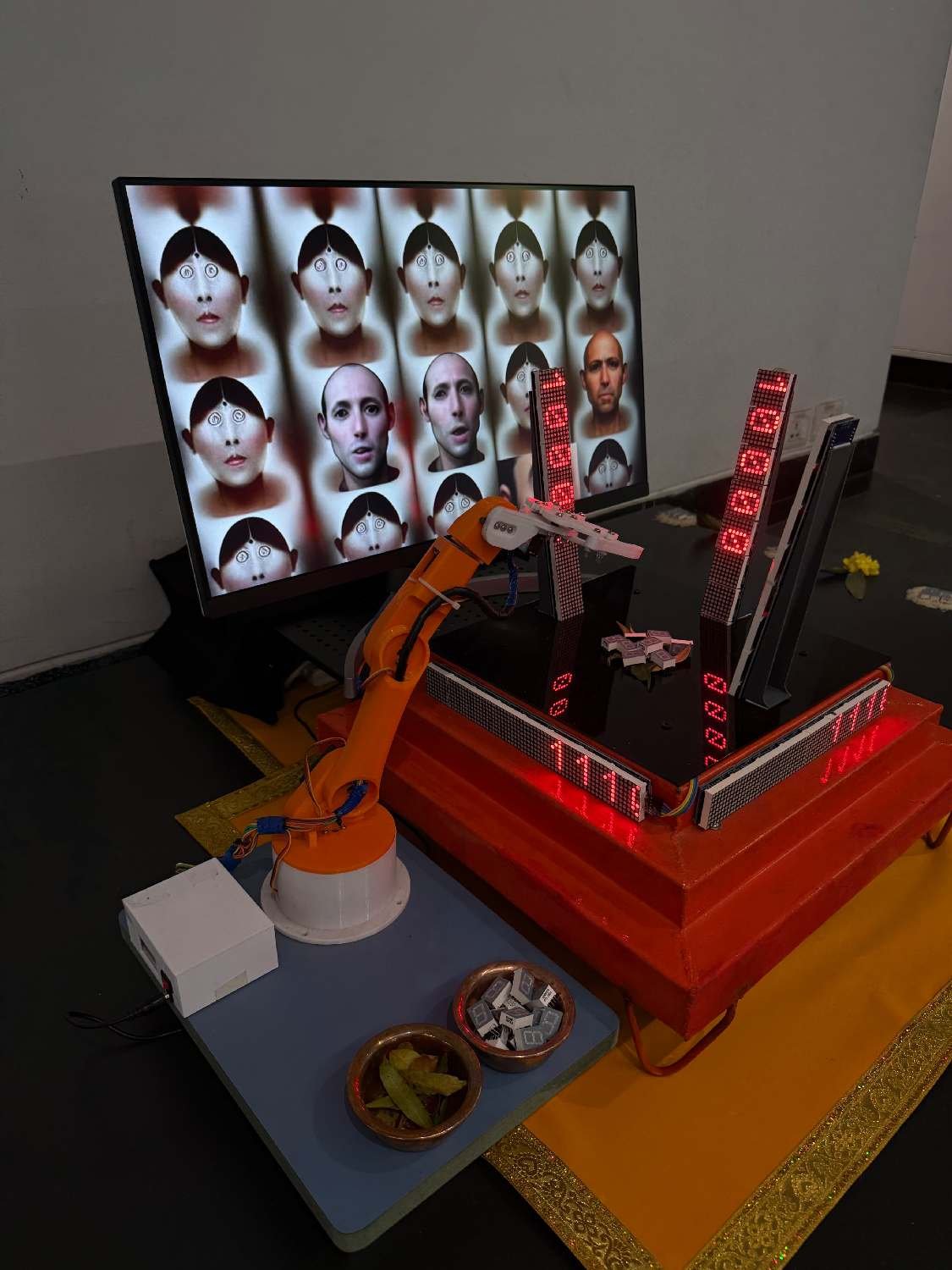
Technology and New Media
Digital technology and artificial intelligence are also creating new possibilities for Indian artists, expanding the boundaries between traditional art practices and emerging forms of creative expression.
Why Collect Contemporary Indian Art?
Collecting contemporary Indian arts is not simply about acquiring something beautiful for a wall.
For many collectors, an artwork represents an idea, an experience, a cultural connection, or an artist's unique perspective.
Contemporary art can also provide an opportunity to discover artists at different stages of their careers. Established artists may have significant exhibition and institutional histories, while emerging artists can introduce new ideas and perspectives to a collection.
The most important consideration, however, should always be the artwork itself.
A strong collection is built around works that a collector genuinely responds to and wants to live with.
At Tara Art, we believe collecting should be an informed and personal experience rather than simply a transaction.

How to Buy Contemporary Indian Art
Buying contemporary Indian works for the first time can feel overwhelming because there are thousands of artists, styles, mediums, and price points to consider.
A useful starting point is to understand your own preferences.
1. Explore Different Artists
Spend time looking at the work of different contemporary Indian artists. Notice which artists, subjects, colours, techniques, or ideas consistently attract your attention.
2. Understand the Artist's Practice
An artwork becomes more meaningful when you understand the artist behind it.
Look at the artist's education, exhibitions, influences, artistic development, and the ideas that inform their work.
3. Consider the Artwork
Look beyond the name of the artist.
Consider the composition, medium, scale, technique, subject, condition, provenance, and the overall significance of the particular work.
4. Think About Your Collection
Consider how a new artwork relates to the pieces you already own.
A collection does not need to follow a single style. In fact, different artistic voices can make a collection more interesting.
5. Seek Professional Advice
If you are uncertain about an artwork or artist, professional art advisory can help you understand the work and make a more informed decision.
Tara Art provides guidance to collectors looking to discover and acquire contemporary Indian art.
Contemporary Indian Art for Collectors
A contemporary art collection can develop gradually.
You do not need to begin with a large investment or a famous artist. Many collectors start by identifying a particular artistic style, theme, medium, or generation of artists that interests them.
As your understanding develops, your collection can evolve with it.
Some collectors focus on established artists with significant institutional histories. Others are interested in discovering emerging Indian artists whose practices are developing rapidly.
There is no single correct way to collect.
The best collections often reflect the personality, interests, memories, and curiosity of the collector.
Emerging Contemporary Indian Artists
India's contemporary art scene continues to introduce new artistic voices.
Emerging artists are particularly interesting because their practices can reflect new cultural experiences, technologies, social changes, and perspectives that may not have been explored by earlier generations.
At Tara Art, we follow developments across India's contemporary art landscape and identify artists whose work deserves greater attention.
Our editorial coverage of emerging Indian artists provides collectors with a starting point for discovering artists to watch.
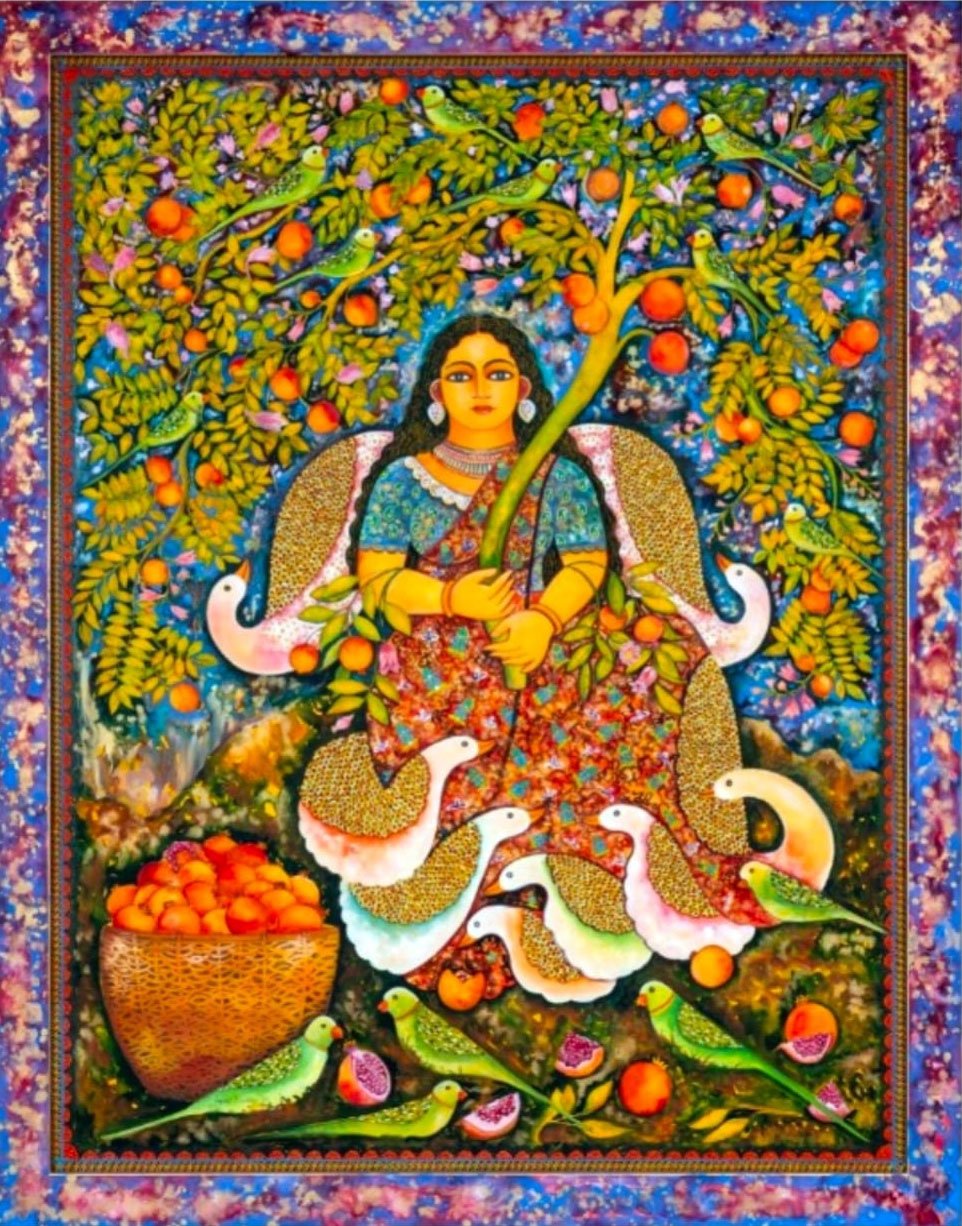
Contemporary Indian Art and the Global Art World
Contemporary Indian artists increasingly participate in exhibitions, biennales, residencies, museums, galleries, and art fairs around the world.
This international exposure has helped broaden awareness of Indian artistic practices and introduced collectors globally to the diversity of contemporary art being produced in India.
Yet contemporary artworks should not be viewed simply through an international lens.
Its strength comes from the ability of artists to engage with local histories and experiences while participating in a global artistic dialogue.
This combination of local specificity and international relevance is one reason contemporary Indian art continues to attract attention from collectors and institutions.
Modern Indian Art vs Contemporary Indian Art
Modern Indian art and contemporary Indian art are related but distinct categories.
Modern Indian art generally refers to earlier generations of artists associated with the development of modernism in India, particularly artists who were active during the twentieth century.
Contemporary artworks from India generally refers to artists working in the present era and responding to contemporary ideas, experiences, technologies, and social conditions.
The distinction is not always absolute. Contemporary artists frequently engage with modern Indian artists, historical traditions, and earlier artistic movements.
Understanding this relationship can help new collectors develop a broader appreciation of Indian art.

Why Choose Tara Art?
Choosing an artwork is a personal decision, and the quality of the curation matters.
Tara Art brings together contemporary Indian artists and artworks through a carefully considered approach focused on artistic quality, originality, and the stories behind the work.
We aim to make discovering Indian art more accessible while maintaining the depth and context that serious collectors expect.
Our approach combines:
- Curated contemporary Indian artworks
- Profiles of established and emerging artists
- Artist-focused research and editorial content
- Guidance for collectors and first-time buyers
- Art advisory and private sales
- A focus on original Indian art
- Access to contemporary artistic practices from across India
Rather than treating art simply as a product, Tara Art aims to create a meaningful connection between artist, artwork, and collector.
Connect with TARA and start your journey.
Explore Contemporary Indian Art
Whether you are an experienced collector, an interior designer looking for a statement artwork, an institution building a collection, or someone purchasing original Indian art for the first time, contemporary Indian art offers an extraordinary range of possibilities.
Explore the artists represented by Tara Art, learn about their practices, discover available artworks, and take the time to find work that resonates with you.
Frequently Asked Questions About Contemporary Indian Art
Discover the Contemporary Art of India
Contemporary Indian art is not defined by one style, one generation, or one idea.
It is an evolving landscape of artists interpreting a rapidly changing India and connecting their experiences with a wider global conversation.
At Tara Art, we invite you to explore that landscape through the artists and artworks we represent.
Discover contemporary Indian art. Find an artist whose work speaks to you. Build a collection that tells your story.